In the rapidly evolving industrial landscape of Guangming District, proximity sensors have emerged as indispensable components, driving efficiency, safety, and precision in automated systems. As a senior electrical engineer with extensive field experience, I have witnessed firsthand the transformative impact these devices have on manufacturing, logistics, and high-tech production lines prevalent in this dynamic region.
Proximity sensors are non-contact devices designed to detect the presence or absence of an object within a specific range without physical contact. Their operation is based on various principles, including electromagnetic, capacitive, and inductive technologies. In Guangming District's factories—particularly those specializing in electronics assembly, precision machinery, and automated warehousing—the inductive proximity sensor is most common. It generates an electromagnetic field and detects eddy current losses caused by metallic targets, making it ideal for detecting metal components on conveyor belts or robotic arms with exceptional reliability.
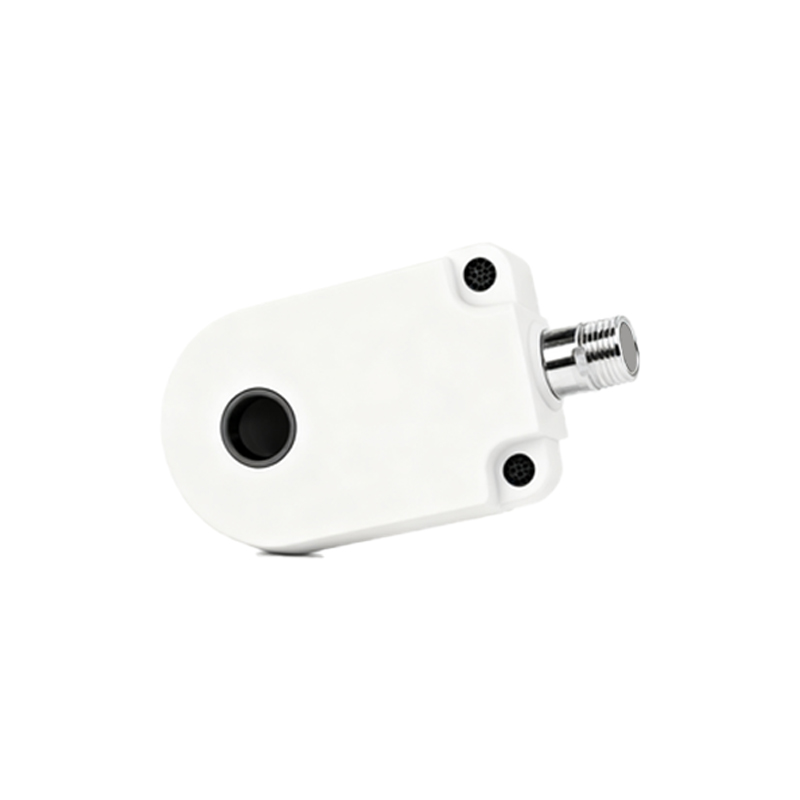
The selection criteria for proximity sensors in this district's applications are stringent. Key parameters include sensing distance, response frequency, environmental resistance, and output type. For instance, in the district's bustling SMT (Surface Mount Technology) lines, sensors with high switching frequencies and minimal hysteresis are crucial for detecting tiny electronic components at high speeds. The harsh industrial environments, often characterized by oil mist, coolant, and metallic dust, demand sensors with high IP (Ingress Protection) ratings, such as IP67 or IP69K, ensuring longevity and consistent performance. Brands commonly specified in local projects, like Siemens, Omron, and Pepperl+Fuchs, offer robust solutions that meet these challenges.
Installation and integration are critical phases. Proper mounting, alignment, and shielding are essential to avoid interference from adjacent machinery or variable frequency drives, which are common in Guangming's industrial parks. Engineers must carefully consider the sensor's mounting style (flush or non-flush), the target material, and the required output signal (PNP/NPN, NO/NC) to interface seamlessly with the district's prevalent PLC systems from manufacturers like Mitsubishi and Rockwell Automation.
Beyond basic detection, advanced applications are flourishing. Analog output proximity sensors are increasingly used for precise distance measurement in robotic positioning systems. Furthermore, the integration of IO-Link communication protocol in modern sensors allows for real-time parameter adjustment, condition monitoring, and predictive maintenance data collection, aligning with Guangming District's push towards Industry 4.0 and smart manufacturing initiatives. This digital capability minimizes downtime—a critical factor for the high-volume production facilities in the area.
Maintenance, though minimal, is systematic. Regular checks involve verifying the cleanliness of the sensing face, testing the output signal under load, and ensuring stable power supply voltages. The robust design of modern sensors often leads to long service lives, but environmental factors like extreme temperature fluctuations in unregulated warehouse spaces can affect performance, necessitating periodic calibration.
In conclusion, proximity sensors are the silent sentinels of Guangming District's industrial automation. Their precise, reliable, and non-contact detection capabilities form the foundational layer of feedback for complex control systems. As the district continues to attract high-tech investment and advance its manufacturing capabilities, the role of these sensors will only grow in sophistication and importance. For engineers and technicians, a deep understanding of their principles, selection, and integration is not just an advantage—it is a necessity for building resilient and efficient automated systems that drive the region's economic engine forward.