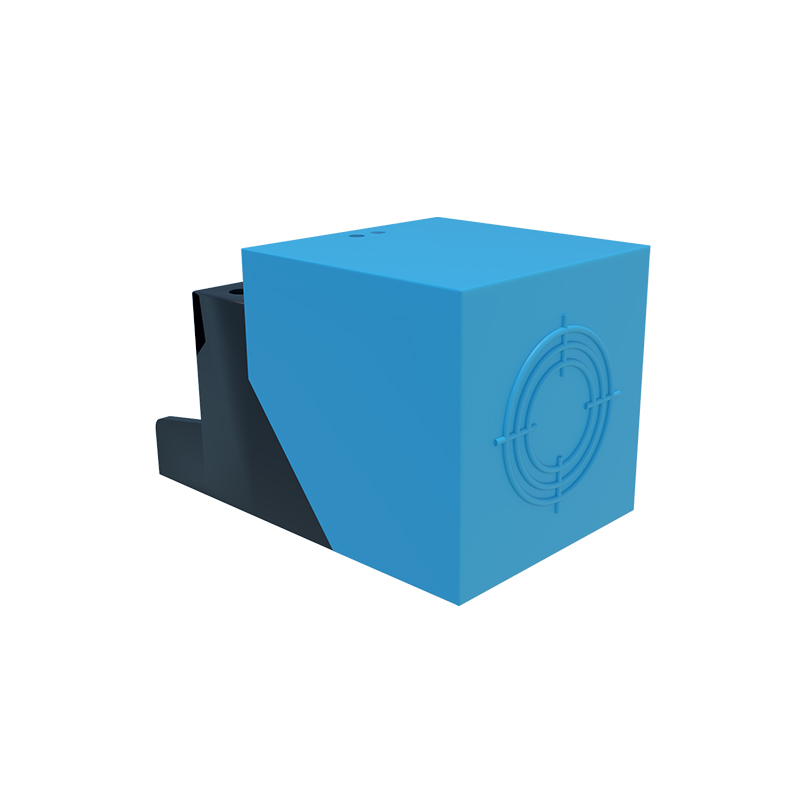
In industrial automation and harsh environment applications, capacitive proximity sensors have emerged as critical components for non-contact detection, especially in high-temperature scenarios where traditional sensors fail. Unlike inductive or photoelectric sensors, capacitive variants detect both metallic and non-metallic objects by measuring changes in capacitance between the sensor's electrode and the target. This article delves into the engineering principles, design challenges, and practical implementations of high-temperature capacitive proximity sensors, tailored for engineers and technical decision-makers in the electrical and automation sectors.
The core operating principle of a capacitive proximity sensor revolves around an oscillating circuit that includes a sensing electrode. When an object enters the sensor's electric field, it alters the dielectric constant, thereby changing the capacitance. This shift triggers a threshold circuit, generating an output signal. High-temperature variants are engineered to maintain stability in environments exceeding 100°C, often up to 200°C or higher, through specialized materials and thermal management. Key design considerations include the use of temperature-resistant ceramics for the electrode, high-temperature stable dielectrics, and robust housing materials like PEEK (Polyether Ether Ketone) or stainless steel. Additionally, signal conditioning circuits are optimized to compensate for thermal drift, ensuring consistent detection ranges and response times despite temperature fluctuations.
One of the primary challenges in high-temperature capacitive sensor design is mitigating false triggers caused by environmental factors such as humidity, dust, or conductive contaminants. Advanced models incorporate shielding techniques and adaptive algorithms to filter out noise, enhancing reliability in demanding settings like foundries, glass manufacturing, or automotive paint shops. For instance, in metal casting processes, these sensors can detect molten material levels or component positioning without physical contact, reducing wear and maintenance costs. Similarly, in food processing ovens, they enable precise monitoring of non-metallic items like plastic trays or ceramic containers, where optical sensors might be obscured by steam or grease.
When selecting a high-temperature capacitive proximity sensor, engineers must evaluate parameters such as sensing distance (typically 2-20 mm for high-temperature models), temperature rating, response frequency, and output type (e.g., PNP/NPN or analog). Installation practices also play a crucial role; sensors should be mounted away from direct heat sources or cooling vents to minimize thermal shock, and cabling must use high-temperature-resistant insulation like Teflon. Regular calibration is recommended, as prolonged exposure to extreme heat can gradually affect sensitivity.
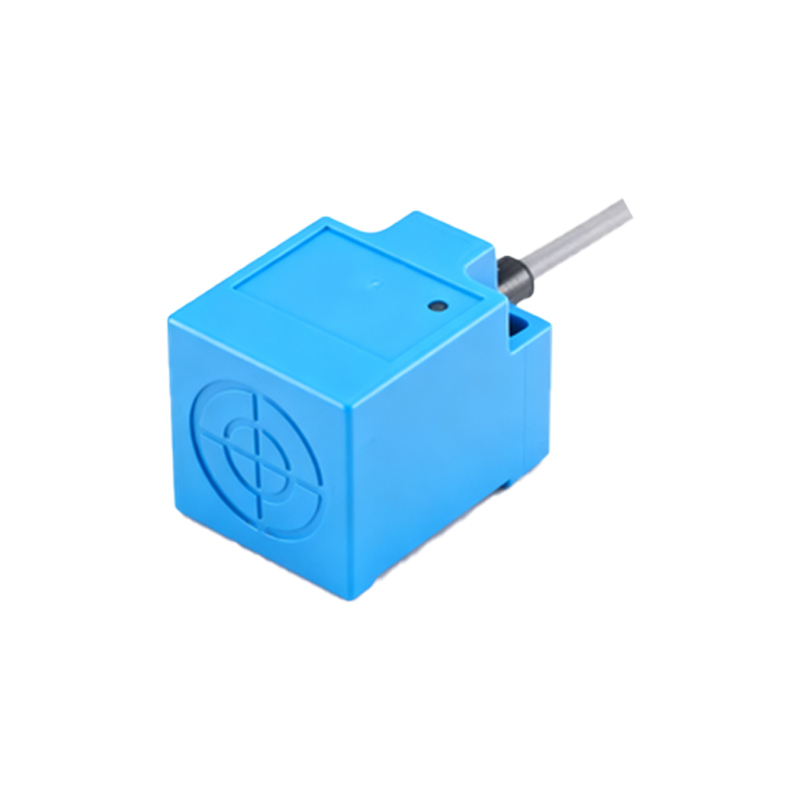
Looking ahead, innovations in nanotechnology and IoT integration are pushing the boundaries of high-temperature capacitive sensing. Smart sensors with embedded diagnostics and wireless connectivity allow for predictive maintenance, reducing downtime in critical industrial processes. As industries increasingly adopt automation in extreme conditions, the demand for robust, high-performance capacitive proximity sensors is set to grow, driving further research into materials science and electronic resilience.
In summary, high-temperature capacitive proximity sensors represent a fusion of precision engineering and material innovation, offering versatile solutions for non-contact detection in hostile environments. By understanding their operational nuances and application-specific requirements, engineers can leverage these sensors to enhance efficiency, safety, and reliability across diverse industrial landscapes.