Material proximity sensors have become indispensable components in modern industrial systems, offering non-contact detection capabilities that significantly enhance automation, efficiency, and workplace safety. This report delves into the core functionalities, prevalent technologies, key applications, and critical selection criteria for these vital electronic devices.
At their essence, material proximity sensors are designed to detect the presence or absence of an object within a specified range without any physical contact. This non-contact operation eliminates mechanical wear and tear, ensuring high reliability and a long operational lifespan. The fundamental principle involves the sensor generating a field or beam and monitoring changes in that field caused by the approach of a target object. The detection triggers an electrical output signal, which is then used to control machinery, initiate processes, or provide status alerts.
Several sensing technologies dominate the industrial landscape, each with distinct advantages and ideal use cases. Inductive proximity sensors are among the most common. They generate an electromagnetic field and are exclusively used to detect metallic objects, primarily ferrous metals like iron and steel. Their robustness, insensitivity to non-metallic contaminants like dust or oil, and high switching frequency make them perfect for metal detection in machine tools, conveyor systems, and robotic arms.
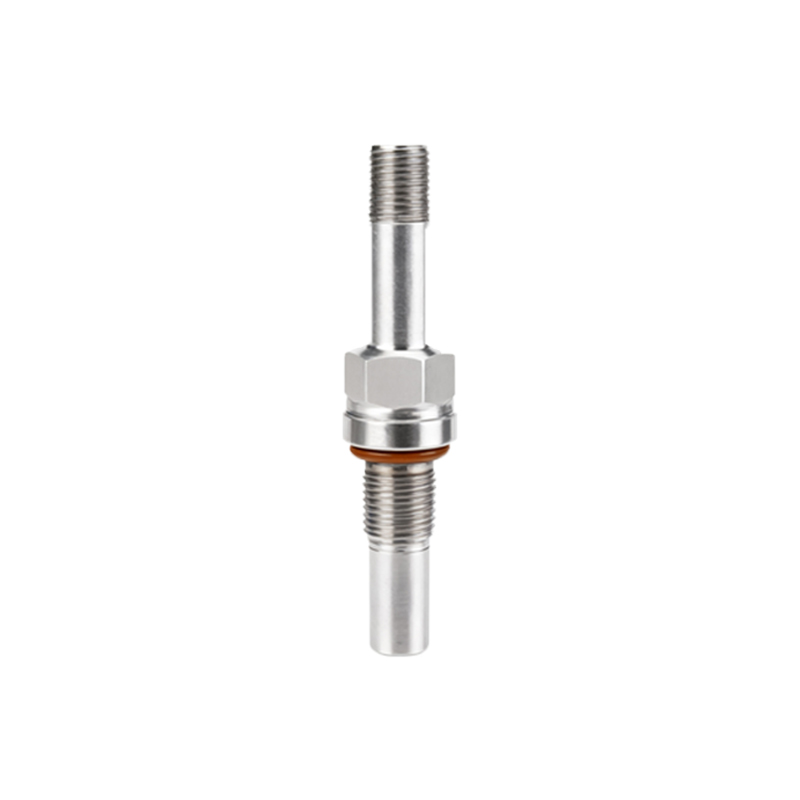
In contrast, capacitive proximity sensors can detect both metallic and non-metallic materials, including liquids, plastics, wood, and granules. They function by measuring changes in capacitance caused by the dielectric properties of a target object entering an electrostatic field. This versatility makes them suitable for level detection in tanks (e.g., monitoring liquid or powder levels), material handling of non-metallic products, and presence detection of glass or plastic containers.
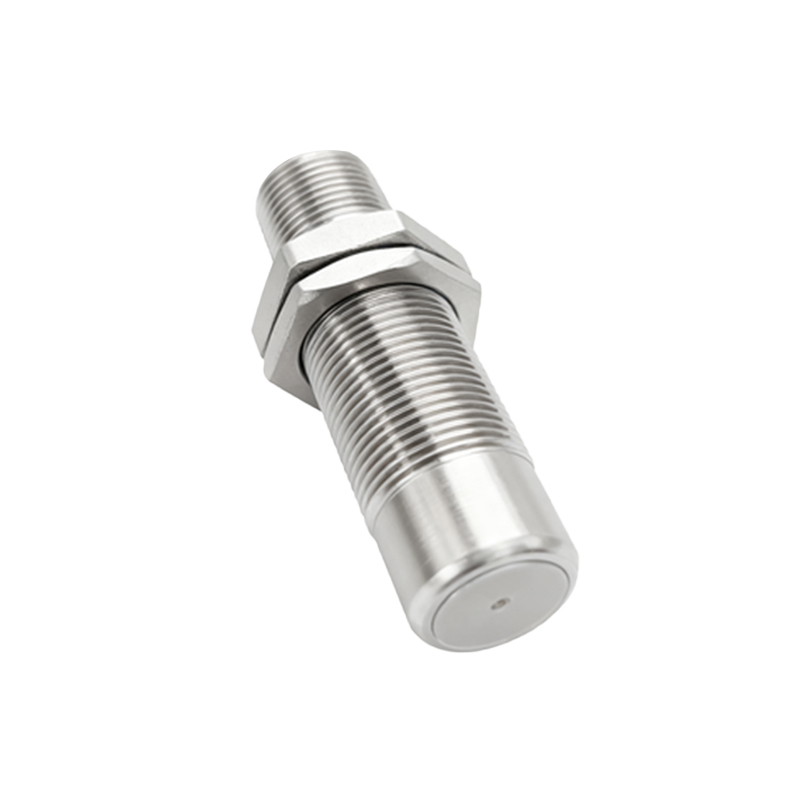
Ultrasonic sensors employ sound waves beyond the human hearing range. They measure the time taken for an emitted sound pulse to reflect off a target and return to the sensor. This technology is effective for detecting objects of virtually any material, shape, or color, and is particularly valuable for measuring distance, controlling loop, and detecting transparent objects that may challenge optical sensors. Applications include palletizing, collision avoidance on AGVs (Automated Guided Vehicles), and bulk material level sensing.
Photoelectric sensors, which use a light beam (visible, infrared, or laser), are another major category. They are excellent for long-range detection and can sense extremely small objects. Variations include through-beam (separate emitter and receiver), retro-reflective (bounces light off a reflector), and diffuse (reflects light off the target itself) models. They are widely used in packaging, material handling, and assembly line counting.
The applications for material proximity sensors are vast and critical across numerous sectors. In manufacturing and assembly, they provide precise positioning for robotic welding, confirm part placement, and count products on high-speed lines. In material handling and logistics, they ensure proper positioning on conveyors, control automated storage and retrieval systems (AS/RS), and manage warehouse automation. For safety, they serve as non-contact interlock devices on machine guards, ensuring dangerous machinery only operates when protective doors are securely closed, directly protecting personnel.
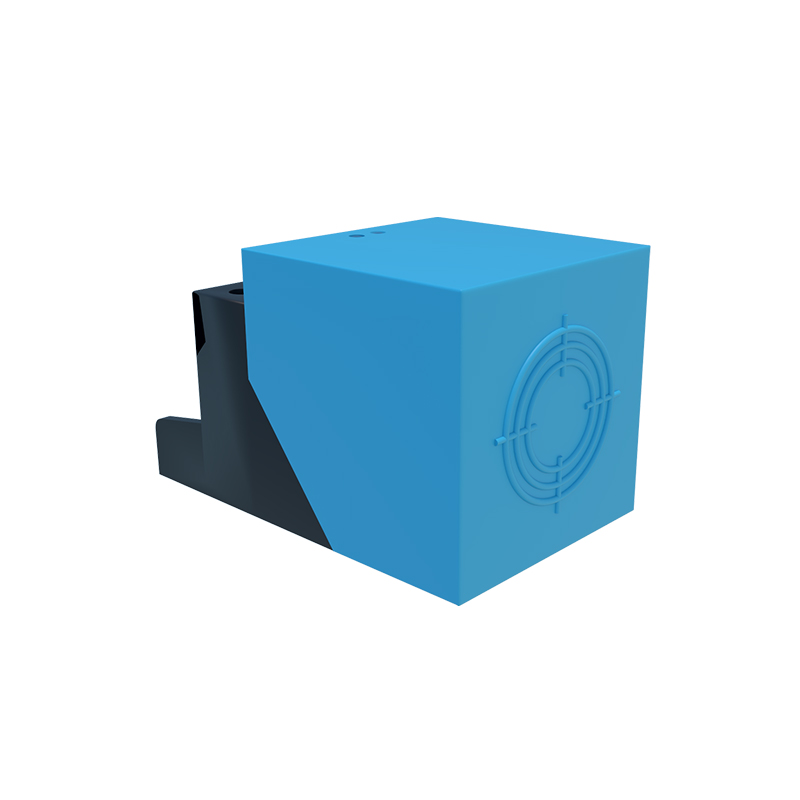
When selecting a material proximity sensor for a specific application, several factors must be meticulously evaluated. The nature of the target material (metal, plastic, liquid) is the primary determinant for choosing between inductive, capacitive, or other technologies. The required sensing distance, or range, must be specified, noting that factors like target size and material can affect the effective range. The operating environment is crucial; sensors may need specific ingress protection (IP) ratings for dust and water resistance, and must withstand temperature extremes, vibration, and potential chemical exposure. Finally, the electrical output type (e.g., NPN, PNP, analog, IO-Link) must be compatible with the existing control system, such as a PLC (Programmable Logic Controller).
In conclusion, material proximity sensors are foundational elements driving the advancement of industrial automation. By enabling reliable, non-contact detection of diverse materials, they optimize processes, reduce downtime, and create safer working environments. A thorough understanding of the different sensor technologies—inductive, capacitive, ultrasonic, and photoelectric—along with a careful analysis of application requirements, is essential for deploying the right sensor solution. As industries continue to evolve towards smarter, more connected operations (Industry 4.0), the role of these sensors will only grow in significance, forming a critical link between the physical and digital worlds of manufacturing.