In industrial settings where flammable gases, vapors, dusts, or fibers are present, the risk of explosion is a constant concern. Equipment used in these hazardous areas must be specifically designed and certified to prevent ignition. Proximity sensors, critical components for detecting the presence or absence of objects without physical contact, are no exception. This article delves into the importance, standards, and key considerations of explosion-proof certification for proximity sensors.
The core principle behind explosion-proof protection is containment. An explosion-proof enclosure for a proximity sensor is designed to withstand an internal explosion of specific flammable substances. It must prevent the transmission of the internal explosion to the external hazardous atmosphere and have an external surface temperature that will not ignite the surrounding gas or dust. This is fundamentally different from intrinsic safety, which focuses on limiting electrical energy to prevent ignition altogether. Explosion-proof (often labeled as "Ex d") is one of several protection methods.
Globally, several standards govern this certification. The most widely recognized are the IECEx (International Electrotechnical Commission Explosive Atmospheres) system and the ATEX (Atmosphères Explosibles) directive in Europe. In North America, the NEC (National Electrical Code) and standards from UL (Underwriters Laboratories) or CSA (Canadian Standards Association) are prevalent, using Class and Division or Zone systems. Key certification markings include:
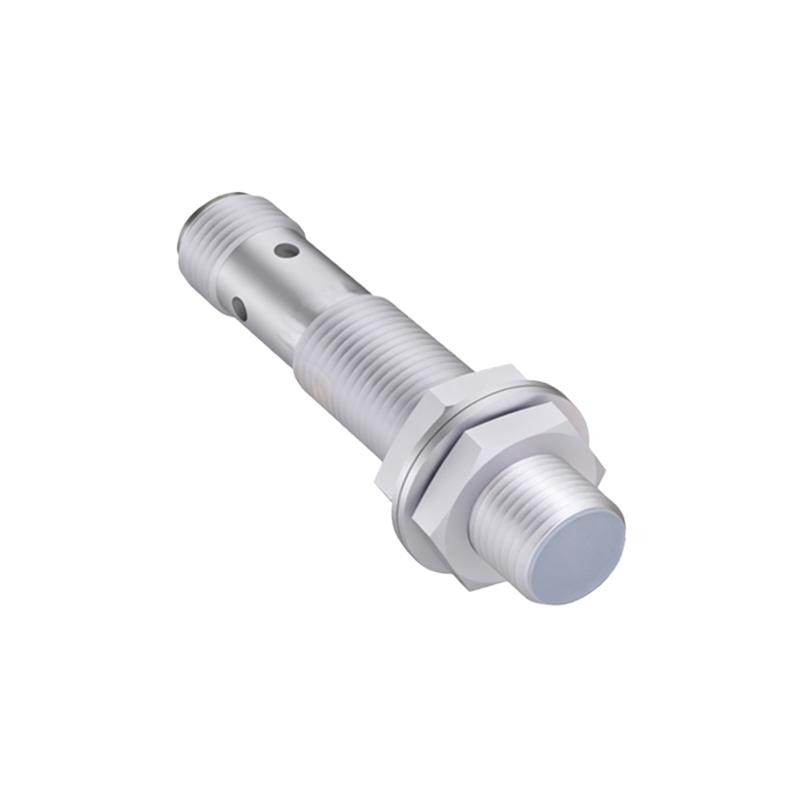
- ATEX: Follows the directive 2014/34/EU. A typical code might be "II 2G Ex db IIC T6 Gb". This indicates equipment group II (surface industry), category 2 (Zone 1), explosion-proof protection (d), gas group IIC (most volatile gases), temperature class T6 (max surface temp 85°C), and equipment protection level Gb.
- IECEx: Provides an international framework, with similar coding to ATEX, such as "Ex db IIC T6 Gb".
- NEC/UL: For Class I, Division 1 or 2, Groups A-D (gases/vapors) or Class II, Division 1 or 2, Groups E-G (dusts). The Zone system (Zone 0, 1, 2 for gases; Zone 20, 21, 22 for dusts) is also used.
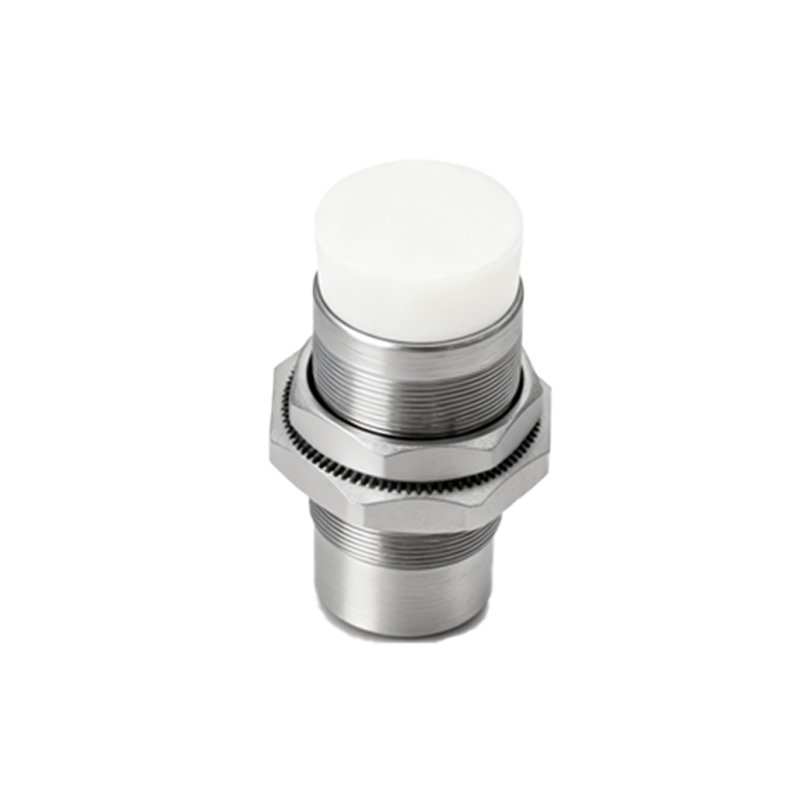
Selecting the correct certified sensor is paramount. Engineers must first perform a thorough area classification to define the Zone or Division and the specific hazardous substances present (e.g., Gas Group IIC for hydrogen). The sensor's temperature class (T1 to T6) must be below the auto-ignition temperature of the specific gas or dust. Environmental factors like corrosion, moisture (IP rating), and mechanical stress also influence the choice of housing material, typically robust metals like stainless steel or brass for explosion-proof enclosures.
Installation and maintenance are critical to maintaining the certification's integrity. The explosion-proof integrity relies heavily on proper installation as per the manufacturer's guidelines and the relevant electrical codes. This includes using correctly rated cable glands and conduits that maintain the seal. Any unauthorized modification, damage to flame paths (the precisely machined joints that cool escaping gases), or use of non-certified replacement parts can completely nullify the explosion protection. Regular inspections for corrosion, integrity of seals, and surface temperature are mandatory.
In conclusion, explosion-proof certification for proximity sensors is not a mere formality but a rigorous engineering discipline essential for safety in oil & gas, chemical, pharmaceutical, mining, and grain handling industries. Understanding the specific certification markings, matching them precisely to the hazardous area classification, and adhering to strict installation practices are non-negotiable steps in mitigating explosion risks and ensuring a safe, compliant operational environment. Always consult the latest standards and certification bodies for the most current requirements.