In the demanding world of industrial automation, reliability is non-negotiable. Equipment must perform consistently under harsh conditions, from exposure to corrosive chemicals and high-pressure washdowns to extreme temperatures and physical impact. This is where stainless steel proximity sensors have become an indispensable component, offering a robust and long-lasting sensing solution that standard plastic or mild steel housings cannot match.
Stainless steel proximity sensors are non-contact electronic devices designed to detect the presence or absence of metallic objects without physical contact. They operate on the principle of electromagnetic field disturbance. The sensor generates an oscillating electromagnetic field from its face. When a conductive metal target enters this field, eddy currents are induced in the target, which dampens the oscillation of the sensor's own circuit. This change is detected by the sensor's circuitry, triggering a solid-state output signal. The key differentiator lies in their construction: the housing, sensing face, and often the entire body are manufactured from grades of stainless steel, most commonly AISI 304 (V2A) or the more corrosion-resistant AISI 316 (V4A).
The advantages of this material choice are profound. First and foremost is exceptional corrosion resistance. Stainless steel sensors excel in environments prone to moisture, humidity, salt spray, and various aggressive agents like weak acids, alkalis, and cleaning solvents. This makes them ideal for food and beverage processing, pharmaceutical manufacturing, chemical plants, and marine applications. Their sealed construction, typically meeting IP67, IP68, or IP69K ratings, ensures they can withstand high-pressure and high-temperature washdown procedures essential for maintaining hygiene standards.
Secondly, stainless steel offers superior mechanical strength and durability. These sensors can resist vibration, shock, and mechanical abrasion that would damage or degrade plastic-bodied sensors. This ruggedness translates to reduced downtime, lower replacement costs, and increased system reliability. Furthermore, the material is inherently resistant to many types of contamination buildup and is easy to clean, a critical factor in sanitary applications.
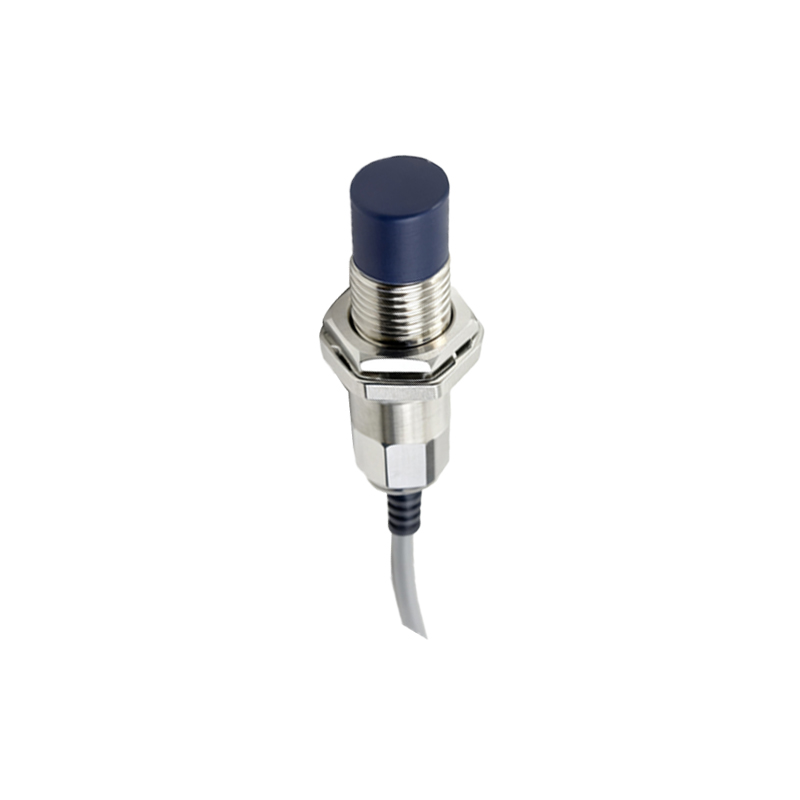
Several types of stainless steel proximity sensors are available to suit specific needs. Inductive sensors are the most common, used for detecting all metals. For applications requiring precise detection of specific metals, such as distinguishing between aluminum and steel, specialized versions like factor-1 sensors are employed. While capacitive sensors (often used for non-metals) can also feature stainless steel housings, the inductive type dominates in metal-detection roles. Form factors include cylindrical barrels (e.g., M8, M12, M18, M30 threaded bodies) and rectangular or block-style designs, with various mounting options like flush, non-flush, and threaded.
Selecting the right stainless steel proximity sensor requires careful consideration of several parameters. The sensing distance, or nominal range, must be appropriate for the application, with a safety margin to account for target variations and installation tolerances. The housing material grade (304 vs. 316) should be matched to the environmental chemicals present. Output configuration (PNP/NPN, NO/NC) must be compatible with the control system's PLC or input card. Operating temperature range is crucial for extreme environments, and the required ingress protection (IP) rating must be verified.
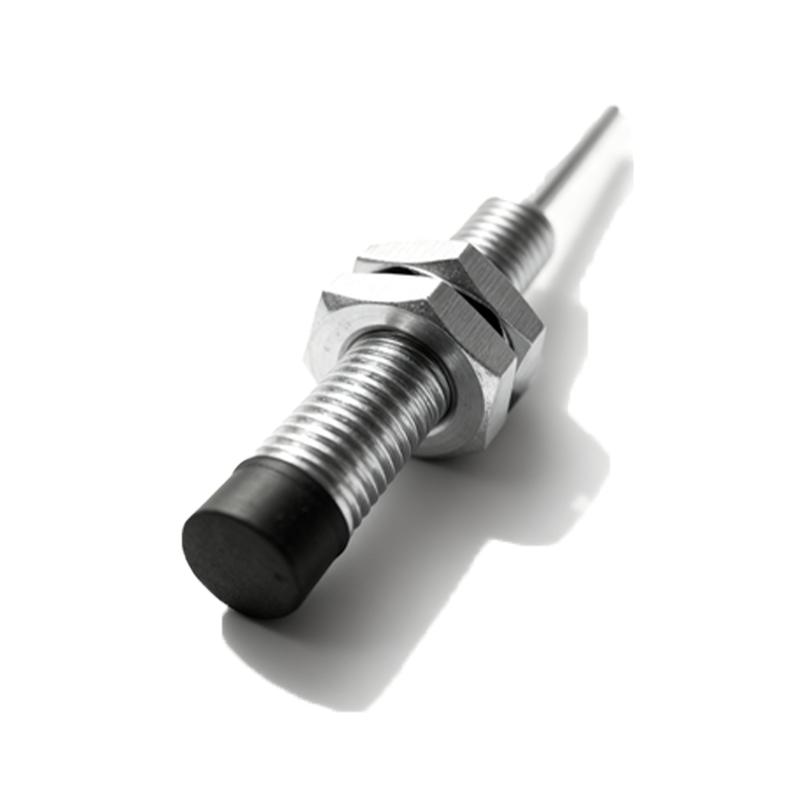
In practice, these sensors are deployed across countless industries. On automated packaging lines, they detect the position of metal components on high-speed conveyors. In machine tools, they provide precise position feedback for tool changers or workpiece clamping. Within food processing machinery, their hygienic design allows them to monitor valve positions or detect metal containers while surviving daily sanitation cycles. In wastewater treatment plants, their corrosion resistance ensures reliable operation despite constant exposure to moisture and chemicals.
Installation and maintenance, while straightforward, demand attention to detail. Sensors should be mounted securely to minimize vibration. For flush-mounted inductive sensors, it is important to ensure they are surrounded by a non-metallic zone to achieve their rated sensing distance. Regular checks should include cleaning the sensing face of any debris or coating buildup that could attenuate the sensing field and verifying the electrical connections for integrity. Their solid-state design means there are no moving parts to wear out, contributing to a long service life.
As Industry 4.0 and smart manufacturing evolve, stainless steel proximity sensors are also advancing. Modern versions integrate IO-Link communication, enabling not just binary detection but also the transmission of diagnostic data like operating temperature, signal strength, and device health to supervisory systems. This facilitates predictive maintenance, reducing unplanned stoppages. The core promise remains unchanged: providing a fundamentally durable, reliable, and maintenance-free sensing point in the toughest industrial environments.
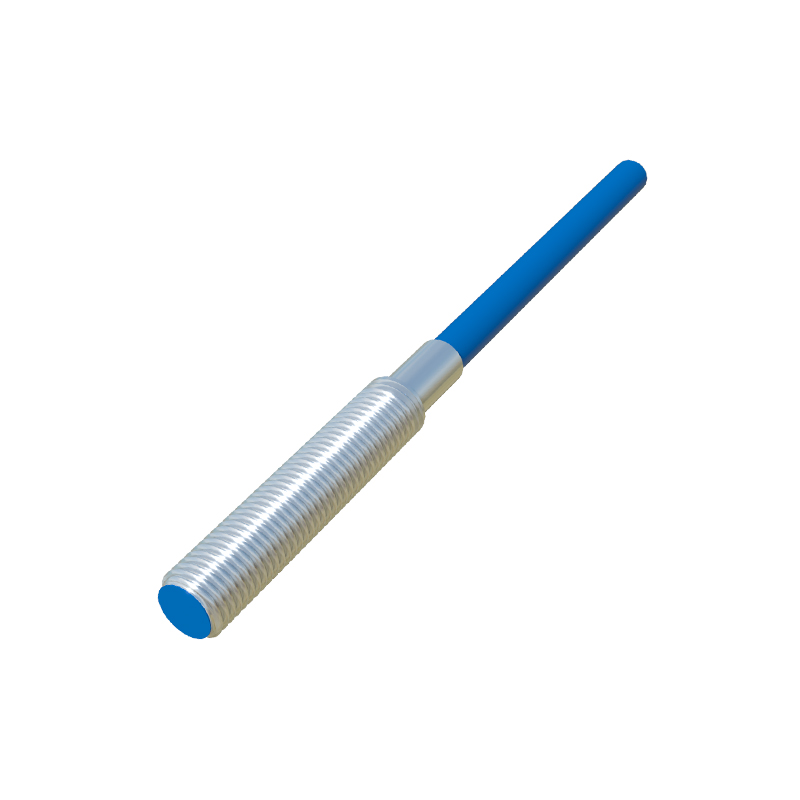
In conclusion, stainless steel proximity sensors represent a critical investment in operational resilience. By choosing a sensor encased in this durable alloy, engineers and plant managers mitigate the risk of sensor failure due to environmental stressors. They are not merely components but guardians of uptime, ensuring that automated processes run smoothly, safely