In the industrial landscape of Shiyan, a city renowned for its automotive and manufacturing prowess, proximity sensors have emerged as indispensable components driving efficiency, safety, and precision. These non-contact detection devices are pivotal in modern automation systems, offering robust solutions for position sensing, object detection, and motion control across diverse applications.
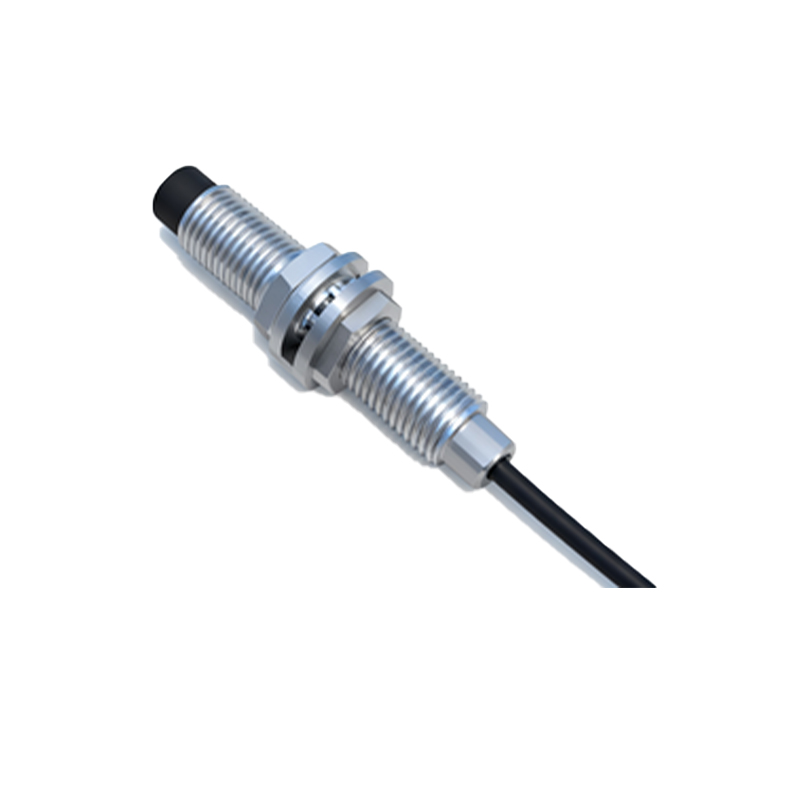
Proximity sensors operate on various principles, including inductive, capacitive, ultrasonic, and magnetic technologies. Inductive sensors, widely utilized in Shiyan's automotive plants, detect metallic objects without physical contact, making them ideal for harsh environments with dust, oil, or moisture. They generate an electromagnetic field, and when a metal target enters this field, it induces eddy currents, causing a change in the sensor's oscillation amplitude. This change triggers an output signal, enabling precise detection of components on assembly lines, such as engine parts or chassis elements. Their durability and resistance to environmental interference ensure minimal downtime, a critical factor in high-volume production settings.
Capacitive proximity sensors, on the other hand, can detect both metallic and non-metallic materials, including liquids, plastics, and wood. This versatility finds applications in Shiyan's packaging, food processing, and material handling industries. By measuring changes in capacitance caused by the presence of an object, these sensors facilitate level detection in silos, conveyor belt monitoring, and quality control checks. Their ability to operate through non-metallic barriers allows for innovative installation options, enhancing flexibility in plant layout.
Ultrasonic sensors use sound waves to detect objects, offering long-range capabilities and immunity to color, transparency, or surface texture. In Shiyan's logistics and warehousing sectors, they enable accurate distance measurement and obstacle detection for automated guided vehicles (AGVs) and robotic systems. Magnetic proximity sensors, often employed in safety-critical applications, detect permanent magnets, ensuring reliable door positioning, valve status monitoring, and machine guarding. Their fail-safe design aligns with Shiyan's emphasis on industrial safety standards.
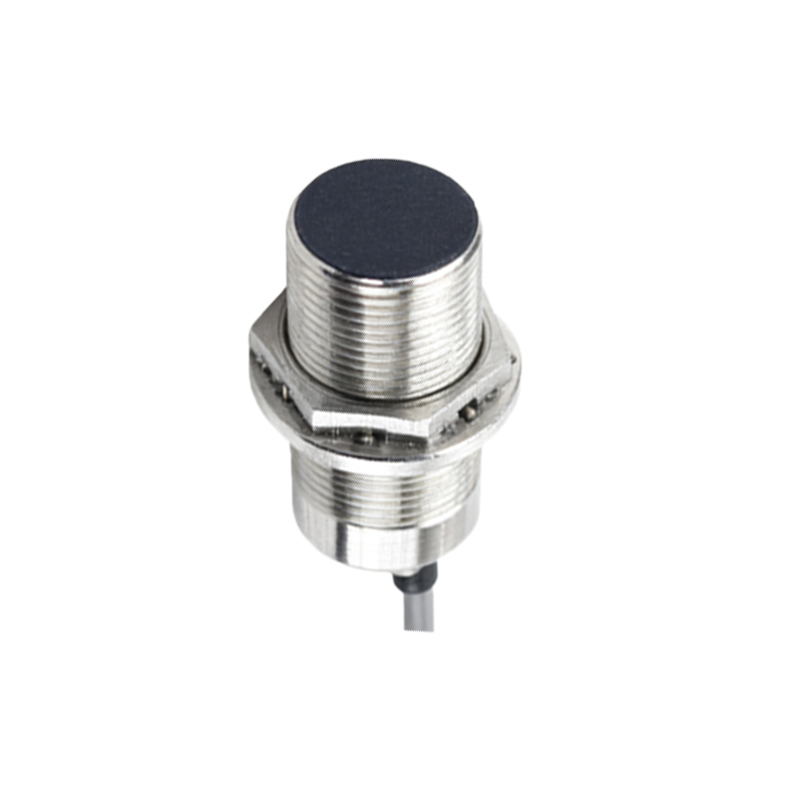
The integration of proximity sensors in Shiyan's industries is bolstered by advancements in connectivity and smart manufacturing. With the rise of Industry 4.0, sensors now feature IO-Link, Ethernet/IP, or PROFINET interfaces, enabling real-time data exchange and predictive maintenance. This connectivity allows plant managers in Shiyan to monitor sensor health, adjust parameters remotely, and optimize production workflows, reducing operational costs and enhancing productivity. For instance, in automotive welding lines, inductive sensors with diagnostic capabilities can alert operators to wear or misalignment before failures occur, preventing costly stoppages.
Environmental adaptability is another key strength. Proximity sensors in Shiyan are engineered to withstand extreme temperatures, vibrations, and chemical exposures common in manufacturing hubs. Stainless steel housings, IP67/IP68 ratings for dust and water resistance, and robust electrical protection ensure reliable performance in demanding conditions. This resilience is crucial for applications like metal stamping, where sensors must endure shock and debris while maintaining accuracy.
Looking ahead, the demand for proximity sensors in Shiyan is poised to grow with the expansion of electric vehicle (EV) production and smart infrastructure projects. Sensors with higher switching frequencies, miniaturized designs, and enhanced energy efficiency will support next-generation automation. Collaboration between local manufacturers and global technology providers fosters innovation, tailoring solutions to Shiyan's specific industrial needs.
In conclusion, proximity sensors are the silent enablers of Shiyan's industrial evolution, offering precision, reliability, and adaptability. From automotive assembly to smart warehousing, their role in enhancing automation underscores Shiyan's commitment to technological advancement and operational excellence. As industries evolve, these sensors will continue to be at the forefront, driving efficiency and safety in one of China's key manufacturing regions.