In the realm of industrial electrical engineering, the integration of advanced safety technologies is paramount to safeguarding personnel and equipment. Among these innovations, safety belt proximity sensors have emerged as a critical component in modern electrical safety systems. These sensors are designed to detect the presence or absence of a safety belt connection in real-time, ensuring that operators are properly secured before engaging with high-voltage equipment or entering hazardous zones.
The operational principle of safety belt proximity sensors is rooted in electromagnetic or capacitive sensing technology. Typically, these sensors are embedded within the buckle mechanism of a safety harness or belt. When the belt is correctly fastened, a metallic component—often a conductive tongue—completes a circuit or alters the electromagnetic field around the sensor. This change triggers a signal that is transmitted to a central control system, confirming the secure status. In contrast, if the belt remains unfastened or is improperly connected, the sensor sends an alert, which can be configured to lock out machinery, activate alarms, or log safety violations for compliance tracking.
In electrical applications, the importance of these sensors cannot be overstated. High-voltage environments, such as substations, power generation facilities, and industrial control rooms, pose significant risks of arc flashes, electrical shocks, and falls. Safety belt proximity sensors serve as a proactive measure to mitigate these dangers. For instance, in a scenario where an electrician is required to work on live electrical panels, the sensor ensures that their safety harness is engaged, reducing the likelihood of injury from accidental contact or falls from height. Moreover, these sensors are often integrated with broader safety systems, such as programmable logic controllers (PLCs) or safety relays, enabling automated shutdowns if a belt is disconnected during operation.
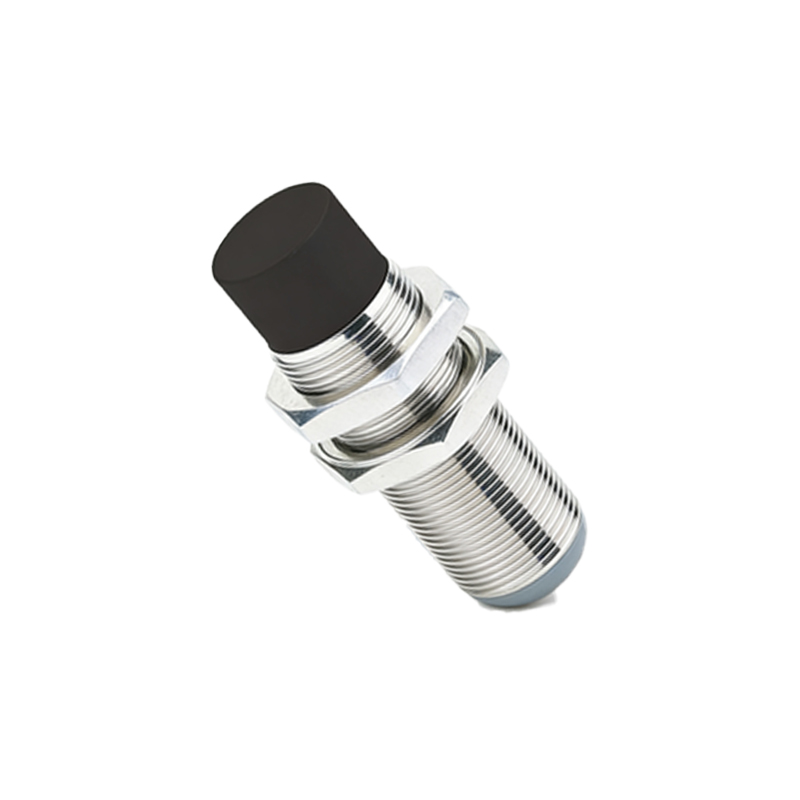
The design and implementation of safety belt proximity sensors adhere to stringent international standards, including IEC 61508 for functional safety and ISO 14119 for safety of machinery. Engineers must consider factors such as sensor sensitivity, environmental durability, and electromagnetic compatibility (EMC) to ensure reliable performance in harsh industrial settings. Many modern sensors feature robust housings rated for IP67 or higher, protecting against dust, moisture, and chemical exposure. Additionally, wireless variants have gained popularity, utilizing Bluetooth or RFID technology to transmit data without physical wiring, thereby simplifying installation in complex electrical infrastructures.
From a practical standpoint, the deployment of these sensors enhances both safety and operational efficiency. By automating safety checks, companies reduce human error and foster a culture of compliance. Maintenance teams can leverage sensor data for predictive analytics, identifying patterns in safety behavior or equipment wear. For example, frequent false alerts might indicate sensor misalignment or belt damage, prompting preemptive repairs. In the context of Industry 4.0, safety belt proximity sensors are increasingly connected to IoT platforms, allowing real-time monitoring via dashboards and mobile alerts, which is invaluable for remote management of electrical sites.
Despite their advantages, challenges exist in the adoption of safety belt proximity sensors. Electrical interference from nearby high-current conductors can sometimes affect sensor accuracy, necessitating careful shielding and placement. Cost considerations may also arise, particularly for retrofitting older facilities. However, the long-term benefits—including reduced accident rates, lower insurance premiums, and regulatory compliance—often justify the investment. Engineers are advised to conduct thorough risk assessments and collaborate with sensor manufacturers to tailor solutions to specific electrical environments.
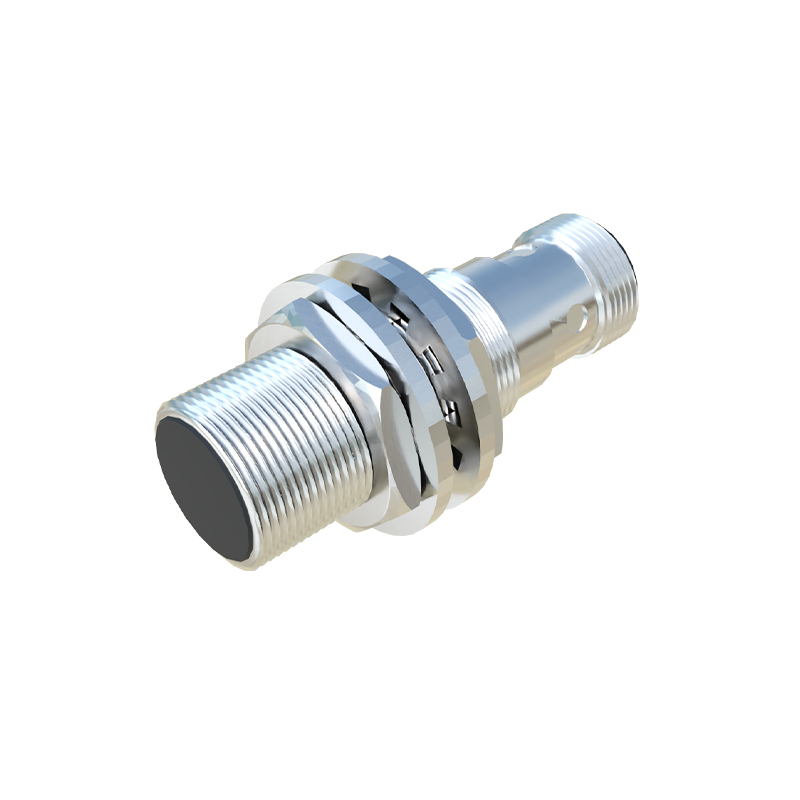
Looking ahead, advancements in sensor technology promise even greater integration with electrical safety protocols. Innovations such as AI-driven predictive models and self-calibrating sensors are on the horizon, potentially enabling adaptive safety systems that respond dynamically to changing conditions. As industries worldwide prioritize worker protection and operational resilience, safety belt proximity sensors will continue to evolve, solidifying their role as indispensable tools in the electrical engineer's safety arsenal. Ultimately, their deployment reflects a commitment to leveraging technology for a safer, more reliable industrial future.