In the rapidly evolving landscape of industrial automation, proximity sensors have become indispensable components for ensuring precision, safety, and efficiency. These non-contact detection devices are engineered to identify the presence or absence of objects within a specified range without physical interaction. The selection of an appropriate proximity sensor is critical, as it directly impacts system reliability, maintenance costs, and overall operational performance. This article delves into the key types, operational principles, and application considerations for proximity sensors in contemporary industrial settings.
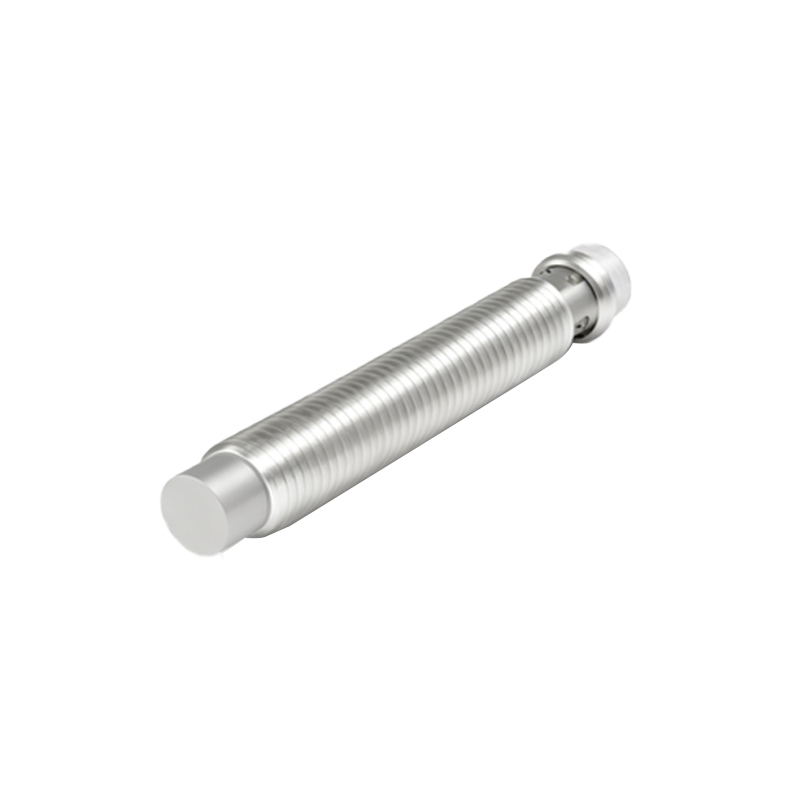
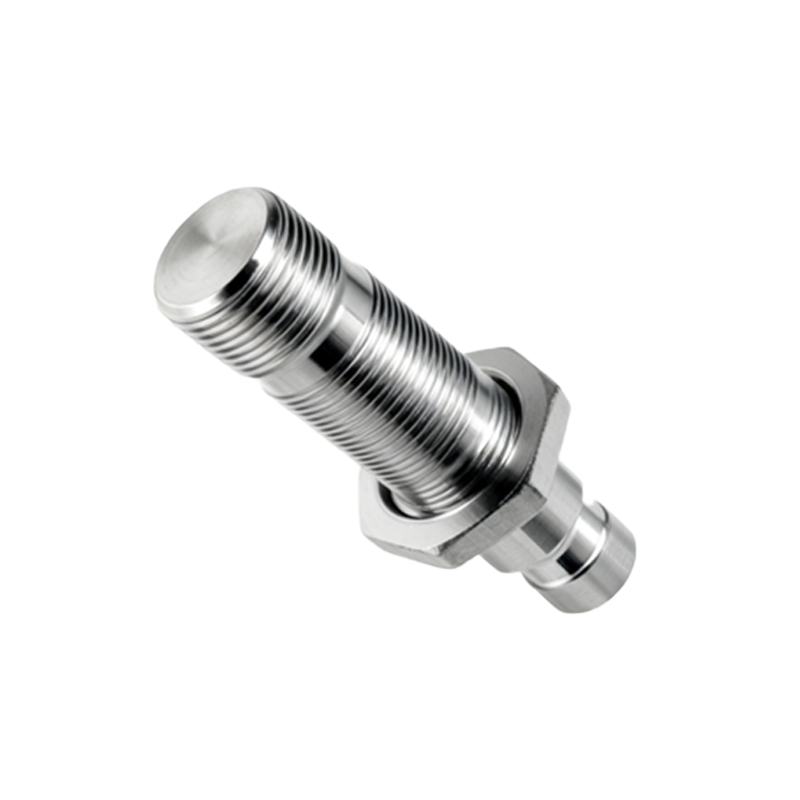
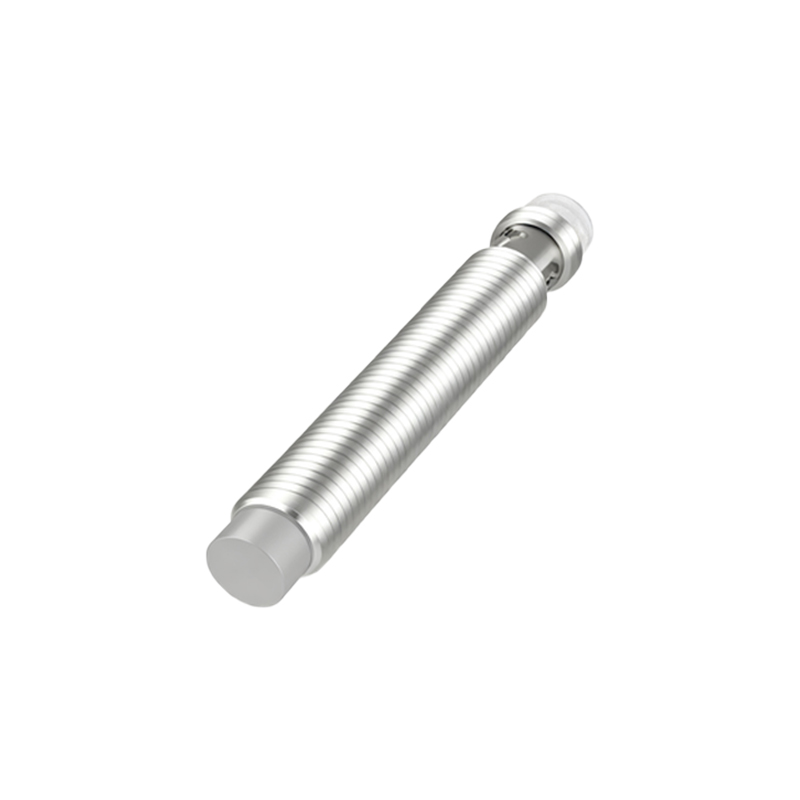
Proximity sensors are primarily categorized based on their sensing technology. Inductive proximity sensors are widely used for detecting metallic objects. They generate an electromagnetic field and react to changes caused by conductive materials, making them ideal for harsh environments where dust, oil, or moisture is present. Common applications include position sensing in conveyor systems, metal detection in machining, and part counting in assembly lines. Capacitive proximity sensors, on the other hand, can detect both metallic and non-metallic materials such as plastics, liquids, and granular substances. They operate by measuring changes in capacitance when an object enters the sensor's electrostatic field. This versatility makes them suitable for level detection in tanks, material handling, and packaging industries.
Ultrasonic proximity sensors utilize sound waves to detect objects, regardless of their material composition. By emitting high-frequency pulses and analyzing the reflected signals, these sensors can measure distance and presence with high accuracy. They are particularly effective in challenging conditions like transparent object detection, liquid level monitoring, and bulk material sensing. Photoelectric sensors, another prominent category, employ light beams (usually infrared) to sense objects. They offer long sensing ranges and fast response times, excelling in applications such as object counting, edge detection, and automated guided vehicle (AGV) navigation.
When selecting a proximity sensor for a specific application, several factors must be evaluated. Sensing range is a primary consideration; it defines the maximum distance at which the sensor can reliably detect an object. Environmental conditions, including temperature extremes, humidity, and exposure to chemicals, can affect sensor performance. For instance, inductive sensors are robust in dirty environments, while photoelectric sensors may require clean atmospheres to avoid false triggers. The target material also plays a crucial role—inductive sensors only work with metals, whereas capacitive and ultrasonic sensors offer broader compatibility.
Installation and mounting requirements should not be overlooked. Proper alignment and secure mounting ensure consistent operation and prevent mechanical damage. Additionally, output configuration (e.g., NPN, PNP, analog, or digital) must match the control system's input specifications to enable seamless integration. Modern proximity sensors often feature advanced functionalities like IO-Link communication, which facilitates real-time diagnostics, parameter adjustment, and predictive maintenance, thereby enhancing system intelligence and reducing downtime.
In practice, proximity sensors are deployed across diverse industries. In automotive manufacturing, they monitor robotic arm positions and verify component assembly. In food and beverage processing, capacitive sensors detect fill levels in containers, while ultrasonic sensors manage inventory in silos. The logistics sector relies on photoelectric sensors for parcel sorting and warehouse automation. Each application demands a tailored approach to sensor selection, balancing technical specifications with economic considerations.
Regular maintenance and calibration are essential to sustain sensor accuracy over time. Dust accumulation, mechanical wear, or electrical interference can degrade performance. Implementing routine checks and leveraging smart sensor diagnostics can preempt failures, ensuring continuous operation. As Industry 4.0 advances, proximity sensors are evolving with enhanced connectivity, miniaturization, and energy efficiency, paving the way for more adaptive and resilient industrial ecosystems.
Ultimately, the efficacy of a proximity sensor hinges on a thorough understanding of its capabilities and limitations. By aligning sensor characteristics with application demands, engineers can optimize automation processes, improve safety protocols, and drive productivity. The future will likely see further integration of artificial intelligence and IoT capabilities, transforming proximity sensors into intelligent nodes within interconnected industrial networks.