In the world of industrial automation and smart systems, the ability to detect objects without physical contact is fundamental. Two critical technologies enabling this capability are metal sensors and proximity sensors. While their names are sometimes used interchangeably in casual conversation, they represent distinct principles and serve overlapping yet unique roles in modern engineering. This guide delves into their workings, differences, and practical applications.
Metal sensors, specifically inductive proximity sensors, are a subset of proximity sensors designed to detect metallic objects. Their operation is based on the principle of electromagnetic induction. The sensor generates an oscillating electromagnetic field from its active face. When a metallic object enters this field, eddy currents are induced on the surface of the metal. These currents draw energy from the sensor's oscillator circuit, causing a change in its amplitude. An internal evaluation circuit detects this change and triggers a solid-state output switch, signaling the presence of the metal target. The sensing range and effectiveness depend heavily on the type of metal; ferrous metals like iron and steel are detected at longer ranges, while non-ferrous metals like aluminum or copper have shorter ranges due to their different electrical properties.
Proximity sensors, as a broader category, encompass devices that detect the presence or absence of an object within a specified range without any physical contact. They are classified by their underlying technology. Inductive proximity sensors, as described, detect metals. Capacitive proximity sensors can detect both metallic and non-metallic materials (like wood, plastic, liquid, or granules) by sensing changes in capacitance caused by the object's dielectric constant. Ultrasonic proximity sensors use sound waves, measuring the time-of-flight of an emitted ultrasonic pulse to determine distance to an object, regardless of material. Photoelectric sensors use light beams (visible, infrared, or laser) and are excellent for long-range detection.
The core distinction lies in the target material. A standard inductive proximity sensor is inherently a metal sensor. However, not all proximity sensors are limited to metals. Capacitive, ultrasonic, and photoelectric sensors vastly expand the range of detectable materials. Another key difference is the sensing environment. Inductive metal sensors are highly robust, resistant to dust, dirt, and moisture, making them ideal for harsh industrial settings like machining, welding, or metal stamping. Photoelectric sensors can be affected by ambient light or transparent materials, while capacitive sensors can be influenced by environmental humidity.
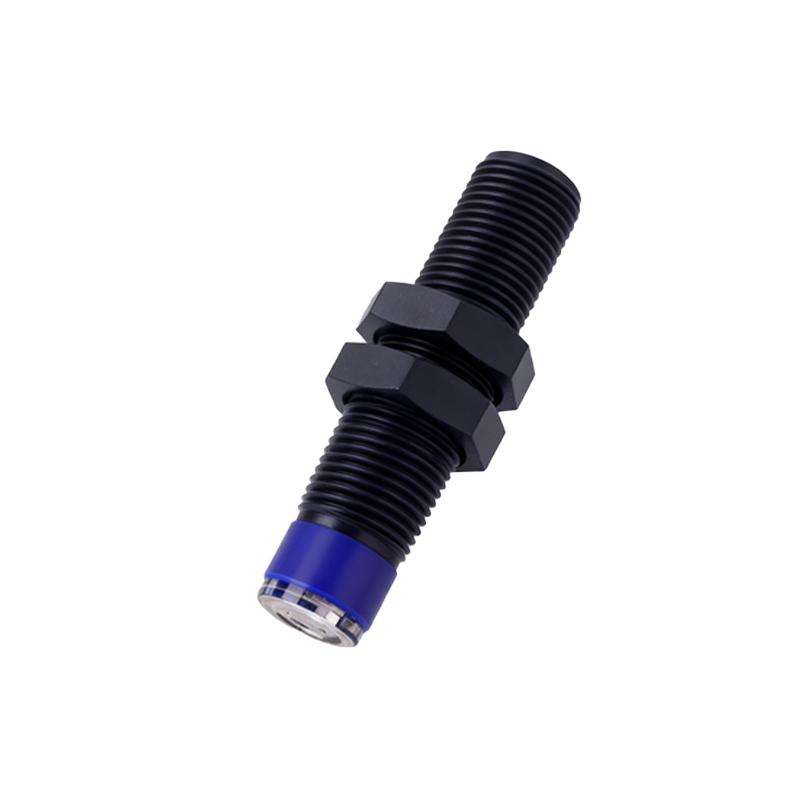
The applications of these sensors are vast and integral to Industry 4.0. Metal sensors are ubiquitous on assembly lines for part verification—ensuring a metal component is present before a robotic weld or a machining step. They count metal products on conveyors, control the position of metal parts, and provide end-of-travel detection in cylinders. In security, they form the basis of metal detection gates.
General proximity sensors find even wider use. Capacitive sensors monitor fill levels in tanks containing liquids or powders through non-metallic walls. They detect the presence of glass or plastic bottles on packaging lines. Ultrasonic sensors provide precise distance measurement for palletizing robots or controlling the loop of material in web processes. Photoelectric sensors are the eyes of automated warehouses, reading barcodes, detecting objects on high-speed conveyors, and ensuring safety in access control with light curtains.
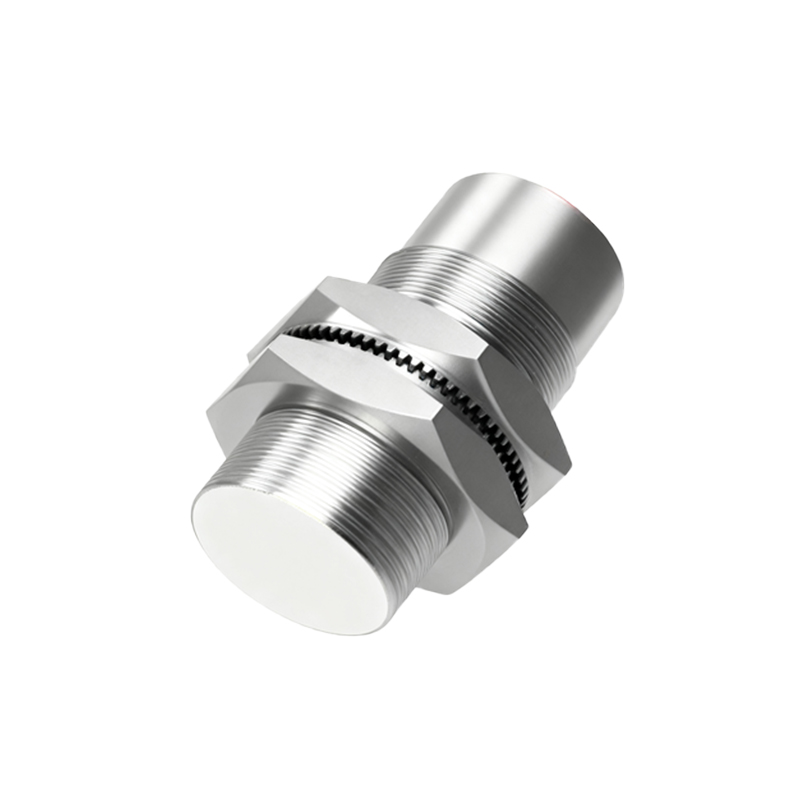
Choosing between a metal sensor and another type of proximity sensor depends on a clear analysis of the task. Key selection criteria include: the material of the target object, the required sensing distance, the operating environment (temperature, presence of contaminants), the required response speed, and the output type needed (PNP/NPN, analog, IO-Link). For dedicated metal detection in industrial environments, inductive sensors are the default, robust choice. For detecting varied materials, measuring distance, or functioning in complex conditions, other proximity sensor types are necessary.
Modern advancements continue to push the boundaries. Sensors now come with enhanced immunity to electromagnetic interference, higher switching frequencies for faster machinery, and integrated IO-Link communication for digital parameter setting and advanced diagnostics. Miniaturization allows them to fit into increasingly compact machinery. The convergence of sensing and data communication is turning simple detection devices into intelligent nodes in the Industrial Internet of Things (IIoT), providing valuable predictive maintenance data.
In conclusion, metal sensors—primarily inductive types—are workhorses for industrial metal detection, prized for their durability and reliability. Proximity sensors represent a versatile family of technologies that solve a broader spectrum of non-contact detection challenges. Understanding their operational principles is the first step in deploying the right sensor to enhance efficiency, ensure safety, and enable automation across countless industries, from manufacturing and packaging to automotive and food processing.