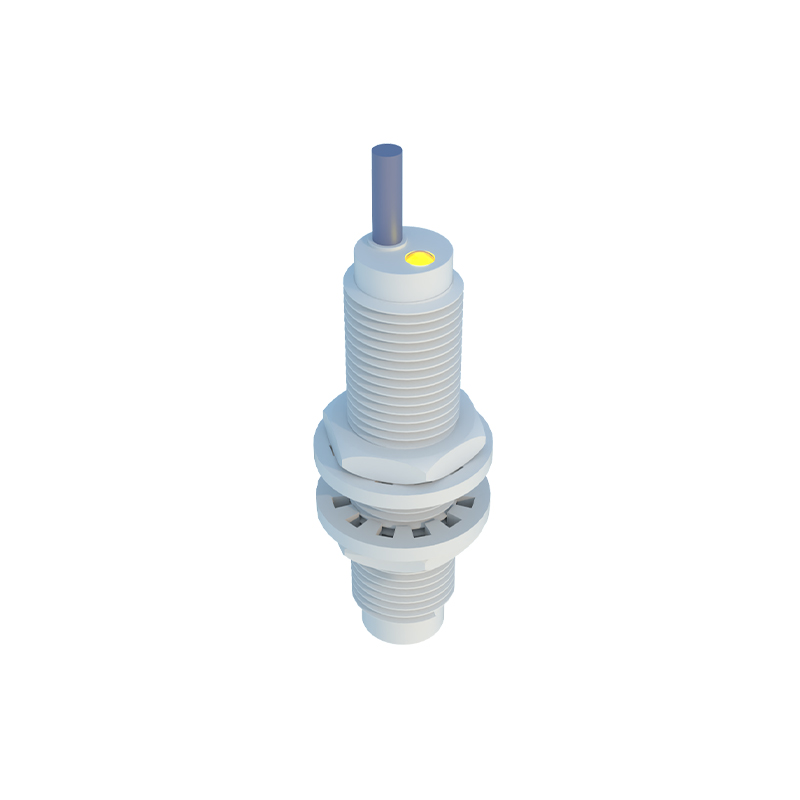
In the realm of industrial automation and control systems, proximity switch sensors are indispensable components for non-contact detection of metallic objects. Among the various design elements that contribute to their reliability and performance, the housing material plays a critical role. Copper, as a housing material for these sensors, offers a unique set of advantages that cater to demanding operational environments. This article delves into the design considerations, inherent benefits, and specific industry applications of proximity switch sensors utilizing copper housings.
The primary function of a proximity sensor housing is to protect the internal electronic components—such as the oscillator, trigger circuit, and output amplifier—from external physical damage, contaminants, and electromagnetic interference (EMI). Copper, specifically alloys like brass or bronze often used in sensor housings, provides exceptional shielding properties. Its high electrical conductivity makes it highly effective at attenuating electromagnetic fields, which is crucial in environments rich with motors, drives, and other equipment that generate significant EMI. This shielding ensures signal integrity, reduces false triggering, and enhances the overall stability and accuracy of the sensor's operation.
Beyond EMI shielding, the mechanical properties of copper alloys are highly favorable. These materials exhibit excellent corrosion resistance, particularly against many industrial atmospheres, water, and certain chemicals. This resistance prolongs the sensor's lifespan in harsh conditions, such as manufacturing floors with coolants, outdoor installations exposed to weather, or food and beverage processing plants where washdowns are frequent. The inherent durability and malleability of copper also allow for robust housing designs that can withstand vibration, mechanical shock, and minor impacts without compromising the seal integrity. Many copper alloy housings are rated with high Ingress Protection (IP) codes, such as IP67 or IP69K, ensuring protection against dust and high-pressure water jets.
Thermal management is another significant advantage. Copper's high thermal conductivity allows the housing to act as a heat sink, efficiently dissipating heat generated by the internal electronics during continuous operation. This passive cooling effect helps prevent overheating, which can degrade component performance and shorten sensor life. In applications where sensors are mounted near heat sources or in enclosed control panels with limited airflow, this property is particularly valuable.
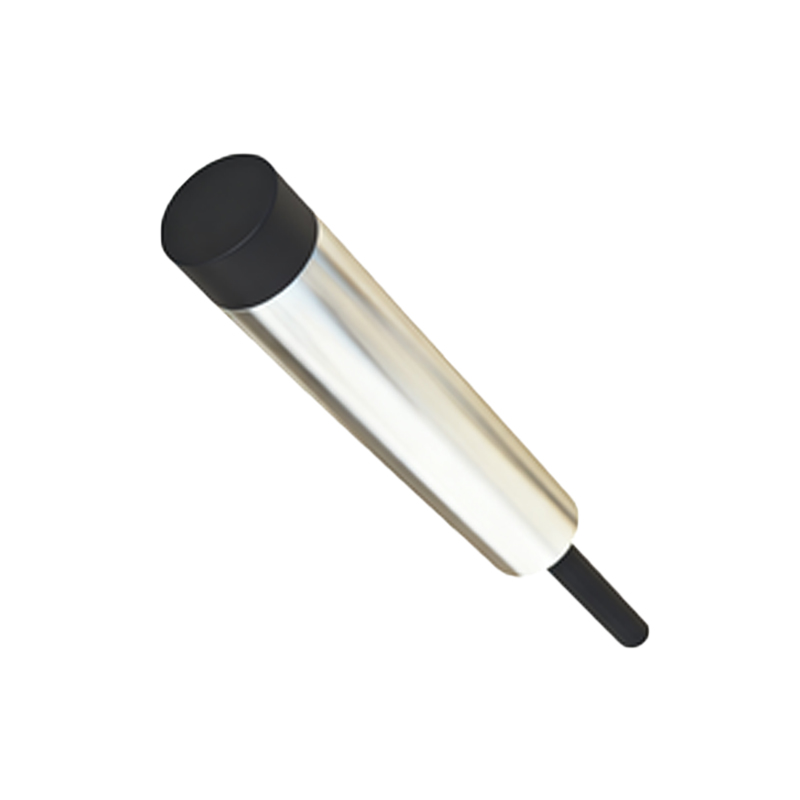
From a design and manufacturing perspective, copper alloys offer excellent machinability. This allows for the production of housings with precise dimensions, complex shapes, and fine threads for secure mounting and cable gland integration. The material also lends itself well to various plating or coating processes if additional surface properties are required, though the natural alloy often provides sufficient protection. The classic gold-like appearance of brass housings is also sometimes preferred for aesthetic reasons in certain machinery designs.
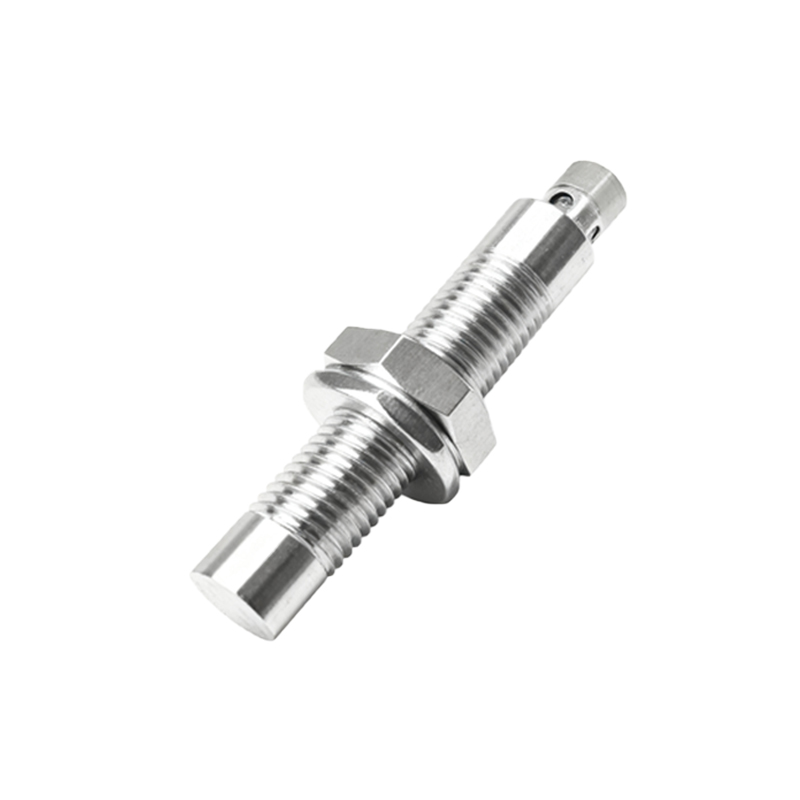
The application of proximity sensors with copper housings spans numerous industries. In metalworking and machining, they are used for tool positioning, part detection on CNC machines, and monitoring robotic arm end-effectors, where EMI from powerful motors is prevalent. The automotive manufacturing sector relies on them for assembly line automation, where resistance to oils, coolants, and repetitive physical contact is essential. In material handling and packaging, these sensors ensure precise object counting and position verification on high-speed conveyor systems. Furthermore, their robustness makes them suitable for heavy industries like mining, shipbuilding, and primary metal processing, where environmental toughness is non-negotiable.
When selecting a proximity sensor, specifying a copper housing is a strategic choice for applications prioritizing long-term reliability under electrical and mechanical stress. It represents an investment in reduced downtime, minimal maintenance, and consistent operational accuracy. While alternative materials like stainless steel or PBT plastic are used for specific needs (e.g., extreme chemical resistance or cost considerations), copper alloys remain a premier solution for a balanced profile of shielding, durability, and thermal performance. As industrial environments grow more complex and interconnected, the role of such precisely engineered components becomes ever more critical to efficient and fault-resistant automation systems.