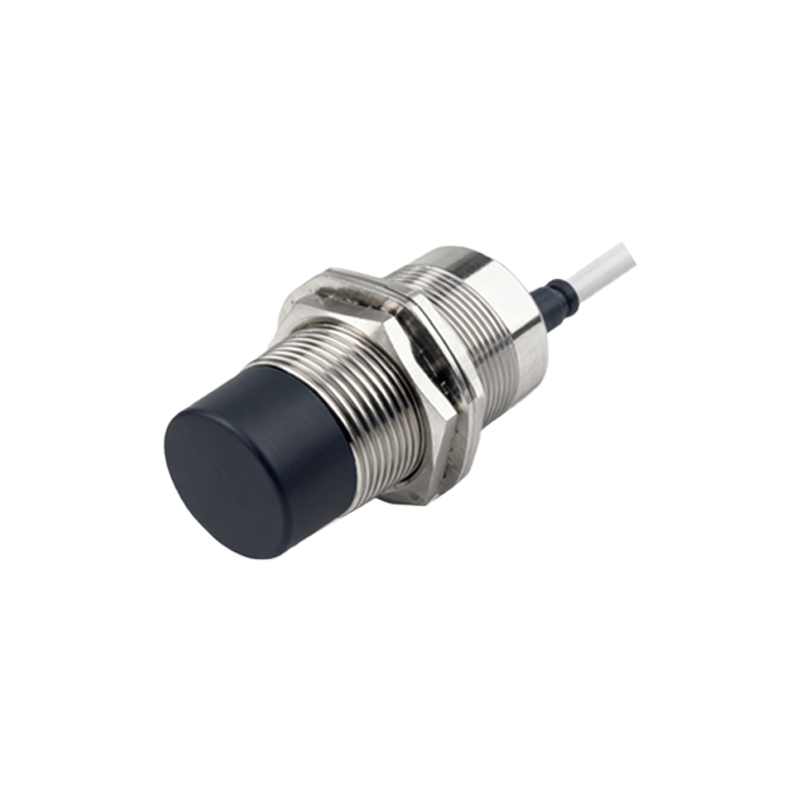
In industrial automation and control systems, proximity switches play a critical role in detecting the presence or absence of objects without physical contact. The core component determining the performance and suitability of a proximity switch is its sensor technology. Selecting the appropriate sensor type is essential for ensuring reliability, accuracy, and efficiency in diverse operational environments. This article provides an in-depth analysis of the primary sensor technologies used in proximity switches, their working principles, advantages, limitations, and typical applications.
The most common sensor types employed in proximity switches include inductive, capacitive, ultrasonic, and photoelectric sensors. Each technology operates on distinct physical principles, making them suitable for specific scenarios.
Inductive proximity sensors are widely used for detecting metallic objects. They generate an electromagnetic field and sense changes caused by conductive materials entering this field. Typically, these sensors consist of a coil, oscillator, detector circuit, and output circuit. When a metal target approaches the sensor, eddy currents are induced in the target, leading to a change in the oscillation amplitude. This change triggers the output switch. Inductive sensors excel in harsh industrial environments due to their robustness, resistance to dirt, dust, and moisture, and high switching frequencies. They are ideal for applications such as metal part detection in assembly lines, position sensing in machinery, and counting metallic objects. However, they are ineffective for non-metallic materials.
Capacitive proximity sensors can detect both metallic and non-metallic objects, including liquids, plastics, glass, and wood. They operate by generating an electrostatic field and monitoring capacitance changes between the sensor and the target. When an object enters the sensing zone, it alters the dielectric constant, causing a shift in capacitance that activates the output. These sensors are versatile and suitable for level detection of liquids or granular materials, material handling, and presence sensing of non-conductive items. They are sensitive to environmental factors like humidity and temperature, requiring careful calibration.
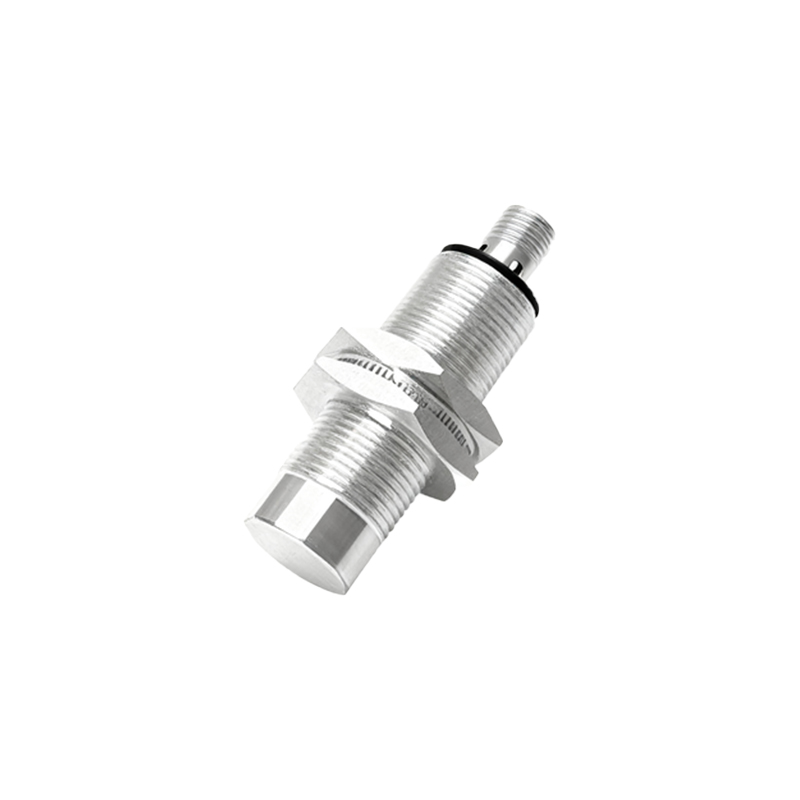
Ultrasonic proximity sensors utilize sound waves beyond the human hearing range (typically 20 kHz to 200 kHz). They emit ultrasonic pulses and measure the time taken for echoes to return after hitting an object. By calculating the time-of-flight, they determine distance or presence. These sensors are effective for detecting objects of various materials, shapes, and colors, and they perform well in challenging conditions such as fog, dust, or varying light. Common applications include distance measurement, object detection in packaging, and liquid level monitoring. Limitations include potential interference from air turbulence or temperature gradients and slower response times compared to other types.
Photoelectric proximity sensors rely on light beams, usually infrared or laser, to detect objects. They consist of an emitter and a receiver. When an object interrupts or reflects the light beam, the sensor triggers an output. Photoelectric sensors are categorized into through-beam, retro-reflective, and diffuse-reflective modes. Through-beam sensors offer long sensing ranges and high accuracy, suitable for precise detection in conveyor systems. Retro-reflective sensors use a reflector to bounce light back, ideal for clear object detection. Diffuse-reflective sensors detect objects based on light reflection from the target itself, useful for varied surfaces. They are excellent for non-contact detection of small items, color differentiation, and high-speed applications. However, they can be affected by ambient light, dirt, or transparent materials.
When selecting a sensor for a proximity switch, engineers must consider several factors: the target material (conductive or non-conductive), sensing distance requirements, environmental conditions (temperature, humidity, contaminants), response speed, and installation constraints. For instance, in automotive manufacturing, inductive sensors are preferred for metal component detection due to their durability. In food processing, capacitive or ultrasonic sensors might be chosen for non-metallic container level sensing. Photoelectric sensors are often used in electronics assembly for precise positioning.
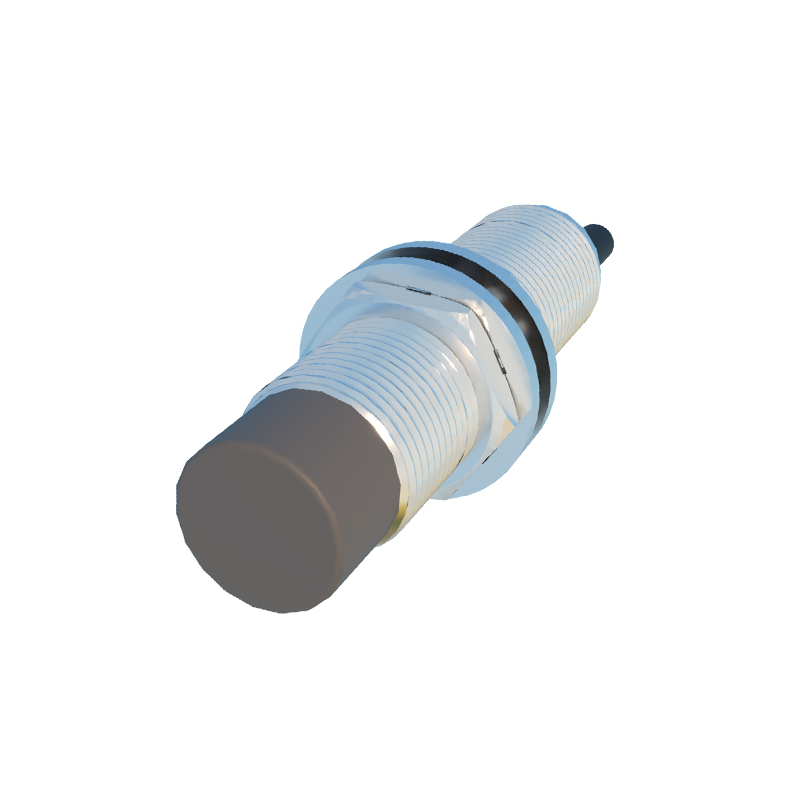
Advancements in sensor technology have led to hybrid and smart sensors with integrated diagnostics, IO-Link communication, and enhanced immunity to interference. These innovations improve system integration and predictive maintenance capabilities. Regular testing and calibration are recommended to maintain optimal performance over time.
In summary, the choice of sensor in a proximity switch directly impacts system efficiency and reliability. By understanding the characteristics of inductive, capacitive, ultrasonic, and photoelectric sensors, engineers can make informed decisions tailored to specific industrial needs, ensuring seamless automation and control.