In the realm of industrial automation and process control, the accurate monitoring of valve position is paramount. Valve position feedback proximity sensors have emerged as critical components, providing reliable, non-contact detection to ensure system integrity, safety, and efficiency. This article delves into the technology, selection criteria, and application best practices for these indispensable devices.
Proximity sensors designed for valve position feedback are typically inductive, capacitive, or magnetic in nature. Inductive sensors are the most common, detecting the presence of metallic valve stems, actuators, or targets without physical contact. They generate an electromagnetic field; when a conductive metal object enters this field, it causes a change in oscillation amplitude, which the sensor detects and converts into a switching signal. This signal is then transmitted to the control system, such as a PLC or DCS, confirming whether the valve is in the open, closed, or an intermediate position. Key advantages include high repeatability, long service life due to the absence of moving parts, and resilience in harsh environments featuring dust, moisture, and vibration.
Selecting the appropriate valve position feedback sensor requires careful consideration of several technical parameters. First, the sensing distance, or nominal range, must be compatible with the mechanical movement of the valve assembly. Engineers must account for installation tolerances and potential misalignment. The sensor's housing material is another critical factor; stainless steel (e.g., 316L) housings offer superior corrosion resistance for applications in chemical processing, offshore platforms, or water treatment facilities. The electrical output type—typically PNP (sourcing) or NPN (sinking) discrete DC signals, or analog outputs (4-20 mA)—must match the input requirements of the host controller. Furthermore, industry-standard protection ratings, such as IP67, IP68, or IP69K, are essential for ensuring reliable operation when exposed to washdowns or submersion.
Integration into modern Industrial Internet of Things (IIoT) frameworks is an evolving trend. Smart proximity sensors with IO-Link communication capability offer significant benefits beyond simple binary feedback. They can transmit detailed diagnostic data, such as operating temperature, signal strength, and device health status, to higher-level systems. This facilitates predictive maintenance, reducing unplanned downtime by alerting personnel to potential failures before they occur. For example, a gradual decrease in the detected signal margin can indicate mounting misalignment or buildup of debris on the target, prompting timely intervention.
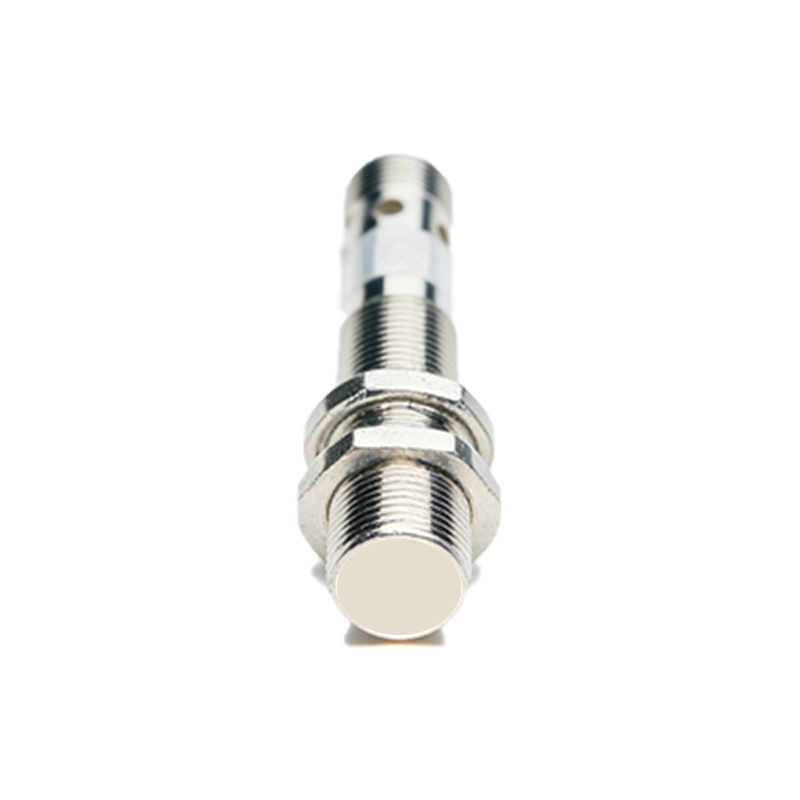
Application engineering is vital for optimal performance. Proper mounting is crucial; sensors must be securely fixed to prevent movement that could affect the sensing gap. The target material, size, and approach direction significantly influence the effective sensing range. For instance, a sensor calibrated for mild steel may have a reduced range for stainless steel targets. In environments with extreme temperatures, selecting sensors with extended operational ranges (e.g., -40°C to 100°C) is necessary. For hazardous areas with potentially explosive atmospheres, sensors must carry appropriate certifications like ATEX, IECEx, or UL for Class I, Division 1 or 2 locations.
In conclusion, valve position feedback proximity sensors are sophisticated devices that form the backbone of reliable valve actuation monitoring. Their correct selection, based on a thorough analysis of mechanical, electrical, and environmental conditions, directly impacts plant safety and operational throughput. As industries move towards greater connectivity and data-driven decision-making, the role of these sensors will only expand, solidifying their status as essential components in automated fluid control systems. Regular consultation with sensor manufacturers' technical support and adherence to their installation guidelines are recommended practices for achieving long-term, trouble-free service.