Proximity Switch Sensor 36 represents a pivotal advancement in industrial automation, offering unparalleled reliability and precision in non-contact detection. As a fundamental component in modern manufacturing and machinery, this sensor operates on the principle of electromagnetic induction or capacitive coupling, depending on its specific type. The "36" designation often refers to a standardized housing size or sensing range, making it a versatile choice for diverse operational environments.
In industrial settings, Proximity Switch Sensor 36 excels in detecting metallic or non-metallic objects without physical contact, thereby minimizing wear and tear. Its robust construction typically includes a stainless-steel or nickel-plated brass housing, ensuring resistance to harsh conditions such as extreme temperatures, moisture, and chemical exposure. The sensor's output can be configured as normally open (NO) or normally closed (NC), with options for analog or digital signals to interface seamlessly with PLCs (Programmable Logic Controllers) and other control systems.
Key technical specifications include a sensing range of up to 15 millimeters, depending on the target material, with a high switching frequency that enables rapid response times—critical for high-speed production lines. The sensor operates on a wide voltage range, commonly 10-30V DC, and features short-circuit and reverse-polarity protection to enhance safety and longevity. Installation is straightforward, with many models offering threaded barrels for easy mounting in standard M12 or M18 fittings.
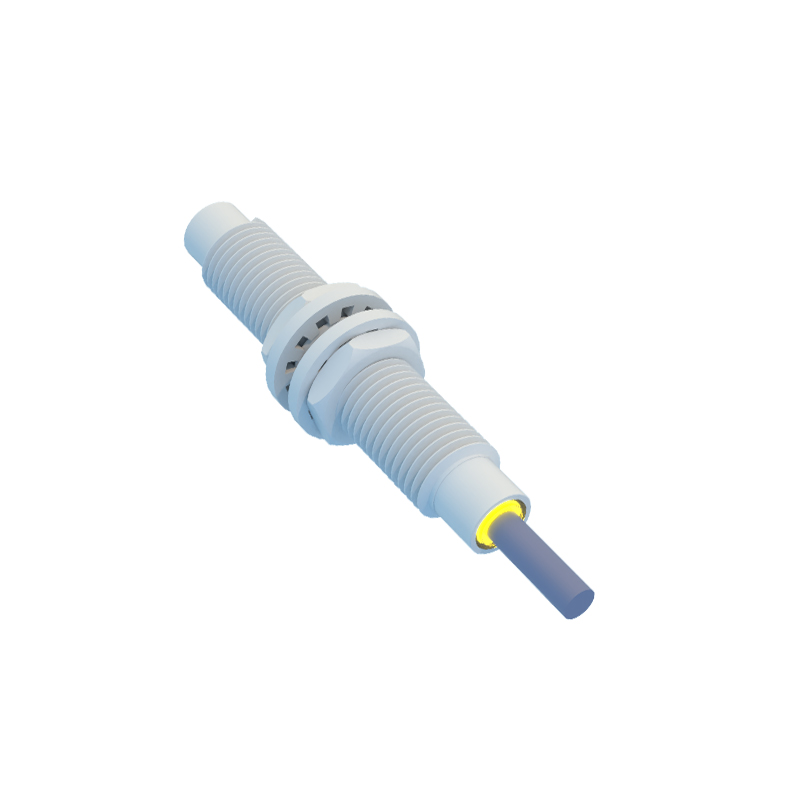
Applications of Proximity Switch Sensor 36 span across industries, from automotive assembly lines, where it monitors part positioning, to packaging machinery, where it ensures accurate filling levels. In material handling systems, it detects pallets or containers, while in robotics, it provides feedback for arm movement and object avoidance. The sensor's immunity to environmental factors like dust and vibration makes it ideal for heavy-duty operations, reducing downtime and maintenance costs.
To optimize performance, regular calibration and alignment are recommended, along with periodic checks for debris accumulation on the sensing face. Troubleshooting common issues, such as false triggers or signal loss, often involves verifying power supply stability and target material compatibility. As Industry 4.0 evolves, Proximity Switch Sensor 36 integrates with IoT (Internet of Things) platforms, enabling predictive maintenance and real-time data analytics for smarter factory management.
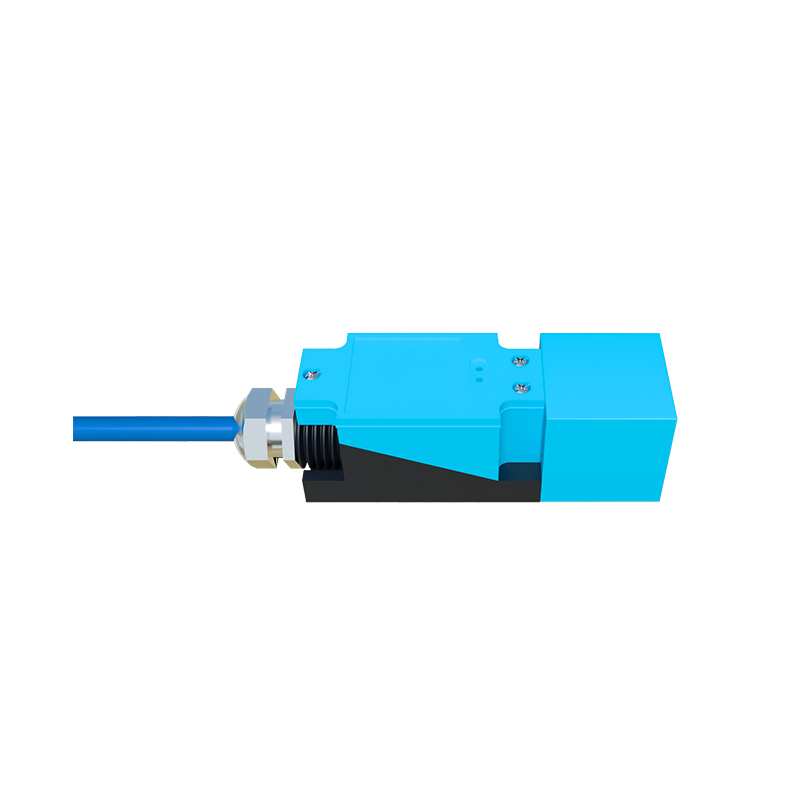
In summary, Proximity Switch Sensor 36 is a cornerstone of industrial efficiency, combining durability, accuracy, and adaptability. Its design prioritizes ease of use and integration, supporting automation goals while driving productivity. For engineers and technicians, understanding its capabilities and maintenance requirements ensures optimal system performance, making it a trusted solution in global manufacturing landscapes.