Infrared (IR) proximity sensors are a cornerstone technology in modern automation, robotics, and consumer electronics. These devices operate by emitting an infrared light beam and detecting its reflection from a nearby object. Unlike mechanical switches or ultrasonic sensors, IR sensors offer contactless detection, high speed, and reliability in various environmental conditions. Their fundamental principle is based on the behavior of infrared light, which is part of the electromagnetic spectrum just beyond visible light.
The core components of a typical IR proximity sensor include an IR LED (Light Emitting Diode) that emits infrared radiation and a photodiode or phototransistor that acts as a receiver. The sensor emits a modulated IR signal—often a specific frequency to minimize interference from ambient light sources like sunlight or incandescent bulbs. When an object enters the detection range, it reflects part of this emitted light back to the receiver. The sensor's internal circuitry then processes this reflected signal. The intensity of the reflected light is inversely proportional to the square of the distance to the object, allowing the sensor to not only detect presence but also, in some advanced models, estimate approximate distance. This is often achieved through triangulation methods in sharper-range sensors or time-of-flight calculations in more sophisticated units.
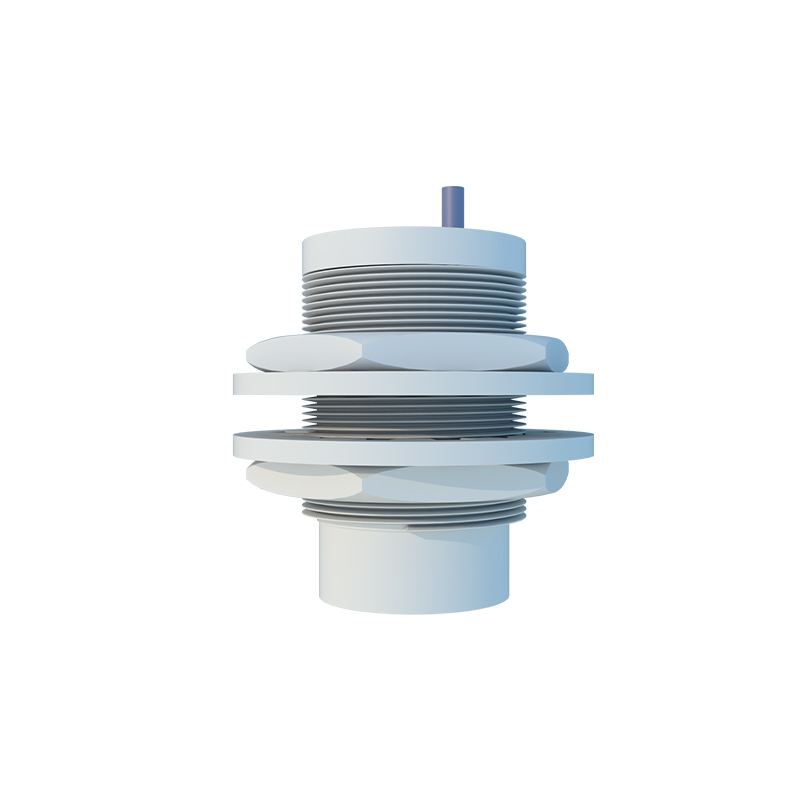
One of the primary advantages of IR proximity sensors is their immunity to acoustic noise and ability to detect non-metallic objects, which can be challenging for inductive sensors. They excel in detecting a wide range of materials, including plastic, wood, paper, and liquids, provided the object's surface has sufficient reflectivity for the IR wavelength used. However, their performance can be affected by the object's color and surface texture; dark, matte surfaces absorb more IR light, reducing the effective sensing range, while shiny surfaces may cause specular reflection away from the receiver.
The applications for IR proximity sensors are vast and continually expanding. In industrial automation, they are deployed for object detection on conveyor belts, counting products, and ensuring proper positioning in assembly lines. In robotics, they serve as essential "eyes" for obstacle avoidance and navigation, allowing autonomous mobile robots to sense their immediate surroundings. The consumer electronics market heavily relies on them; a ubiquitous example is the smartphone that uses an IR proximity sensor to turn off the touchscreen display during a phone call when held close to the ear, saving power and preventing accidental touch inputs. They are also integral to touchless faucets, automatic soap dispensers, and paper towel dispensers in public restrooms, promoting hygiene. Furthermore, they find use in automotive systems for occupancy detection, gesture recognition interfaces, and safety systems.
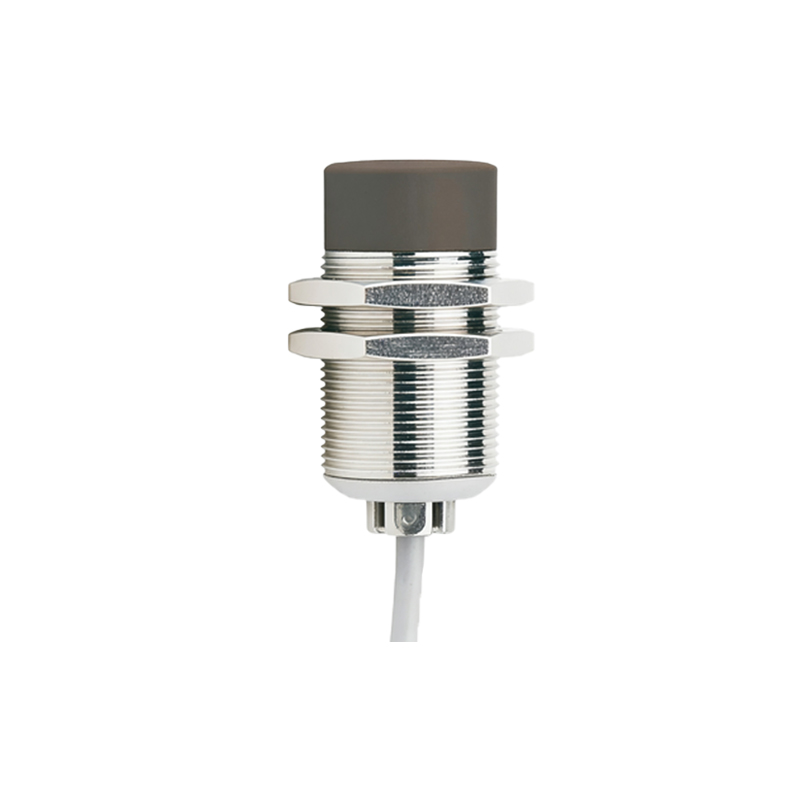
Selecting the right IR proximity sensor for a specific application requires careful consideration of several key parameters. The sensing range is paramount, varying from a few centimeters to several meters. Engineers must match this range to the application's needs. The response time determines how quickly the sensor can detect a change, critical for high-speed production lines. Environmental robustness is another crucial factor; sensors intended for outdoor use or harsh industrial environments may require housings with an appropriate Ingress Protection (IP) rating to withstand dust, moisture, and temperature variations. The output type is also a decisive selection criterion. Sensors commonly provide digital outputs (e.g., NPN/PNP open collector) that switch on/off when an object is within range, or analog outputs (e.g., 0-10V, 4-20mA) that provide a continuous signal proportional to the detected distance. Some advanced sensors feature IO-Link or other digital communication protocols for detailed parameter configuration and diagnostics.
Installation and calibration are critical for optimal performance. Sensors should be mounted securely to avoid vibration-induced errors. It is essential to consider the sensor's field of view; a narrow beam is suitable for precise detection, while a wide beam is better for area monitoring. Potential sources of optical interference, such as other IR-emitting devices, highly reflective backgrounds, or direct sunlight, must be identified and mitigated during the design phase. Regular maintenance, primarily keeping the lens clean from dust, oil, or debris, ensures long-term reliability and consistent performance.
In conclusion, infrared proximity sensors are versatile, efficient, and reliable components that enable smarter machines and interactive devices. Their non-contact nature, combined with continual advancements in emitter and receiver technology, solidifies their role as a fundamental sensing solution across countless industries. From streamlining complex manufacturing processes to enabling intuitive user interfaces in everyday gadgets, the silent operation of IR proximity sensors is a testament to their indispensable value in an increasingly automated world.