In the dynamic landscape of industrial automation and smart manufacturing, proximity sensors have emerged as indispensable components, silently orchestrating complex operations with remarkable precision and reliability. These non-contact detection devices are engineered to identify the presence or absence of an object within a defined sensing range without any physical contact. Their fundamental principle of operation varies by type, primarily including inductive, capacitive, ultrasonic, and photoelectric sensors, each tailored for specific material properties and environmental conditions.
Inductive proximity sensors, for instance, are the workhorses in metal detection applications. They generate an electromagnetic field and detect eddy current losses induced in a metallic target. This makes them ideal for harsh environments found in automotive assembly lines, metal machining centers, and robotic welding cells. Their robustness against oil, coolant, and dust ensures consistent performance where other sensors might fail. A common application is in CNC machines for tool positioning and workpiece detection, where a missed signal could lead to catastrophic tool collision or production defects.
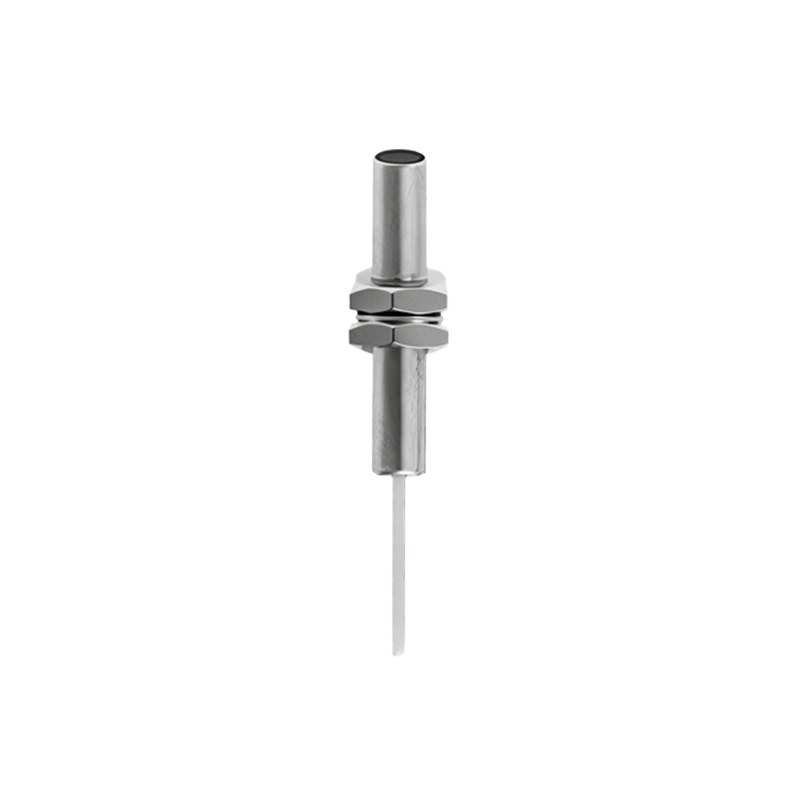
Capacitive sensors, on the other hand, can detect both metallic and non-metallic materials—liquids, plastics, wood, and even granular substances—by measuring changes in capacitance. This versatility finds them crucial in packaging industries for level detection of liquids in non-metallic containers, in food and beverage processing for detecting the presence of glass or plastic bottles on a conveyor, and in paper manufacturing for monitoring paper roll diameter. Their ability to "see through" certain non-metallic walls allows for innovative mounting solutions, keeping the sensor safe from the process medium.
Photoelectric sensors, utilizing a light transmitter and receiver, offer the longest sensing ranges among standard proximity sensors. They are pivotal in logistics and material handling for object counting on high-speed conveyors, in automated storage and retrieval systems (AS/RS) for pallet detection, and in security systems for intrusion detection. The advent of fiber-optic versions allows operation in extreme temperatures or tight spaces, guiding light to and from the sensing point via flexible cables.
Ultrasonic sensors measure the time taken for a sound wave to reflect back from a target. They excel in applications requiring precise distance measurement or detection of problematic materials like clear glass or transparent films, which often challenge photoelectric sensors. They are extensively used in automotive parking assistance systems, in bottling plants for fill-level control, and in agriculture for monitoring grain levels in silos.
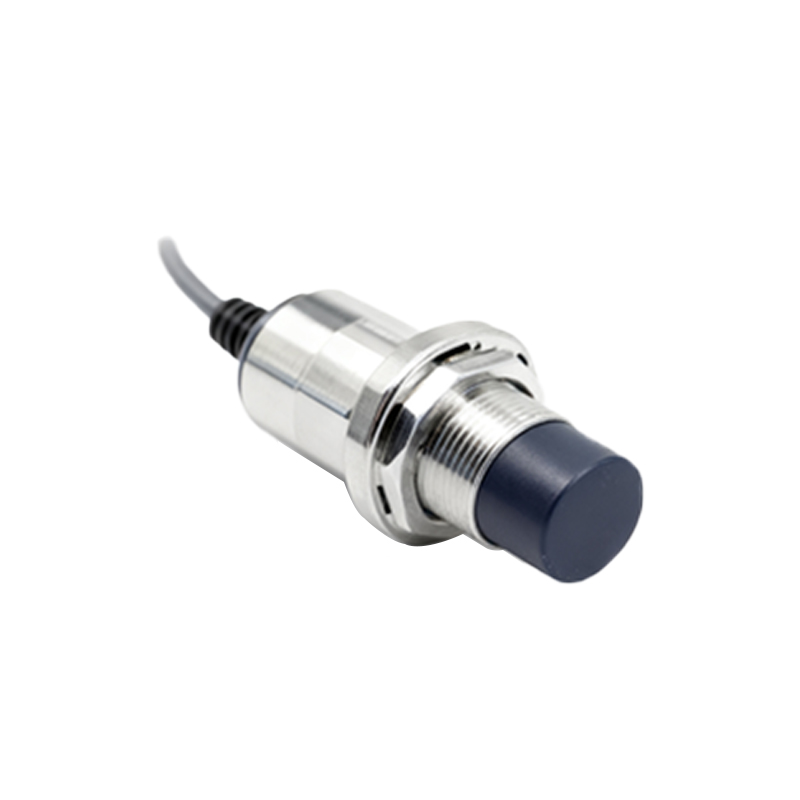
The integration of these sensors with Programmable Logic Controllers (PLCs) and Industrial Internet of Things (IIoT) platforms represents the next frontier. Smart sensors with IO-Link communication, for example, not only provide a simple on/off signal but also transmit detailed diagnostic data—such as operating temperature, signal strength, and remaining service life—to a central control system. This enables predictive maintenance, reducing unplanned downtime. In a smart factory, a network of proximity sensors provides real-time data on material flow, machine cycle times, and asset location, forming the digital nervous system that drives overall equipment effectiveness (OEE).
Safety is another paramount domain. Safety-rated proximity sensors, often with redundant outputs and designed to fail-safe, are integral to safety light curtains and interlock guarding systems on heavy machinery. They ensure a machine cannot operate if a protective door is open or if a worker is within a hazardous zone, directly protecting human life.
When selecting a proximity sensor, engineers must consider a matrix of factors: the target material, required sensing distance, environmental conditions (temperature, pressure, contaminants), electrical output type (NPN/PNP, analog, IO-Link), and housing design. A sensor chosen incorrectly for a dusty environment may become blinded, while one with an insufficient IP rating might fail when exposed to washdown procedures.
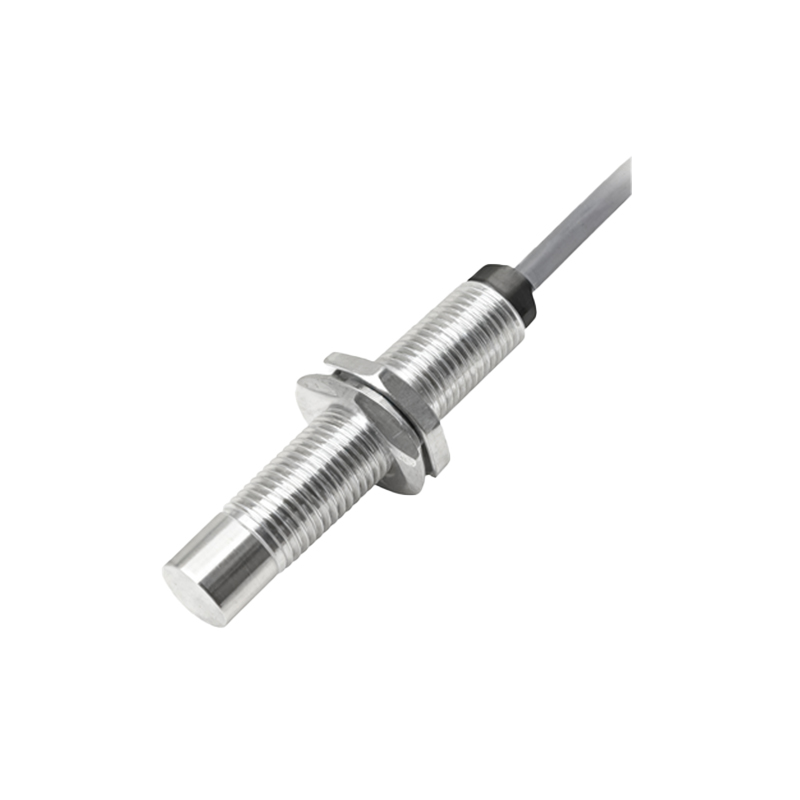
In conclusion, the humble proximity sensor is far more than a simple switch. It is a critical enabler of automation, quality control, safety, and data intelligence. As industries advance towards greater connectivity and autonomy, the evolution of these sensors—towards miniaturization, enhanced intelligence, and resilience—will continue to be a cornerstone of technological progress, making processes not only faster and cheaper but also smarter and safer.