In the realm of municipal sanitation and waste management, the integration of advanced sensor technology has become a cornerstone for improving vehicle safety, reliability, and operational efficiency. Among these technologies, proximity switch sensors play a pivotal role in modern sanitation vehicles, including garbage trucks, street sweepers, and recycling vehicles. These sensors are non-contact devices designed to detect the presence or absence of objects within a specific range without physical contact, making them ideal for the harsh, dynamic environments typical of sanitation operations.
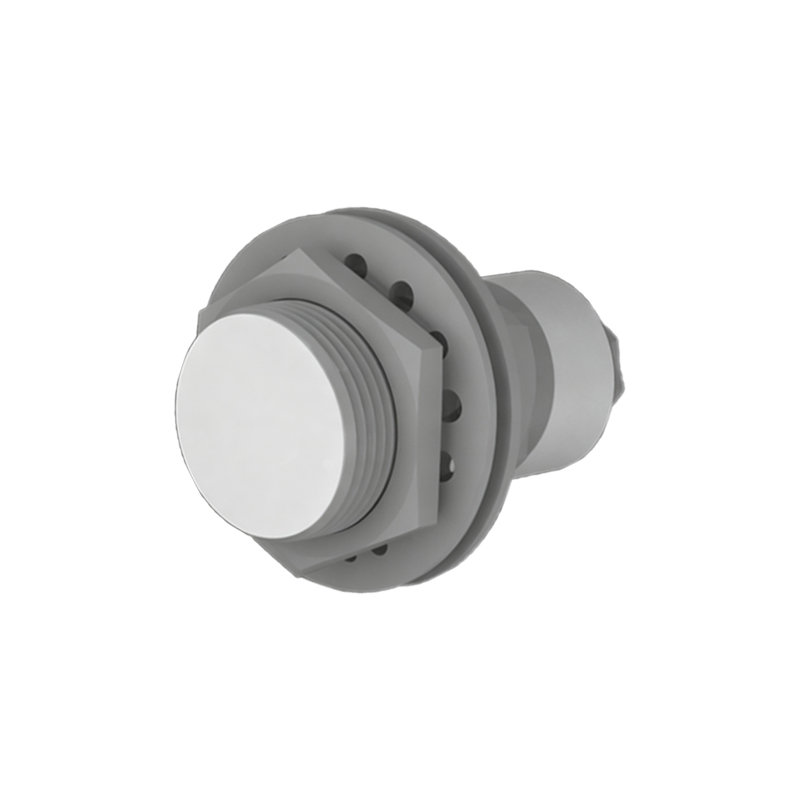
Proximity sensors used in sanitation vehicles are predominantly inductive or capacitive types. Inductive proximity sensors are highly effective for detecting metallic objects, such as the compactor mechanisms in garbage trucks or the lifting arms of automated side-loaders. They operate by generating an electromagnetic field; when a metallic target enters this field, it induces eddy currents, causing a change in the sensor's oscillation amplitude. This change triggers a switch signal, which can be used to control vehicle functions—for instance, halting a compactor to prevent overloading or initiating a lift cycle only when a bin is correctly positioned. Capacitive proximity sensors, on the other hand, can detect both metallic and non-metallic materials, including liquids and plastics. This makes them suitable for applications like monitoring fluid levels in cleaning tanks or detecting the presence of waste in hoppers.
The operational benefits of deploying proximity switch sensors in sanitation vehicles are substantial. Firstly, they significantly enhance safety. By automatically detecting obstacles or personnel near moving parts—such as tailgates, compactors, or sweeping brushes—these sensors can trigger immediate shutdowns or warnings, reducing the risk of accidents and injuries. In automated collection systems, sensors ensure that bins are securely engaged before lifting, preventing spills and equipment damage. Secondly, they boost efficiency and reliability. Sensors enable precise control over vehicle functions, optimizing cycles like compaction and dumping. This leads to faster route completion, reduced fuel consumption, and lower maintenance costs due to minimized mechanical wear and tear. For example, a sensor that monitors compaction density can signal when optimal load capacity is reached, preventing inefficient under-compaction or damaging over-compaction.
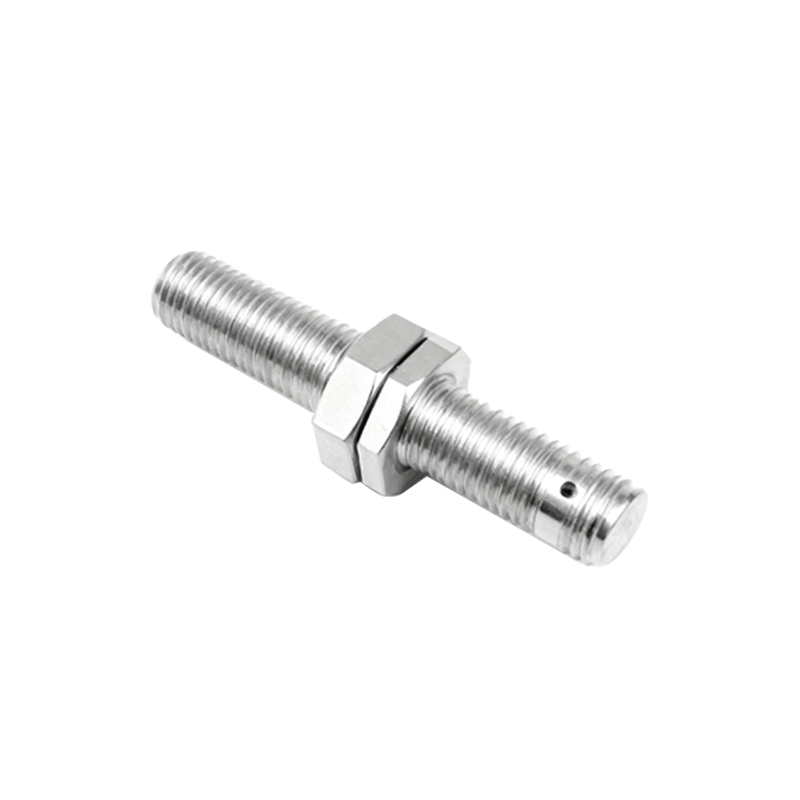
Durability is a critical factor for sensors in sanitation applications. These components are exposed to extreme conditions: vibrations from rough terrain, temperature fluctuations, moisture, dust, and corrosive substances like garbage leachate. High-quality proximity sensors for this industry are typically housed in rugged, sealed enclosures rated IP67 or higher, ensuring resistance to water and dust ingress. They are also designed to withstand electrical noise and voltage spikes common in vehicle electrical systems. Materials such as stainless steel or nickel-plated brass are often used for sensor housings to resist corrosion and physical impact.
Installation and integration of proximity sensors require careful planning. They must be positioned to avoid false triggers from non-target objects while maintaining consistent detection ranges. Wiring should be shielded to prevent electromagnetic interference, and connections must be secure to handle constant vibration. Many modern sanitation vehicles incorporate these sensors into broader telematics and IoT (Internet of Things) networks. Data from sensors can be transmitted to fleet management systems, providing real-time insights into vehicle performance, maintenance needs, and operational metrics. For instance, a sensor detecting frequent jams in a compactor can alert operators to potential maintenance issues before a breakdown occurs.
Looking ahead, the evolution of proximity sensor technology continues to align with trends in smart city infrastructure and autonomous vehicles. Future sanitation fleets may leverage more sophisticated sensors with integrated diagnostics, wireless connectivity, and AI-driven predictive capabilities. These advancements promise even greater efficiencies, such as adaptive routing based on real-time fill-level data from onboard sensors, further reducing environmental impact and operational costs.
In summary, proximity switch sensors are indispensable components in contemporary sanitation vehicles. They deliver a blend of safety, efficiency, and durability that meets the demanding needs of waste management operations. As municipalities and private operators strive for cleaner, smarter cities, investing in robust sensor technology remains a strategic imperative for advancing sanitation services.