In the dynamic and often hazardous landscape of modern industrial operations, the integration of wearable technology has emerged as a pivotal force for enhancing both personnel safety and operational efficiency. Among these innovations, the proximity sensor bracelet stands out as a sophisticated yet elegantly simple solution, fundamentally altering the interaction between human workers and heavy machinery. This article delves into the engineering principles, applications, and transformative impact of these devices within the electrical and industrial automation sectors.
At its core, a proximity sensor bracelet is a wearable device equipped with one or more non-contact sensing elements, typically based on inductive, capacitive, or ultrasonic technologies. For industrial applications, inductive sensors are predominant due to their robustness and reliability in detecting metallic objects. The bracelet continuously emits a low-energy electromagnetic field. When the wearer's hand, adorned with the bracelet, approaches a predefined danger zone around machinery—such as a robotic arm, press, or conveyor system—the sensor detects the metallic components of the machine or a dedicated trigger tag. This detection triggers an immediate signal.
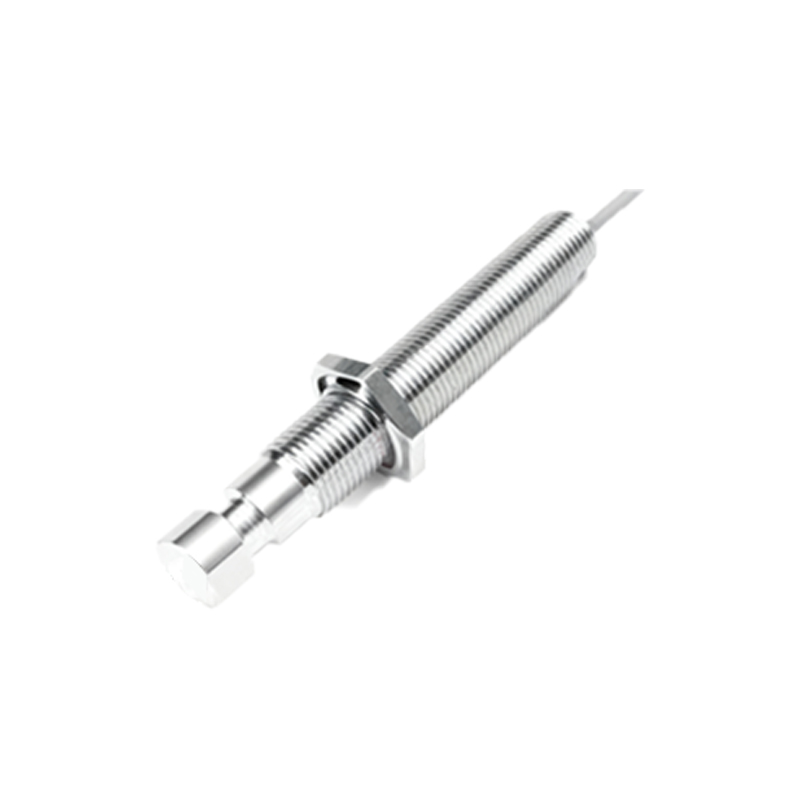
This signal is the cornerstone of the system's functionality. It is wirelessly transmitted, often via Bluetooth Low Energy (BLE) or other industrial-grade protocols like IO-Link, to a central control unit or directly to the machine's safety-rated Programmable Logic Controller (PLC). Upon receipt, the PLC executes a pre-programmed safety routine. This can range from initiating a controlled deceleration (safe stop) of the equipment to a complete emergency shutdown (E-stop), thereby preventing potential collisions, entanglements, or crush injuries. The reaction time is measured in milliseconds, a critical factor where human reflex is insufficient.
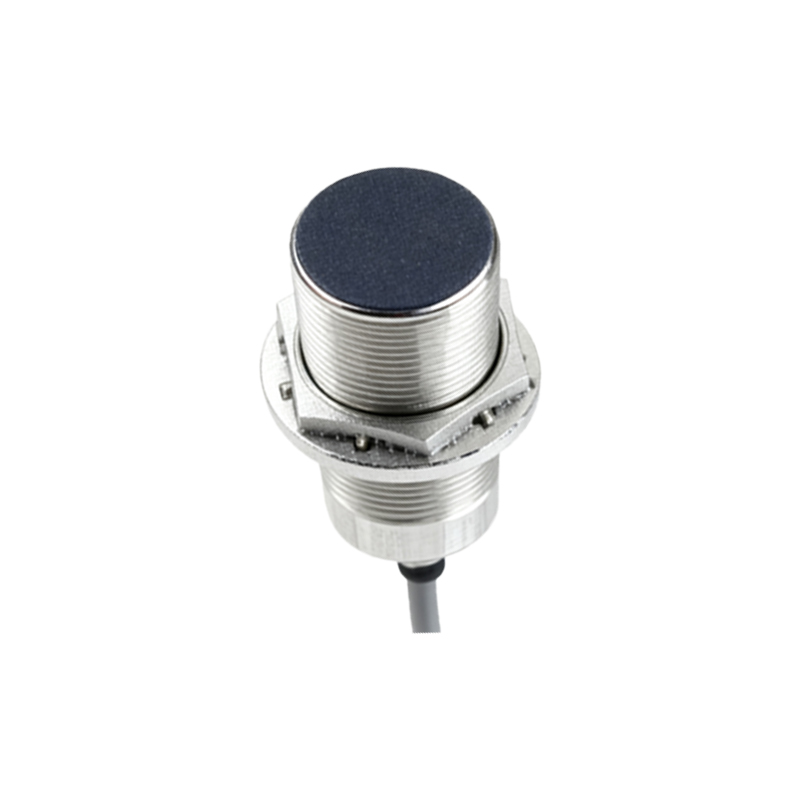
The applications are vast and transformative. In automotive assembly plants, workers on lines shared with large robotic welders can operate with greater confidence, as the system ensures an automatic halt if a worker inadvertently steps too close. In material handling and logistics, personnel working near automated guided vehicles (AGVs) and forklifts are protected from unexpected movements. Furthermore, these bracelets enable a more flexible approach to human-robot collaboration (HRC). Instead of relying solely on physical cages or light curtains, which can limit productivity, zones can be digitally defined. A machine can operate at full speed when the worker is outside the zone, reduce speed as the bracelet enters a warning perimeter, and stop only when the critical distance is breached, optimizing workflow.
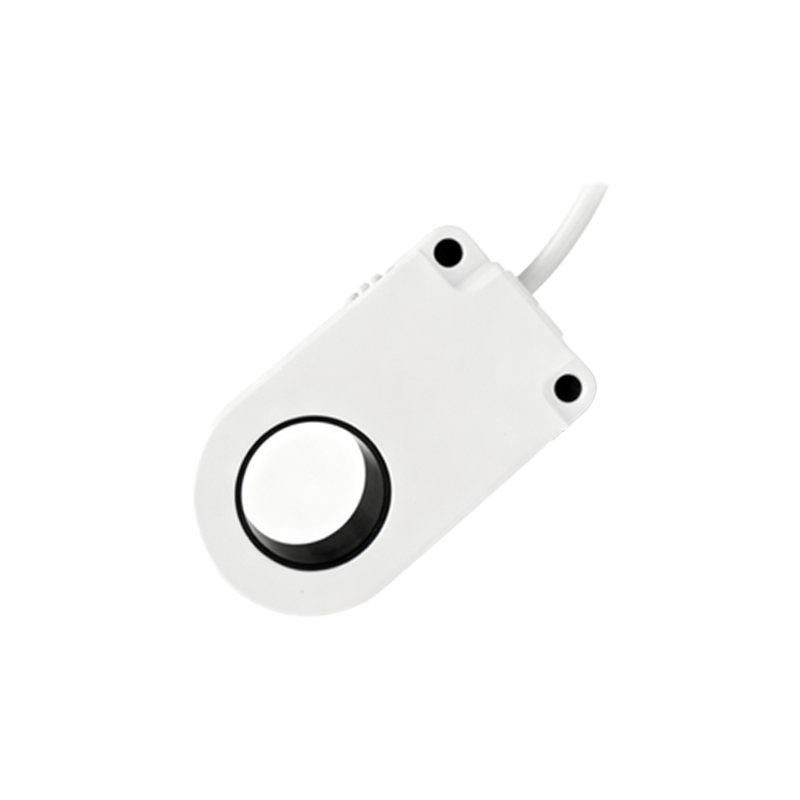
From an engineering perspective, key design considerations include sensor range accuracy, immunity to electromagnetic interference (EMI) common in industrial settings, battery life, and durability. The bracelets must be IP67 or higher rated to withstand dust, moisture, and occasional impacts. Integration with existing safety instrumented systems (SIS) and compliance with international standards such as IEC 62061 and ISO 13849 for safety-related parts of control systems (SRP/CS) are non-negotiable for certification and liability.
Beyond pure safety, the data logged by these systems provide valuable insights for process optimization. Managers can analyze near-miss events, identify high-traffic hazard zones, and refine plant layouts and procedures to preemptively reduce risks. This aligns with the broader Industry 4.0 paradigm of data-driven decision-making.
In conclusion, proximity sensor bracelets represent a significant leap forward in industrial safety technology. They move beyond passive protective gear to create an active, intelligent safety network around each worker. By seamlessly blending sensor technology, wireless communication, and machine control, they not only safeguard human life—the paramount concern for any electrical engineer or plant manager—but also unlock new levels of efficiency and flexibility in human-machine interaction. As sensor technology continues to advance, becoming smaller, more accurate, and more energy-efficient, the functionality and adoption of these life-saving wearables are poised for even greater expansion, solidifying their role as an indispensable tool in the smart factory of the present and future.