In industrial automation and control systems, proximity switch sensors play a critical role in detecting the presence or absence of objects without physical contact. Among the various materials used as target objects, aluminum plates are commonly encountered due to their widespread use in manufacturing, packaging, and machinery. However, using aluminum plates with proximity sensors requires careful consideration to ensure reliable operation.
Proximity sensors typically operate on inductive, capacitive, or magnetic principles. For aluminum, which is a non-ferrous metal, inductive proximity sensors are most frequently employed. These sensors generate an electromagnetic field; when an aluminum plate enters this field, eddy currents are induced on the metal surface. The sensor detects the change in the field oscillation and triggers a switching signal. One key challenge with aluminum is its lower electrical conductivity compared to ferrous metals like steel. Aluminum’s conductivity is approximately 61% that of copper, which affects the sensing distance. Generally, the rated sensing distance for inductive sensors is calibrated for mild steel. For aluminum, the effective sensing distance is reduced—often by about 40–50%. Therefore, when designing a system, engineers must account for this reduction to avoid false triggers or missed detections.
The thickness and size of the aluminum plate also influence performance. Thin or small aluminum pieces may not generate sufficient eddy currents, leading to unreliable detection. As a rule of thumb, the plate thickness should be at least one-third of the sensor’s rated sensing distance, and the plate’s surface area should be larger than the sensor’s sensing face. For instance, if a sensor has an 8 mm rated distance for steel, the aluminum target should be at least 2–3 mm thick and cover the sensor’s active area completely. Additionally, surface conditions matter. Aluminum plates with anodized coatings or oxidation layers may further reduce sensing distance because these layers act as insulators. In such cases, uncoated or bare aluminum is preferable, or sensors with extended range capabilities should be selected.
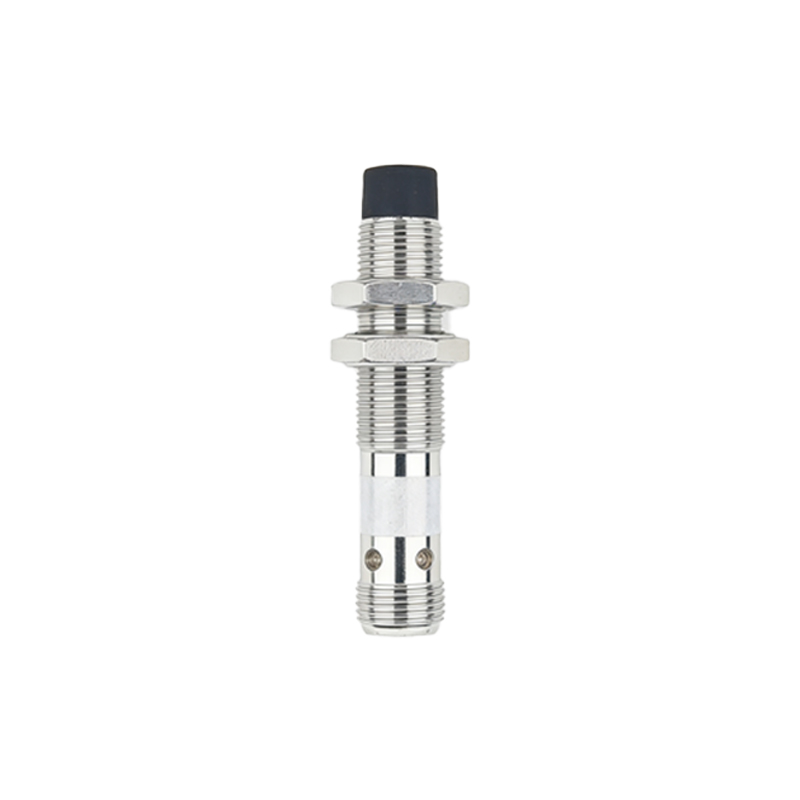
Another consideration is the operating environment. Aluminum is often used in settings with dust, coolant, or vibration. Inductive proximity sensors are inherently robust, with IP67 or higher ratings common, making them suitable for harsh conditions. However, aluminum chips or debris accumulating on the sensor face can cause interference. Regular maintenance and proper mounting orientation can mitigate this. Temperature is another factor; aluminum’s electrical properties change slightly with temperature, but modern sensors with temperature compensation minimize drift.
Selecting the right sensor type is crucial. Standard inductive sensors work well, but for very thin aluminum foils or small parts, capacitive proximity sensors might be an alternative, as they detect materials based on dielectric constant rather than conductivity. However, capacitive sensors are more sensitive to environmental changes like humidity. For high-speed applications, such as detecting aluminum cans on a conveyor, high-frequency oscillation inductive sensors with quick response times (often under 1 ms) are recommended.
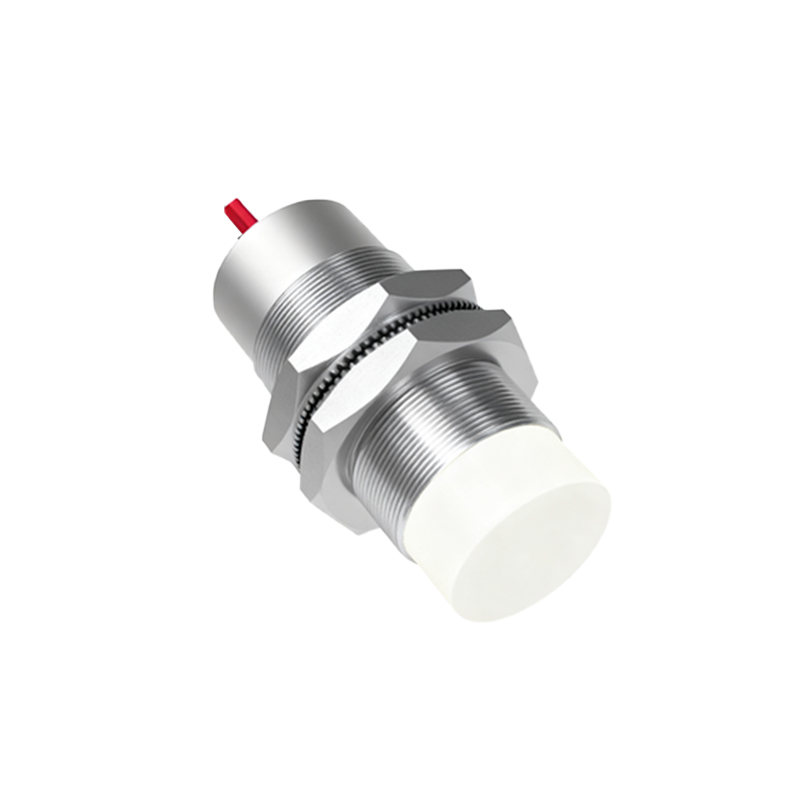
Installation practices significantly impact performance. Sensors should be mounted securely to avoid vibration-induced misalignment. The approach direction of the aluminum plate should be perpendicular to the sensor face to ensure consistent detection. Adjacent metal structures or other sensors can cause electromagnetic interference, so maintaining adequate spacing—typically several times the sensor diameter—is essential. Shielded (flush-mountable) sensors are preferable in tight spaces, as they are less affected by surrounding metals.
In summary, using aluminum plates with proximity switch sensors demands attention to material properties, sensor specifications, and environmental factors. By adjusting for reduced sensing distance, ensuring adequate target size and thickness, and following best installation practices, engineers can achieve reliable, long-lasting detection in automated systems. As industries continue to adopt lightweight aluminum components, understanding these nuances becomes increasingly important for optimizing efficiency and reducing downtime.