In the realm of industrial automation, reliable and non-contact detection of object presence is paramount. Among the various sensing technologies available, magnetic proximity sensors stand out for their robustness, simplicity, and effectiveness in challenging environments. This article delves into the operational principles, key types, application areas, and critical selection criteria for these indispensable components.
At its core, a magnetic proximity sensor detects the presence or absence of a magnetic field, typically generated by a permanent magnet. The sensor itself does not require physical contact with the target object; instead, it reacts when a designated "actuator" magnet, often attached to a moving part like a cylinder piston or a machine door, comes within a specified sensing range. The fundamental working principle often involves a hermetically sealed reed switch or a solid-state Hall-effect element. In a reed switch configuration, two ferromagnetic reeds enclosed in a glass tube are brought into contact by the influence of an external magnetic field, thereby closing an electrical circuit. Hall-effect sensors, on the other hand, generate a voltage differential (the Hall voltage) when a magnetic field is applied perpendicular to a current-carrying conductor, which is then processed by integrated electronics to provide a clean switching signal.
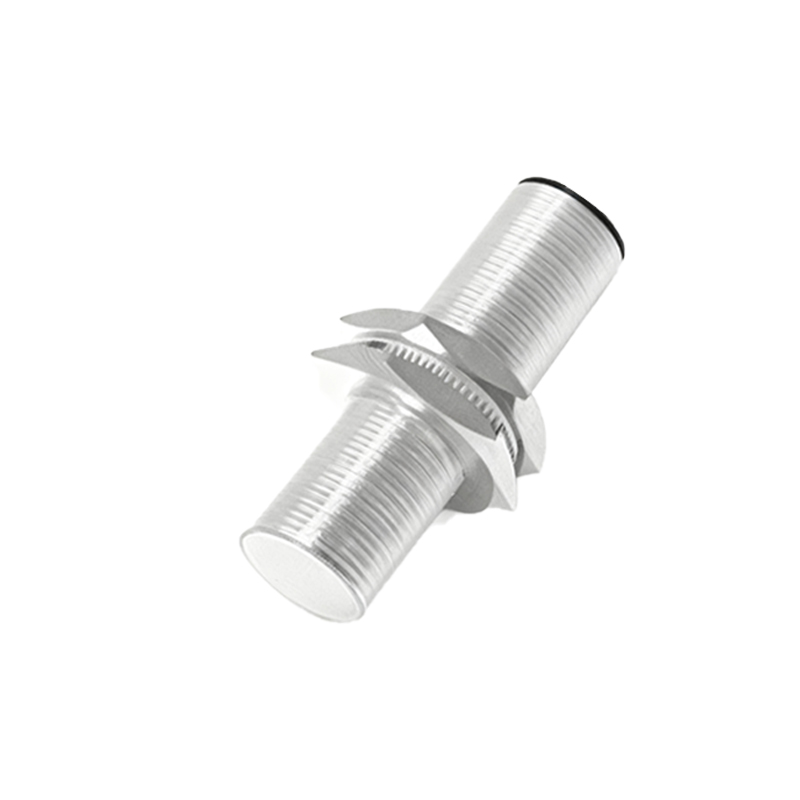
Several primary types of magnetic proximity sensors are prevalent. Reed switch-based sensors are known for their low power consumption, high current switching capability, and excellent isolation between the sensing element and the output. They are, however, generally slower and more susceptible to mechanical shock and vibration over time. Solid-state Hall-effect sensors offer faster switching frequencies, virtually infinite operational life due to the absence of moving parts, and higher resistance to shock and vibration. More advanced versions include programmable sensors, which allow for adjustment of sensing distance and output characteristics, and analog output sensors that provide a continuous signal proportional to the magnetic field strength, useful for position feedback.
The application spectrum for magnetic proximity sensors is vast. They are ubiquitous in pneumatic and hydraulic cylinder position feedback, providing end-of-stroke detection to control machine sequences reliably. In material handling, they monitor the position of conveyor belts, doors, and lifts. Safety systems employ them as non-contact limit switches on guards and access panels. Their sealed construction makes them ideal for washdown environments in food and beverage processing or for outdoor use where exposure to moisture, dust, oils, and coolants is a concern. Unlike inductive or capacitive sensors, magnetic sensors are unaffected by the target material's composition (metal, plastic, wood) as long as the actuator magnet is present.
Selecting the appropriate magnetic proximity sensor requires careful consideration of several parameters. The sensing distance, or switch point, must be specified, keeping in mind that it can be influenced by the magnet's strength, size, and orientation. The electrical characteristics are crucial: output type (PNP/NPN, NO/NC), supply voltage range, output current rating, and protection against short-circuits and reverse polarity. The housing material, typically stainless steel, brass, or PBT plastic, must be chosen based on the chemical and mechanical environment. The IP (Ingress Protection) rating indicates the level of sealing against solids and liquids; a rating of IP67 or higher is common for industrial duty. For cylinders, the sensor must be compatible with the cylinder's magnetic piston type and mounting style (e.g., slot, rectangular, or ring-shaped housings).
Installation and maintenance are straightforward. Ensuring correct alignment between the sensor and the actuator magnet is essential for reliable operation. The sensor should be mounted securely to minimize vibration, and cabling should be routed away from sources of strong electromagnetic interference. While these sensors are highly durable, periodic functional checks are recommended as part of a preventive maintenance program to verify switching consistency.
In conclusion, magnetic proximity sensors offer a uniquely resilient solution for position sensing where environmental factors rule out other technologies. Their non-contact nature, environmental sealing, and material-independent detection make them a cornerstone of modern industrial control systems. By understanding their operating principles and meticulously matching sensor specifications to the application requirements, engineers can ensure long-term, fault-free operation, thereby enhancing the reliability and efficiency of automated machinery.