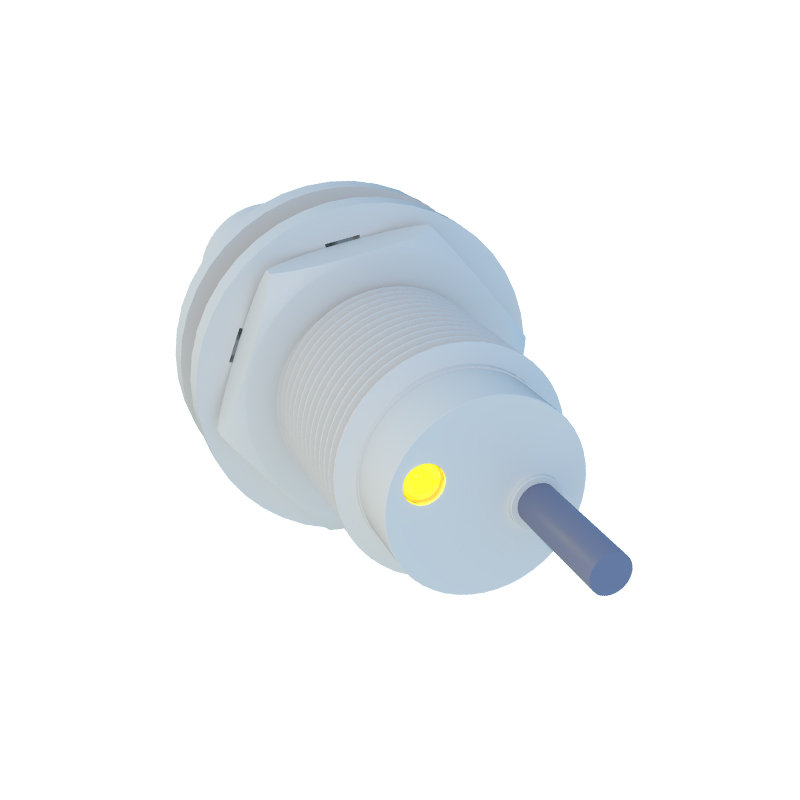
In industrial automation and control systems, proximity sensors are critical components for detecting the presence or absence of objects without physical contact. One of the most vital specifications for ensuring their reliability in harsh environments is the Ingress Protection (IP) rating, which defines the level of sealing effectiveness against solids and liquids. This article delves into the significance of waterproofing for proximity sensors, explaining IP ratings and their practical implications for selection and application.
The IP rating system, established by the International Electrotechnical Commission (IEC) standard 60529, consists of the letters "IP" followed by two digits. The first digit indicates protection against solid particles, ranging from 0 (no protection) to 6 (dust-tight). The second digit denotes protection against liquids, scaling from 0 (no protection) to 9K (protection against high-temperature, high-pressure water jets). For proximity sensors, the liquid protection digit is particularly crucial, as exposure to moisture, water spray, or submersion can lead to corrosion, electrical failure, or inaccurate readings. Common ratings for waterproof sensors include IP67, IP68, and IP69K. An IP67-rated sensor is dust-tight and can withstand temporary immersion in water up to 1 meter deep for 30 minutes, making it suitable for washdown areas or outdoor use where occasional splashing or brief flooding may occur. IP68 offers a higher degree of protection, allowing continuous immersion under conditions specified by the manufacturer, often deeper than 1 meter, which is ideal for applications in underwater equipment or permanently wet locations. IP69K provides defense against high-pressure, high-temperature steam cleaning, essential in food processing, pharmaceuticals, or other industries requiring rigorous sanitation.
Selecting the appropriate IP rating depends on the specific environmental challenges. For instance, in automotive manufacturing, sensors near cooling systems might require IP67 to handle coolant splashes, while in marine applications, IP68 may be necessary to prevent saltwater intrusion. It is important to note that IP ratings are tested under controlled laboratory conditions; real-world factors like chemical exposure, temperature fluctuations, or mechanical stress can affect performance. Therefore, engineers should consider additional factors such as housing material (e.g., stainless steel or PBT plastic), seal quality, and compliance with industry standards like NEMA or ATEX for explosive atmospheres.
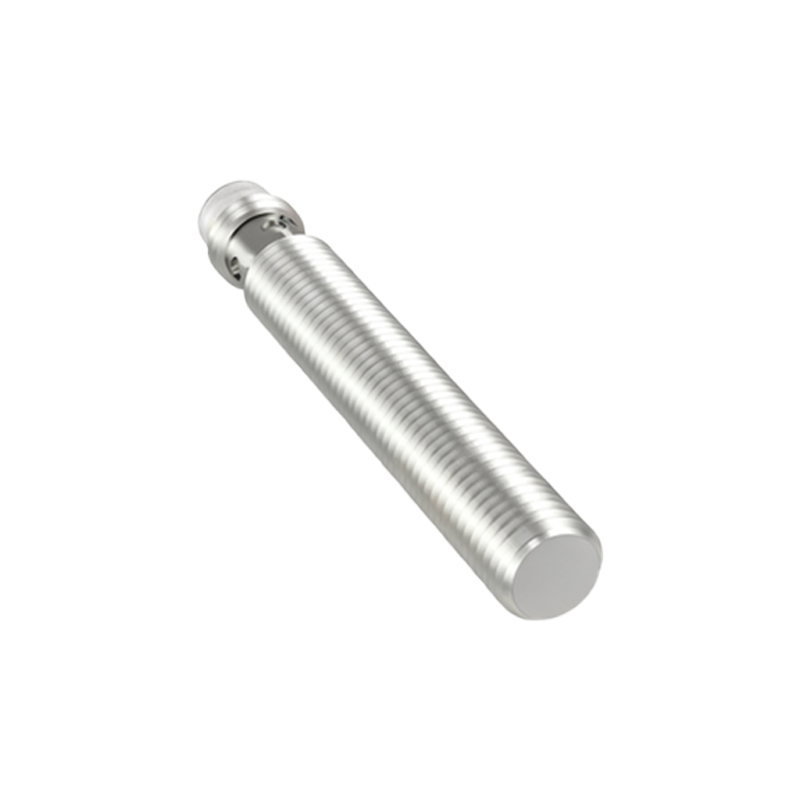
Proper installation and maintenance are key to maintaining waterproof integrity. Ensure that cable glands, connectors, and mounting fixtures are rated to match the sensor's IP level. Regular inspections for seal wear or damage can prevent premature failure. In summary, understanding IP ratings empowers engineers to choose proximity sensors that enhance system durability and reduce downtime, ultimately optimizing operational efficiency in demanding settings. By prioritizing waterproofing based on accurate environmental assessment, industries can achieve greater reliability and cost savings in their automated processes.