In the realm of industrial automation and control systems, proximity sensors are indispensable components for detecting the presence or absence of objects without physical contact. Among the diverse form factors available, square proximity sensors have gained significant traction due to their robust design, ease of installation, and versatility in challenging environments. This article delves into the various types of square proximity sensors, their operational principles, key applications, and essential considerations for selection.
Square proximity sensors are typically housed in a compact, rectangular enclosure, making them suitable for mounting in confined spaces where round sensors might not fit optimally. Their standardized shape allows for consistent integration into machinery and assembly lines. The primary technologies employed in these sensors include inductive, capacitive, and photoelectric sensing, each catering to specific material types and environmental conditions.
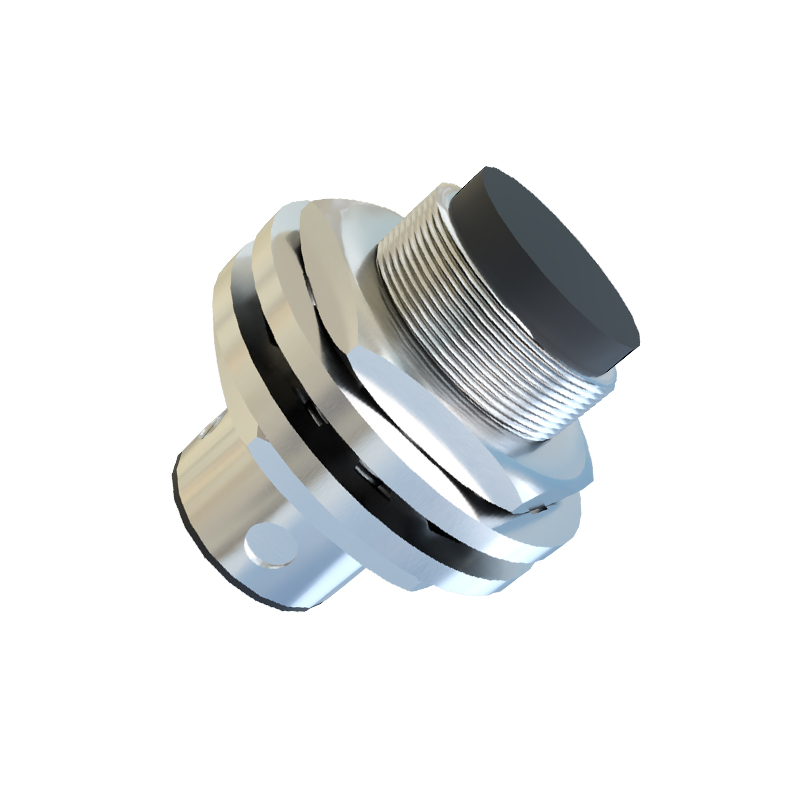
Inductive square proximity sensors are the most common variant, designed to detect metallic objects, such as steel, aluminum, or copper. They generate an electromagnetic field and trigger a signal when a metal target enters this field. These sensors are highly reliable in dirty, oily, or wet industrial settings, as they are immune to non-metallic contaminants. Typical applications include position sensing in conveyor systems, part counting in manufacturing, and end-of-travel detection in automated machinery. Key features often include short-circuit protection, temperature stability, and various output configurations (e.g., NPN, PNP, or analog).
Capacitive square proximity sensors, on the other hand, can detect both metallic and non-metallic materials, including liquids, plastics, and wood. They operate by measuring changes in capacitance caused by the presence of an object. This makes them ideal for applications like level sensing in tanks, material handling in packaging industries, and detection of transparent or colored objects. Many models offer adjustable sensitivity to fine-tune performance for specific materials, along with robust housing to withstand harsh conditions.
Photoelectric square proximity sensors utilize light beams to detect objects. They come in through-beam, retro-reflective, and diffuse reflective types, offering long sensing ranges and high precision. These sensors excel in detecting small or fast-moving items, such as in bottling plants, electronic assembly lines, and logistics sorting systems. Their square design often incorporates alignment aids and built-in indicators for easy setup and diagnostics.
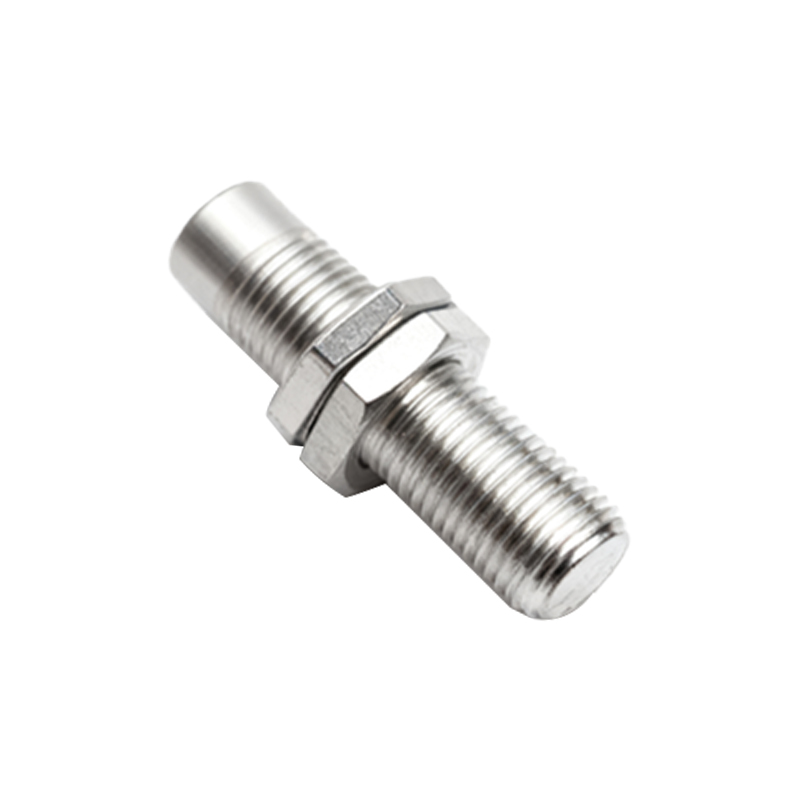
When selecting a square proximity sensor, several factors must be evaluated to ensure optimal performance. First, consider the sensing range and the material of the target object. Inductive sensors are limited to metals, while capacitive and photoelectric sensors offer broader material compatibility. Environmental conditions, such as temperature extremes, humidity, and exposure to chemicals, should guide the choice of housing material (e.g., stainless steel or plastic) and ingress protection (IP) ratings. Electrical requirements, including supply voltage, output type, and connection method (e.g., cable or connector), must align with the control system. Additionally, mounting constraints and space availability may favor square sensors over round ones for streamlined integration.
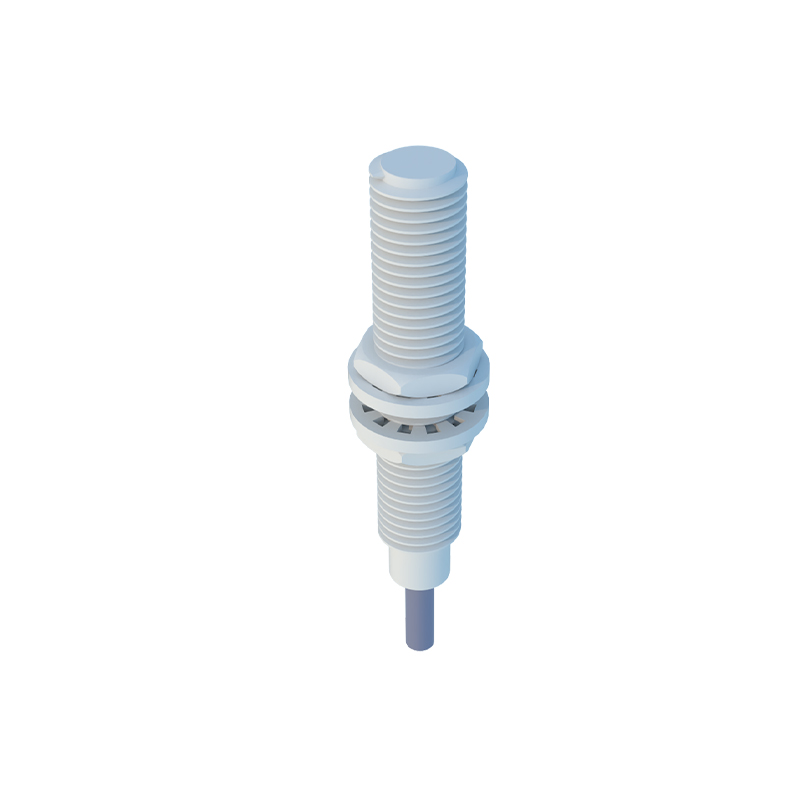
In practice, square proximity sensors are widely used across industries like automotive manufacturing, food and beverage processing, pharmaceuticals, and robotics. For instance, in automotive assembly, inductive sensors monitor the position of metal components, while capacitive sensors check fluid levels in reservoirs. Photoelectric sensors ensure precise labeling and packaging in consumer goods production. Their durability and low maintenance needs contribute to reduced downtime and enhanced operational efficiency.
Advancements in sensor technology have led to the development of smart square proximity sensors with integrated diagnostics, IO-Link communication, and enhanced resistance to electromagnetic interference. These features enable predictive maintenance and seamless data exchange within Industry 4.0 frameworks. As automation evolves, square proximity sensors continue to adapt, offering higher precision, smaller sizes, and greater flexibility.
In summary, square proximity sensors provide a reliable solution for non-contact detection in diverse industrial applications. By understanding their types—inductive, capacitive, and photoelectric—and carefully assessing application requirements, engineers can select the appropriate sensor to improve system reliability and productivity. Their square form factor, combined with advanced functionalities, makes them a cornerstone of modern automation, driving efficiency and innovation in manufacturing and beyond.