Clutch proximity sensors are critical devices in industrial automation, designed to detect the presence or position of clutch components without physical contact. These sensors operate based on electromagnetic principles, typically using inductive, capacitive, or magnetic technologies to monitor clutch engagement and disengagement in machinery. In modern manufacturing and automotive systems, they ensure precise control, enhance safety, and improve operational efficiency by providing real-time feedback to control units.
The working mechanism of clutch proximity sensors relies on generating an electromagnetic field. When a clutch plate or other target enters this field, it alters the sensor's output signal, triggering a response in the connected system. Inductive sensors are commonly used for metallic clutch parts, as they detect changes in inductance caused by conductive materials. Capacitive sensors, on the other hand, can sense both metallic and non-metallic objects by measuring capacitance variations. Magnetic sensors utilize Hall effect or reed switch technologies to detect magnetic fields associated with clutch movement. Each type offers distinct advantages, such as high accuracy, durability in harsh environments, and resistance to dust, oil, or vibration.
Applications of clutch proximity sensors span various industries, including automotive manufacturing, aerospace, robotics, and heavy machinery. In automotive transmissions, these sensors monitor clutch position to optimize gear shifts, reduce wear, and prevent malfunctions. In industrial robots, they enable precise motion control by detecting clutch engagement in robotic arms or actuators. For heavy equipment like cranes or excavators, sensors ensure safe operation by verifying clutch status before initiating movements. The integration of these sensors with programmable logic controllers (PLCs) and IoT systems allows for advanced diagnostics, predictive maintenance, and data-driven optimization, minimizing downtime and extending equipment lifespan.
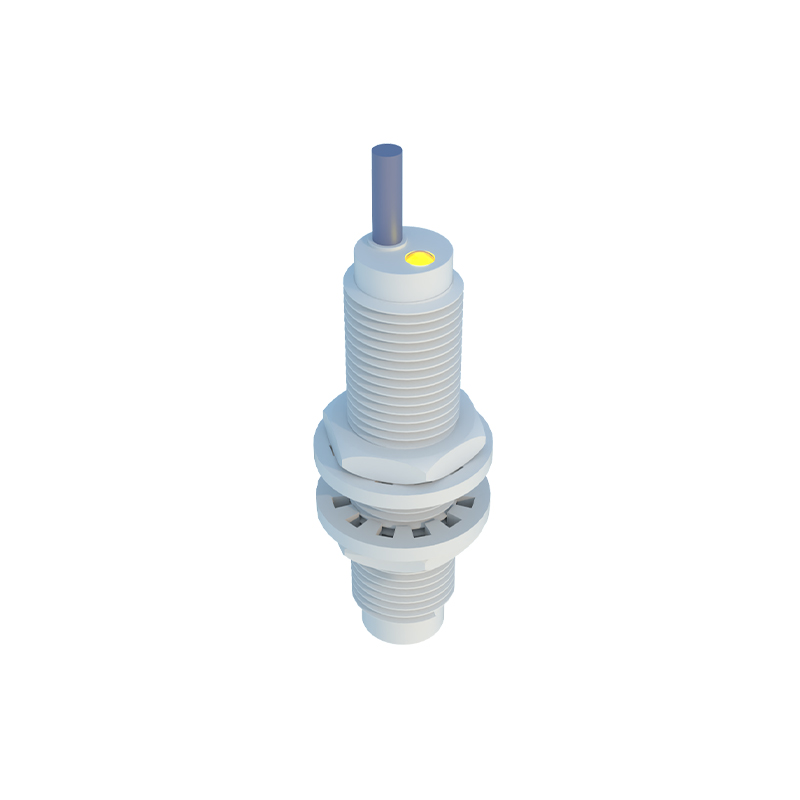
Key considerations when selecting clutch proximity sensors include sensing range, response time, environmental tolerance, and compatibility with existing systems. Sensors with longer sensing ranges, such as 10-20 mm, are suitable for large machinery, while compact designs with shorter ranges fit space-constrained applications. Fast response times, often in microseconds, are crucial for high-speed operations to prevent delays. Additionally, sensors must withstand extreme temperatures, moisture, and mechanical stress, requiring enclosures rated for IP67 or higher. Compatibility with voltage levels (e.g., 12-24V DC) and output types (e.g., PNP/NPN) ensures seamless integration into control circuits.
Maintenance and troubleshooting of clutch proximity sensors involve regular calibration, cleaning, and signal verification. Common issues include false triggers due to debris accumulation, signal interference from nearby electromagnetic sources, or wear from continuous operation. To mitigate these, users should follow manufacturer guidelines for installation, use shielded cables to reduce noise, and implement routine inspections. Advances in smart sensor technology now offer self-diagnostic features, enabling automatic alerts for faults or performance degradation, further enhancing reliability.
In summary, clutch proximity sensors are indispensable in achieving automation precision and safety. Their evolution continues with trends toward miniaturization, wireless connectivity, and enhanced durability, driving innovation in industrial sectors. By understanding their principles and applications, engineers can leverage these sensors to optimize system performance and adapt to future technological demands.