Proximity sensors have become indispensable components in the realm of industrial automation and beyond, offering non-contact detection capabilities that enhance efficiency, safety, and reliability. These devices operate by emitting an electromagnetic field or a beam of electromagnetic radiation, detecting changes when an object enters their sensing range. Their versatility allows for deployment across diverse sectors, from manufacturing to consumer electronics, making them a cornerstone of modern technological systems.
In industrial manufacturing, proximity sensors are extensively utilized for object detection, positioning, and counting on assembly lines. For instance, in automotive production, they ensure precise placement of parts, monitor conveyor belt movements, and trigger robotic arms for welding or painting tasks. Their ability to function in harsh environments—resistant to dust, moisture, and extreme temperatures—makes them ideal for heavy machinery and factory floors. Additionally, in packaging industries, these sensors help in detecting product presence, controlling filling levels, and verifying seal integrity, thereby reducing waste and improving throughput.
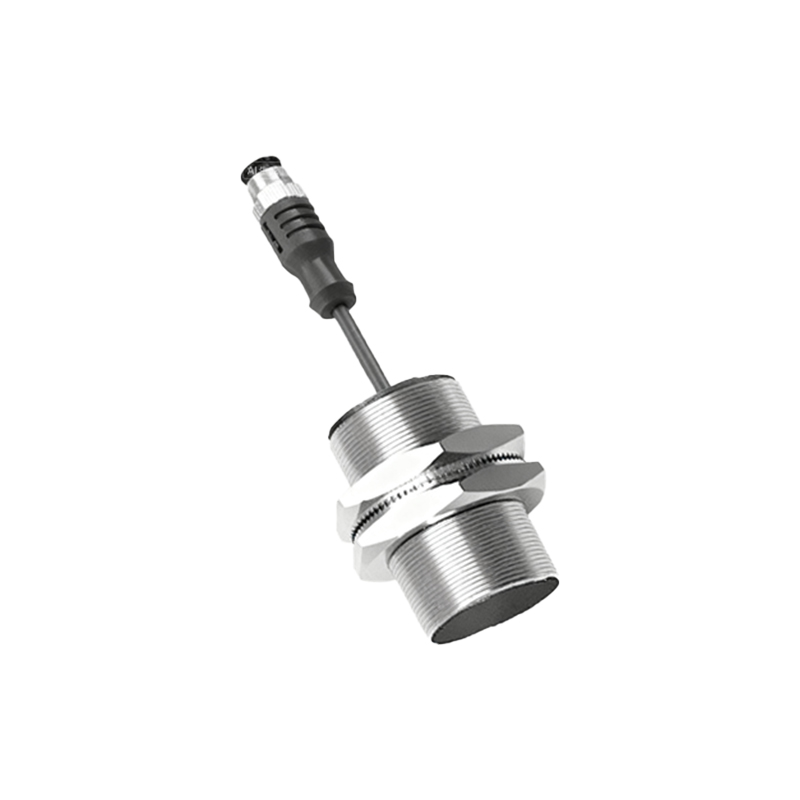
The aerospace and defense sectors rely on proximity sensors for critical applications such as landing gear monitoring, door position sensing, and obstacle detection in unmanned aerial vehicles (UAVs). Their high accuracy and fast response times are crucial for ensuring operational safety and compliance with stringent regulations. Similarly, in the energy sector, proximity sensors are employed in wind turbines to monitor blade positions and in oil refineries to detect valve movements, preventing equipment failures and minimizing downtime.
Consumer electronics have also embraced proximity sensor technology. Smartphones use them to disable touchscreens during calls, preventing accidental inputs, while laptops incorporate sensors to conserve power by dimming screens when users are not present. Home automation systems leverage these sensors for lighting control, security alarms, and smart appliances, enhancing user convenience and energy efficiency. In the automotive industry, beyond manufacturing, proximity sensors are integral to advanced driver-assistance systems (ADAS), enabling features like parking assistance, blind-spot detection, and collision avoidance.
Healthcare applications include medical devices where proximity sensors ensure sterile environments by detecting hand presence for automatic sanitizer dispensers or controlling surgical equipment movements. They also play a role in patient monitoring systems, such as bed occupancy sensors that alert staff to movements, improving care quality.
Emerging trends, such as the Internet of Things (IoT) and Industry 4.0, are expanding the scope of proximity sensors. Integrated into smart factories, they facilitate real-time data collection and predictive maintenance, optimizing supply chains and reducing operational costs. In robotics, these sensors enable precise navigation and object manipulation, supporting collaborative robots (cobots) that work safely alongside humans.
Despite their advantages, challenges like interference from other electronic devices or material-specific limitations (e.g., detecting non-metallic objects) persist. Ongoing advancements in sensor technology, including the development of capacitive and ultrasonic variants, are addressing these issues, broadening application potential. As industries continue to automate and digitize, proximity sensors will remain pivotal, driving innovation and efficiency across global markets. Their adaptability and reliability underscore their importance in shaping a smarter, more connected world.