In the realm of industrial automation, proximity sensors and encoders play pivotal roles in ensuring precision, safety, and efficiency. These devices are fundamental components in modern electrical and control systems, enabling machines to interact with their environment and perform complex tasks with minimal human intervention. This article delves into the principles, types, and applications of proximity sensors and encoders, highlighting their significance in various industries.
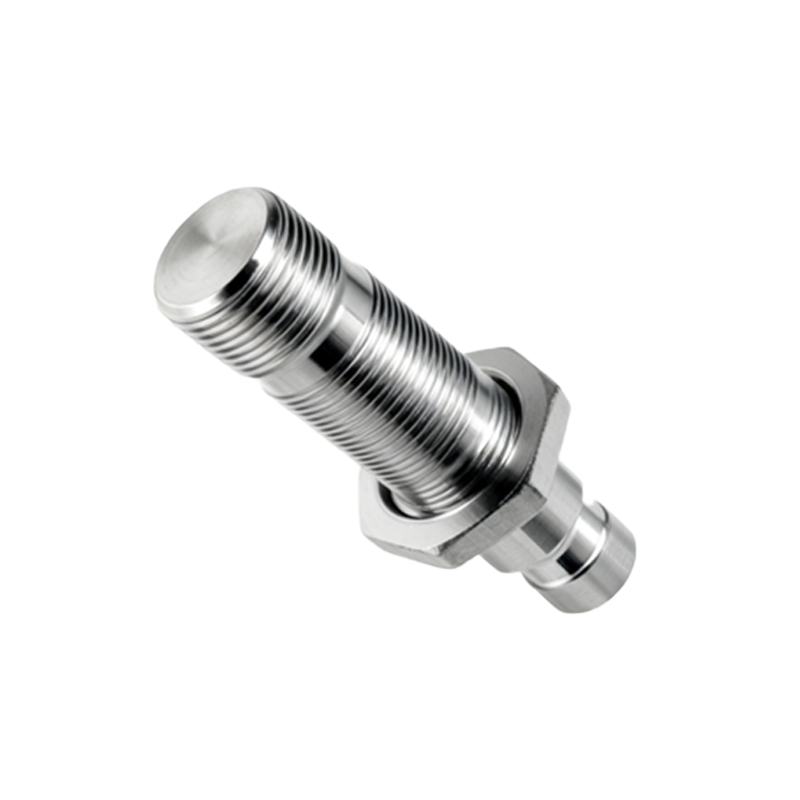
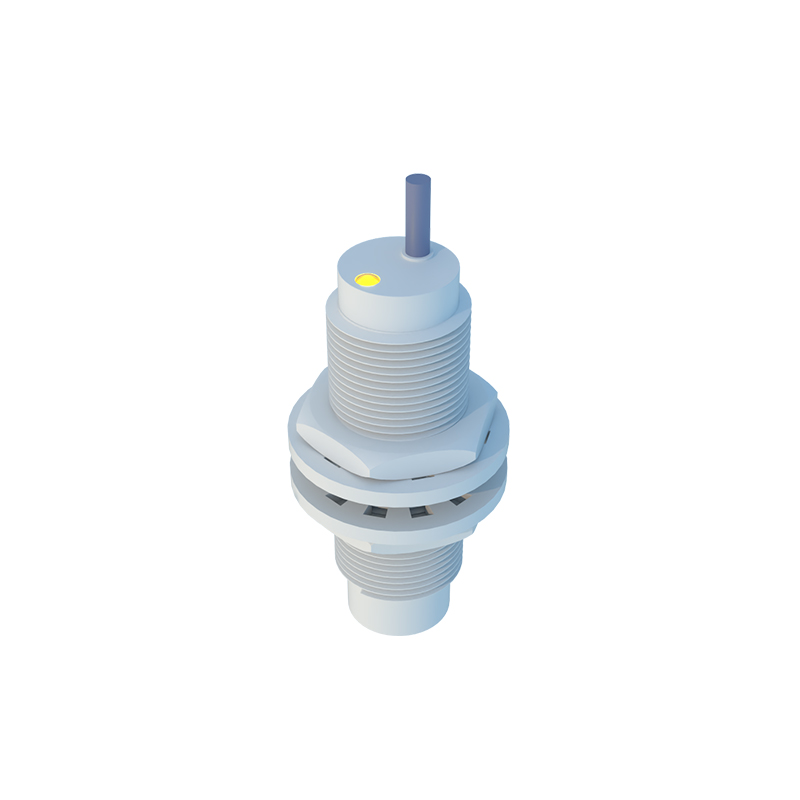
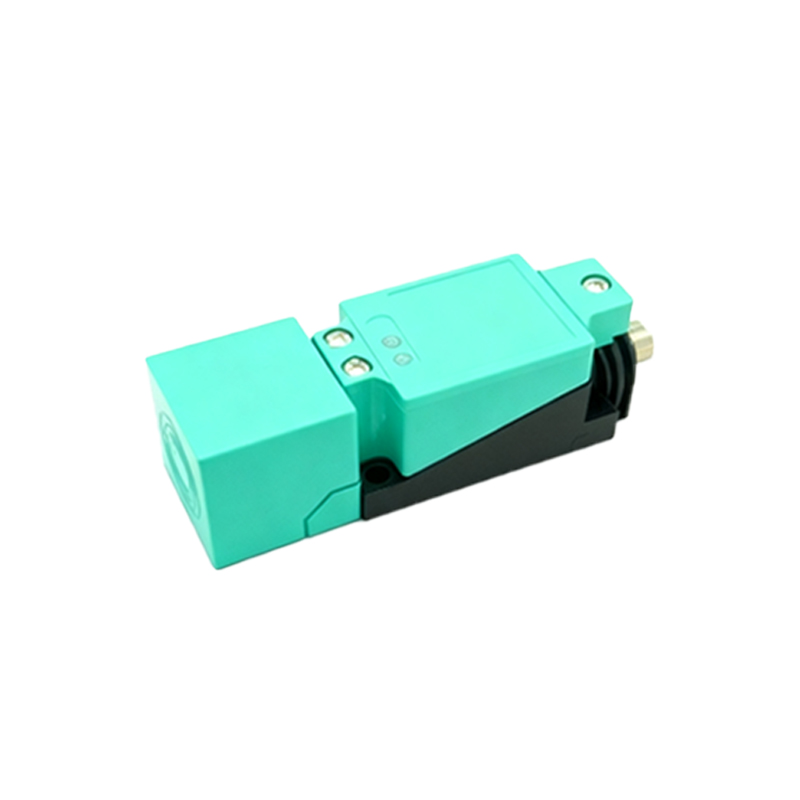
Proximity sensors are non-contact devices that detect the presence or absence of an object within a specific range. They operate based on different physical principles, including inductive, capacitive, and magnetic technologies. Inductive proximity sensors are commonly used for detecting metallic objects. They generate an electromagnetic field and sense changes caused by metallic targets, making them ideal for harsh industrial environments where dust, oil, or moisture is present. Capacitive proximity sensors, on the other hand, can detect both metallic and non-metallic materials by measuring changes in capacitance. They are often employed in applications involving liquids, plastics, or granular materials. Magnetic proximity sensors utilize reed switches or Hall-effect sensors to detect magnetic fields, typically used in safety systems or position sensing.
The key advantages of proximity sensors include their durability, fast response times, and ability to operate without physical contact, reducing wear and tear. In manufacturing, they are integral to assembly lines for object detection, counting, and positioning. For instance, in automotive production, inductive sensors ensure components are correctly aligned before welding, while capacitive sensors monitor fluid levels in tanks. Their reliability contributes to reduced downtime and enhanced productivity.
Encoders, in contrast, are devices that convert motion or position into an electrical signal, providing feedback for control systems. They are categorized into two main types: incremental and absolute encoders. Incremental encoders generate pulses as the shaft rotates, allowing systems to track speed, direction, and relative position. However, they require a reference point upon startup. Absolute encoders provide a unique digital code for each shaft position, offering immediate position data even after power loss, which is crucial for applications requiring precise positioning, such as robotics or CNC machines.
Encoders can be further classified based on their technology, including optical, magnetic, and inductive variants. Optical encoders use a light source and photodetector to read patterns on a disc, offering high resolution and accuracy. Magnetic encoders rely on magnetic fields and are more resistant to contaminants like dust or vibration, making them suitable for rugged environments. Inductive encoders combine elements of both, providing robust performance in industrial settings.
The integration of proximity sensors and encoders in automation systems enhances functionality. For example, in conveyor systems, proximity sensors detect items on the belt, while encoders monitor belt speed and position to synchronize operations. In robotics, encoders ensure accurate joint movements, and proximity sensors prevent collisions by detecting obstacles. This synergy supports Industry 4.0 initiatives, enabling smart factories with real-time data collection and adaptive control.
When selecting these devices, engineers must consider factors such as environmental conditions, required accuracy, and communication protocols. Proximity sensors should be chosen based on sensing range, material compatibility, and output type (e.g., PNP or NPN). For encoders, resolution, interface (e.g., analog, digital, or fieldbus), and mechanical compatibility are critical. Regular maintenance, including cleaning and calibration, is essential to sustain performance and longevity.
In summary, proximity sensors and encoders are indispensable in advancing industrial automation. Their ability to provide reliable sensing and feedback drives innovation across sectors like manufacturing, energy, and transportation. As technology evolves, trends such as miniaturization, wireless connectivity, and IoT integration are shaping the next generation of these devices, promising even greater efficiency and intelligence in automated systems. By understanding their capabilities and applications, engineers can optimize system design and contribute to safer, more productive industrial environments.