In the dynamic arena of physics and engineering competitions, the selection and application of sensors can be the decisive factor between a winning design and a functional prototype. Among the myriad of sensing technologies available, proximity sensors stand out for their versatility, reliability, and critical role in enabling autonomous and precise mechanical interactions. This article delves into the operational principles, common types, and strategic implementation of proximity sensors within the context of competitive physics and robotics challenges.
At its core, a proximity sensor is a device that detects the presence or absence of an object within a specified range without physical contact. This non-contact operation is paramount in competitions where speed, repeatability, and minimal mechanical wear are essential. The fundamental working principle involves emitting a field or beam of electromagnetic radiation (like infrared light, ultrasonic sound, or a magnetic field) and analyzing the changes in the return signal caused by a target object. The sensor's output typically switches states (e.g., from high to low voltage) when an object enters its detection zone, providing a clean digital signal for a microcontroller.
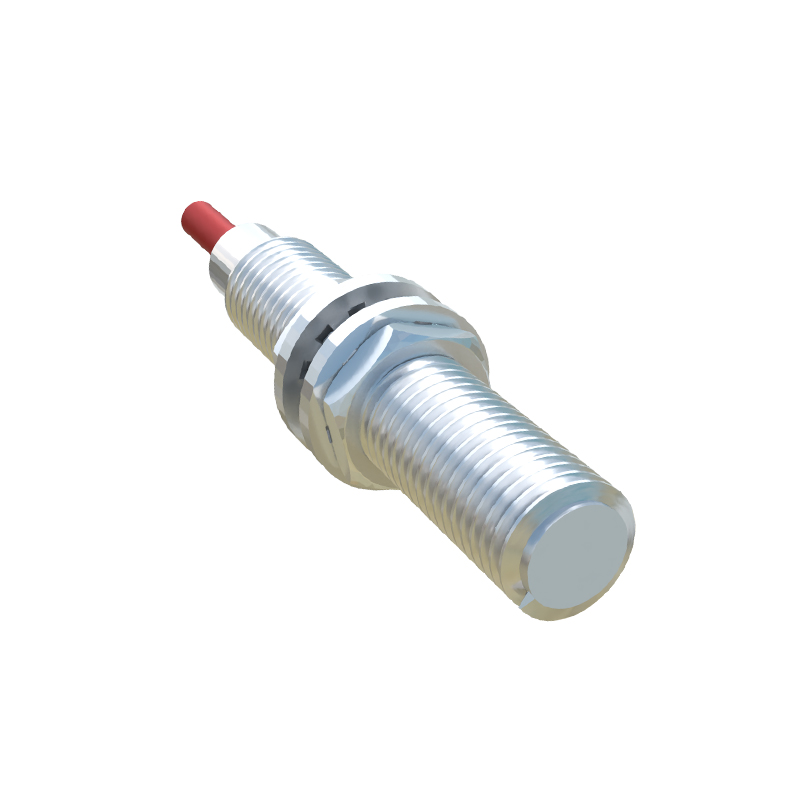
Several types of proximity sensors are prevalent in competition circuits, each with distinct advantages. Inductive proximity sensors are workhorses for detecting metallic objects. They generate an oscillating electromagnetic field; when a metal target enters this field, it induces eddy currents, causing a change in oscillation amplitude that triggers detection. These sensors are exceptionally robust, immune to environmental factors like dust or oil, and are ideal for tasks like counting gear teeth or detecting a metal arm on a rotating mechanism. However, their limitation to metals is a key consideration.
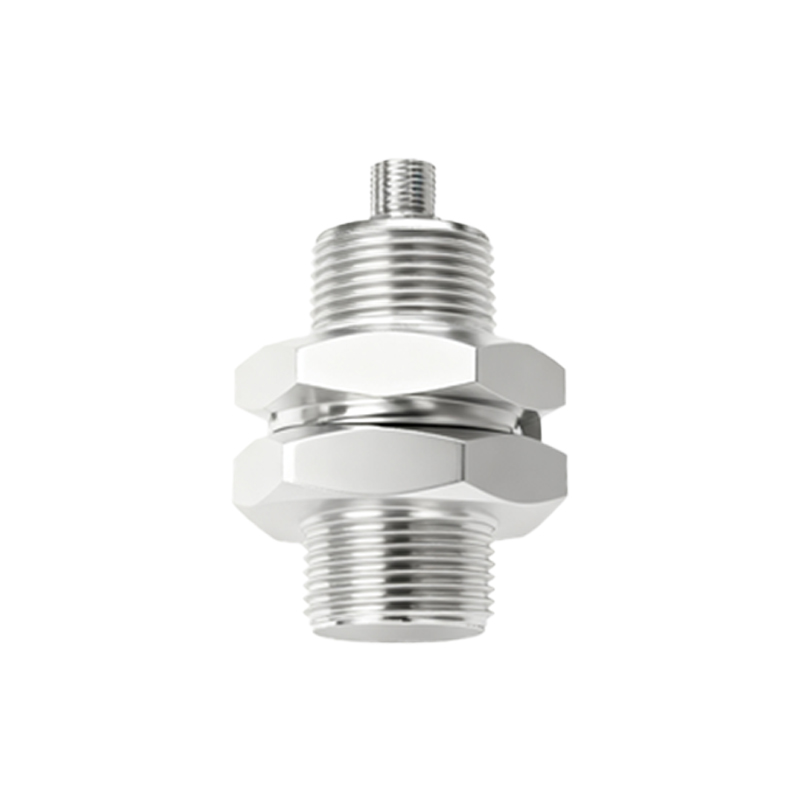
For non-metallic targets, including plastics, wood, and liquids, capacitive proximity sensors are the go-to choice. They function by detecting changes in capacitance. The sensor face and the target act as two plates of a capacitor. As a target approaches, the capacitance increases, and the sensor's internal circuit detects this shift. These sensors can even detect materials through thin non-metallic barriers, adding to their versatility in enclosed designs. Meanwhile, photoelectric sensors, particularly infrared (IR) reflector types, are ubiquitous for general object detection. They consist of an IR LED emitter and a phototransistor receiver. In a common configuration, the sensor detects light reflected back from an object. Their range is adjustable, and they are excellent for detecting objects of various materials, though ambient light and color reflectivity can sometimes interfere.
Ultrasonic sensors represent another powerful category, measuring distance by calculating the time-of-flight of sound waves. They emit a high-frequency pulse and listen for the echo. The time delay is proportional to the distance to the object. While slightly slower in response than inductive or photoelectric sensors, they provide precise range data, which is invaluable for navigation, obstacle avoidance, and precise positioning in robotics competitions like maze solvers or autonomous vehicles.

Strategic implementation in a competition setting goes beyond simple hookup. Engineers must consider sensor selection based on the target material, required detection range, response speed, environmental conditions (e.g., arena lighting, acoustic noise), and immunity to electrical interference from motors or other actuators. Mounting is critical; sensors must be securely positioned to maintain consistent alignment and avoid vibration-induced false triggers. Signal conditioning is often necessary. While many modern sensors provide digital outputs, analog signals from distance-measuring sensors may require filtering to reduce noise before being read by a microcontroller's analog-to-digital converter.
Furthermore, integrating sensor data into control algorithms is where the true competitive edge is forged. For instance, a line-following robot uses an array of IR reflectance sensors to modulate motor speeds via a proportional-integral-derivative (PID) controller. A robotic arm might use an inductive sensor as a "home" position switch to ensure repeatable calibration. Effective use of interrupts—allowing the microcontroller to immediately respond to a sensor's signal rather than polling it continuously—can drastically improve system responsiveness and efficiency.
In conclusion, proximity sensors are indispensable tools in the physics competitor's toolkit. A deep understanding of their underlying physics—from electromagnetic induction to capacitive coupling and time-of-flight measurement—enables competitors to make informed choices. Success hinges on selecting the right sensor for the task and mastering its integration into a robust, intelligent control system. This synthesis of theoretical knowledge and practical implementation is the hallmark of a champion engineering team, transforming simple detection into decisive competitive action.