In the world of industrial automation, process control, and safety systems, infrared (IR) laser sensors are indispensable components. A common and critical question from engineers, system integrators, and procurement specialists is: "How long do these sensors last?" The answer is not a simple number of hours or years, as the operational lifespan of an infrared laser sensor is influenced by a complex interplay of its inherent design, the application environment, and maintenance practices. Understanding these factors is key to maximizing your return on investment and ensuring system reliability.
At its core, the longevity of an IR laser sensor is primarily determined by the lifetime of its two key internal components: the laser diode (the emitter) and the photodetector (the receiver). Modern laser diodes used in industrial sensors are typically rated for tens of thousands of hours of continuous operation. For instance, a high-quality diode might have a rated lifespan of 50,000 to 100,000 hours. Under ideal, laboratory-like conditions—stable temperature, clean environment, and constant drive current within specifications—this translates to many years of service. The photodetector, often a phototransistor or photodiode, generally has an even longer potential lifespan if not subjected to electrical or optical overload.
However, the real-world application environment is far from ideal. The most significant factor degrading sensor lifespan is operating temperature. Excessive heat is the primary enemy of semiconductor devices like laser diodes. Operating a sensor consistently above its maximum rated ambient temperature, often around 70°C for industrial models, can accelerate aging exponentially, potentially reducing diode life by half for every 10°C rise above its nominal operating point. Conversely, extremely cold environments can also affect performance and mechanical integrity. Proper heat sinking and ensuring adequate airflow around the sensor housing are crucial.
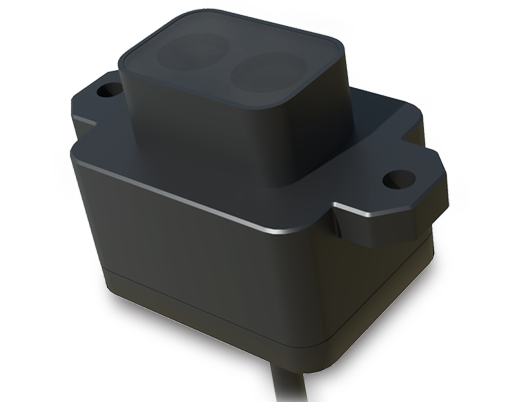
Environmental contaminants pose another major threat. Dust, oil mist, coolant, and other particulates can coat the sensor's lens, attenuating the emitted and received signal. This forces the sensor's internal circuitry to work harder, often increasing drive current to maintain signal integrity, which in turn generates more heat and stresses the laser diode. In corrosive atmospheres, the sensor housing and lens material themselves can degrade. Selecting a sensor with an appropriate Ingress Protection (IP) rating (e.g., IP67 for dust and temporary immersion) and a suitable lens material (e.g., glass for harsh chemicals) is a proactive step toward longevity.
Electrical factors are equally critical. Voltage spikes, transients, and improper wiring can cause instantaneous failure. Using a stable, regulated power supply and implementing surge protection on the power lines are essential safeguards. Furthermore, the electrical load on the output circuit (if it's a switching output) must be within specifications to prevent damage to the output transistor.
The duty cycle and inherent robustness of the design also play a role. A sensor used in a continuous scanning application at high frequency may experience more thermal stress than one used for intermittent detection. Manufacturers build sensors with different durability levels; a ruggedized sensor designed for heavy machinery will typically incorporate more robust components and better protection than a standard model, commanding a higher price but offering a longer expected service life in demanding conditions.
So, what is a realistic expectation? In a controlled, clean factory environment with stable power and temperate conditions, a quality infrared laser sensor can easily operate reliably for 5 to 10 years or more. In harsh environments—such as welding cells, foundries, or outdoor applications—this lifespan can be significantly shorter, perhaps 1 to 3 years, without proper protection and maintenance.
Therefore, the question of "how long" is best answered by a focus on maximization. To extend the operational life of your IR laser sensors:
1. Select Appropriately: Choose a sensor with specifications (temperature range, IP rating, housing material) that exceed your application's normal conditions.
2. Install Correctly: Ensure proper mounting, alignment, and wiring. Provide adequate clearance for heat dissipation.
3. Implement Protection: Use protective housings, air purges, or physical barriers in dirty or hazardous environments.
4. Maintain Proactively: Establish a routine cleaning schedule using appropriate methods and materials to keep lenses clear. Periodically check alignment and performance.
5. Power Cleanly: Invest in clean, stable power supplies and surge protection.
In conclusion, while the theoretical lifespan of an infrared laser sensor's core components is impressive, the practical service life is dictated by its treatment in the field. There is no universal expiration date. By understanding the stressors and implementing sound selection, installation, and maintenance practices, engineers can ensure these critical devices deliver reliable performance for many years, minimizing downtime and replacement costs. The ultimate lifespan is, to a large degree, in the hands of the user.