In the field of electrical engineering and industrial automation, miniature proximity sensors play a critical role in detecting the presence or absence of objects without physical contact. These sensors are widely used in applications such as robotics, manufacturing lines, and safety systems, where precision and reliability are paramount. To ensure consistency, safety, and interoperability across various devices, national standard specifications have been established. This article delves into the key aspects of these standards, focusing on their importance, core requirements, and practical implications for engineers and manufacturers.
National standards for miniature proximity sensors typically cover a range of technical parameters, including sensing distance, output types, electrical characteristics, and environmental durability. For instance, standards often specify the maximum and minimum detection ranges based on sensor size and technology, such as inductive, capacitive, or ultrasonic types. This helps in selecting the right sensor for specific applications, reducing errors and enhancing system efficiency. Additionally, output specifications—like NPN or PNP transistor outputs, analog signals, or digital interfaces—are standardized to ensure compatibility with control systems and PLCs (Programmable Logic Controllers).
Electrical characteristics, such as operating voltage, current consumption, and response time, are also defined in these standards. For example, a common requirement might be a voltage range of 10-30 V DC, with low power consumption to support energy-efficient designs. Response time, crucial for high-speed operations, is often set to microseconds to milliseconds, depending on the sensor type. These specifications not only improve performance but also contribute to safety by preventing overloads or malfunctions in electrical circuits.
Environmental factors are another key component of national standards. Miniature proximity sensors must often operate in harsh conditions, including extreme temperatures, humidity, vibration, and exposure to chemicals. Standards outline testing methods and ratings, such as IP (Ingress Protection) codes for dust and water resistance, to ensure durability and longevity. For instance, an IP67 rating indicates that the sensor is dust-tight and can withstand temporary immersion in water, making it suitable for outdoor or wet environments.
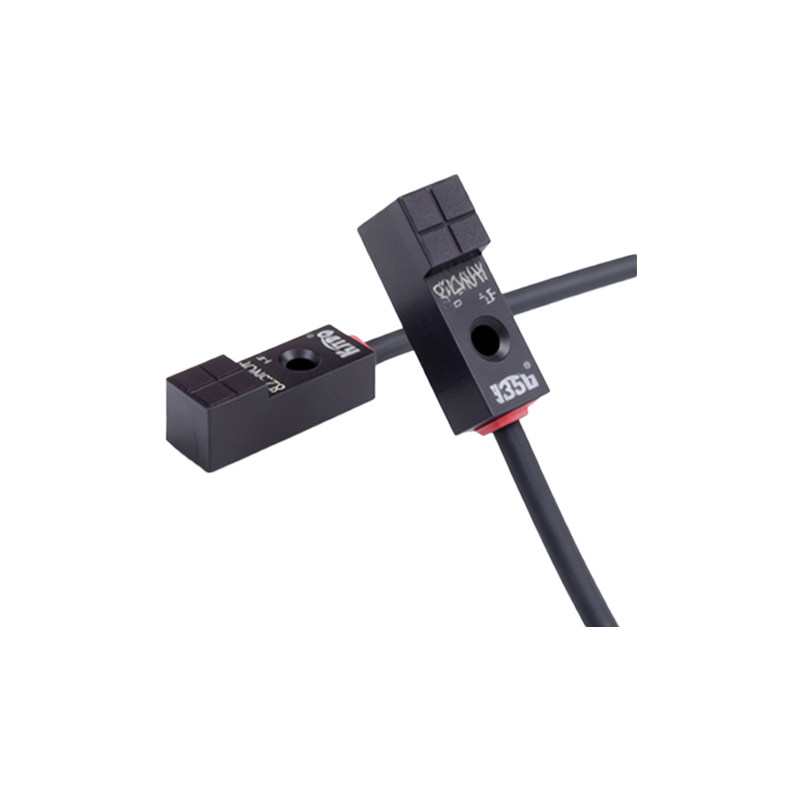
Compliance with national standards is not just a regulatory hurdle; it offers significant benefits. For engineers, adhering to these guidelines simplifies the design process, as standardized components are easier to integrate and troubleshoot. Manufacturers benefit from reduced production costs and increased market access, as compliant products are more likely to be accepted globally. Moreover, end-users gain confidence in the reliability and safety of sensors, leading to fewer downtime incidents and lower maintenance costs.
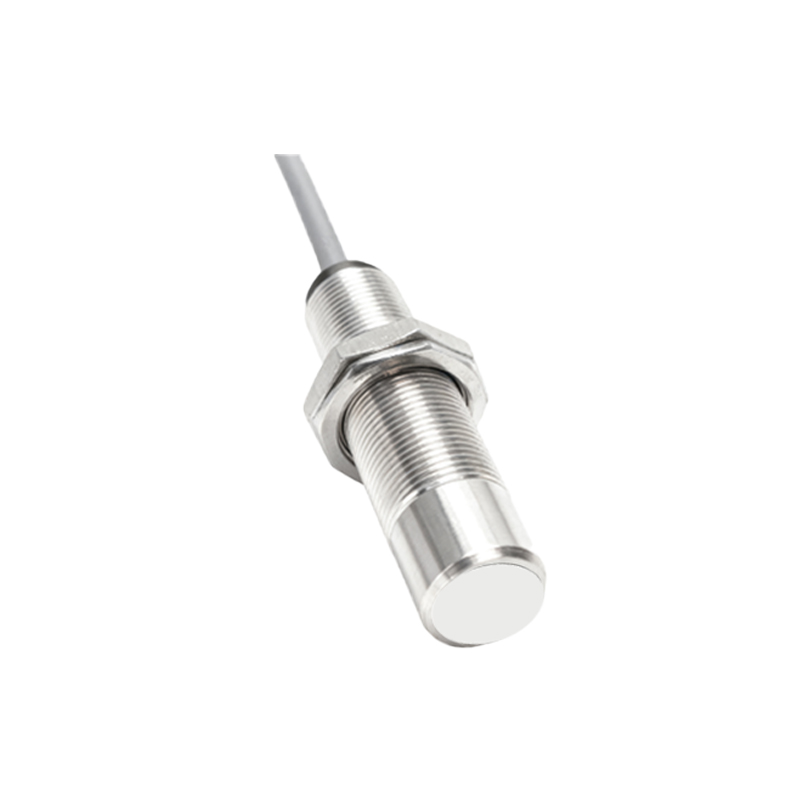
In practice, implementing these standards requires careful attention to detail during the development and testing phases. Engineers should refer to specific standard documents, such as those published by organizations like IEC (International Electrotechnical Commission) or ANSI (American National Standards Institute), which often align with national regulations. Regular audits and certifications, such as CE marking or UL listing, can help verify compliance and enhance product credibility.
Looking ahead, as technology evolves, national standards for miniature proximity sensors are likely to adapt to new trends, such as IoT integration and smart manufacturing. Future updates may include provisions for wireless connectivity, data encryption, and energy harvesting capabilities. Staying informed about these changes is essential for professionals in the electrical industry to maintain competitiveness and innovation.
In summary, understanding and applying national standard specifications for miniature proximity sensors is vital for ensuring quality, safety, and efficiency in electrical engineering projects. By following these guidelines, engineers and manufacturers can create robust solutions that meet the demands of modern industrial applications.