In industrial automation and machinery, proximity sensors are indispensable components for non-contact detection of objects. Their reliability is paramount for ensuring smooth operations, safety, and productivity. However, like all electronic devices, they are susceptible to failure. Recognizing the early signs of a failing or damaged proximity sensor is crucial for preventing costly downtime, product defects, or even safety incidents. This article details the common manifestations of proximity sensor damage, providing engineers and maintenance personnel with a clear diagnostic guide.
The most immediate and obvious sign of a malfunctioning proximity sensor is a complete loss of detection. The sensor fails to register the presence of a target object within its specified sensing range, even when the object is correctly positioned. This results in the output signal (whether PNP, NPN, analog, or IO-Link) not switching as expected. The controlled machine element, such as a conveyor belt, robotic arm, or safety gate, may not activate or may halt unexpectedly. Before concluding sensor failure, it is essential to perform basic checks: verify power supply voltage, inspect wiring for breaks or loose connections, and ensure the target object's material, size, and approach speed are within the sensor's specifications. Environmental factors like accumulated metal chips or dirt on the sensing face can also mimic a failure.
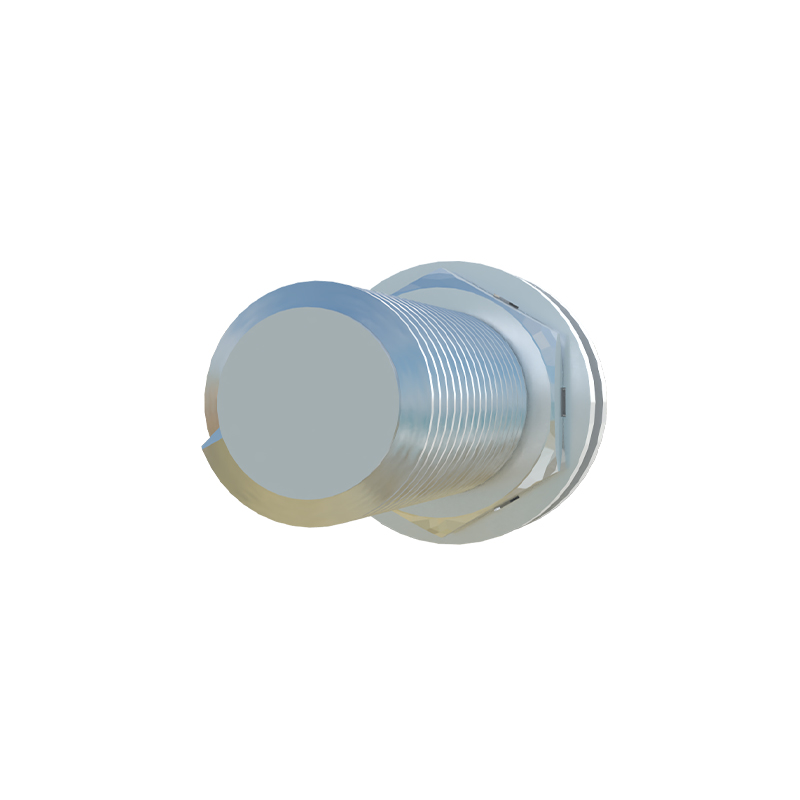
Intermittent or erratic operation is another classic symptom of a deteriorating sensor. The sensor may detect objects inconsistently, sometimes triggering correctly and other times failing. This flaky behavior is often more problematic than a total failure because it creates unpredictable process interruptions that are difficult to troubleshoot. Common causes include internal component fatigue, damaged or vibrating cables leading to intermittent shorts or opens, or a power supply that is unstable or has excessive ripple. Proximity sensors operating in environments with strong electromagnetic interference (EMI) from motors, welders, or variable frequency drives (VFDs) may also exhibit erratic switching. Shielding and proper grounding are critical checks in such scenarios.
A reduction in the effective sensing range is a subtle but significant indicator of potential damage. The sensor might only detect objects when they are brought abnormally close, failing to operate at its rated distance. This can be caused by aging of the internal oscillator coil, degradation of the sensing face material, or physical damage to the sensor housing that misaligns internal components. For inductive sensors, a change in the characteristics of the target material (e.g., a switch from mild steel to stainless steel) can also reduce range, but this is an application error, not sensor damage. Regularly testing the maximum trigger distance during preventive maintenance can help identify this gradual degradation.
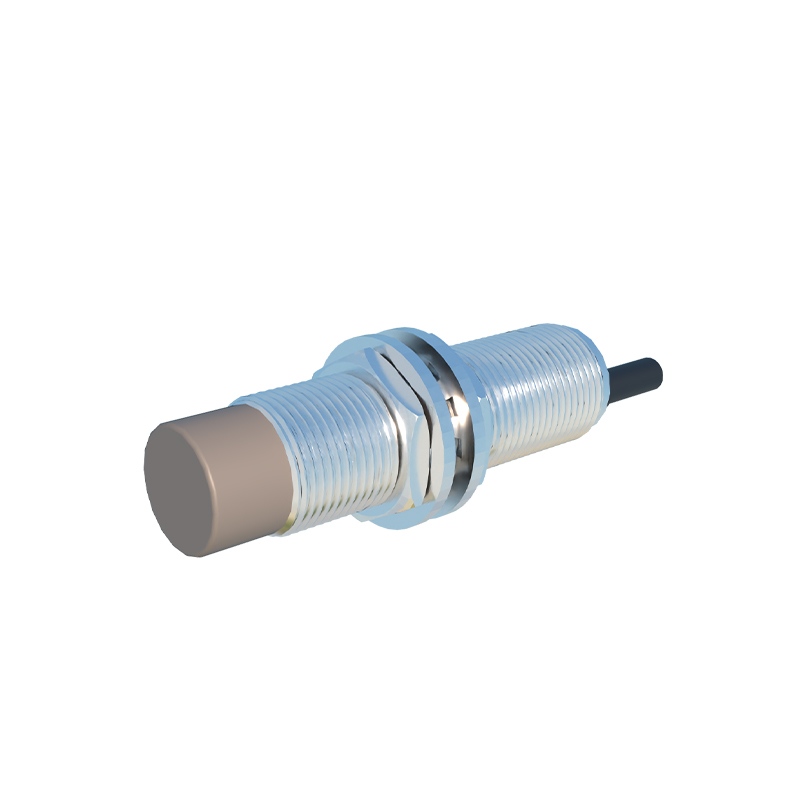
False triggering is the opposite problem: the sensor activates without a target object present. This can cause machinery to cycle unexpectedly, posing a serious safety hazard. Causes can be both external and internal. Externally, sensors may detect unintended metal objects in the vicinity, such as moving machine parts, brackets, or even tools left nearby. Vibrations can also cause internal components to make momentary contact. Internally, false triggers can stem from electrical noise ingress, a failing output transistor that "leaks," or damage from voltage spikes or overcurrent conditions. Installing a snubber circuit or checking for proper surge protection might be necessary.
Physical and environmental damage often provides visible clues. Cracks in the housing, especially the sensing face, can allow moisture, coolants, or conductive contaminants to seep in, leading to short circuits or corrosion. Discoloration or melting of the housing indicates exposure to excessive heat beyond the sensor's rated temperature. For sensors in washdown environments, a compromised IP rating (e.g., IP67, IP69K) due to a damaged seal will lead to internal condensation and failure. Always inspect sensors for visible signs of impact, chemical corrosion, or abrasion.
Finally, abnormal electrical readings are a definitive diagnostic tool. Using a multimeter, measure the supply voltage at the sensor terminals under load. Check the output signal. A sinking (NPN) sensor that shows a voltage close to the supply when active, or a sourcing (PNP) sensor that shows near 0V, might have a stuck output. Monitoring the current draw can also reveal issues; a current significantly higher than the datasheet's quiescent current may indicate an internal short, while a very low current may suggest an open circuit. For analog sensors, the output signal may not scale linearly with distance or may show excessive noise.
In summary, proximity sensor failure manifests through operational symptoms like no detection, intermittent operation, reduced range, and false triggers, supported by physical damage and abnormal electrical measurements. A systematic approach to troubleshooting—starting with the simplest external factors (power, wiring, target, environment) before suspecting the sensor itself—is most efficient. Keeping spare sensors