In the realm of industrial automation, the selection of sensing technology is pivotal for ensuring operational efficiency, safety, and reliability. Two prominent contenders in this domain are fiber optic sensors and proximity switches, each offering distinct advantages tailored to specific applications. This article delves into their operational principles, comparative benefits, and ideal use cases, providing a comprehensive guide for engineers and decision-makers.
Fiber optic sensors operate by transmitting light through optical fibers to detect changes in intensity, phase, or wavelength caused by external factors such as displacement, temperature, or pressure. These sensors are renowned for their immunity to electromagnetic interference (EMI), making them ideal for environments with high electrical noise, such as near motors or welding equipment. Additionally, they can function in extreme temperatures, corrosive atmospheres, and hazardous areas where explosive gases may be present, thanks to their non-electrical nature. Their small sensing heads allow for precise detection in confined spaces, and they are capable of long-distance signal transmission without degradation. Common applications include position sensing in semiconductor manufacturing, liquid level detection in chemical plants, and vibration monitoring in aerospace.
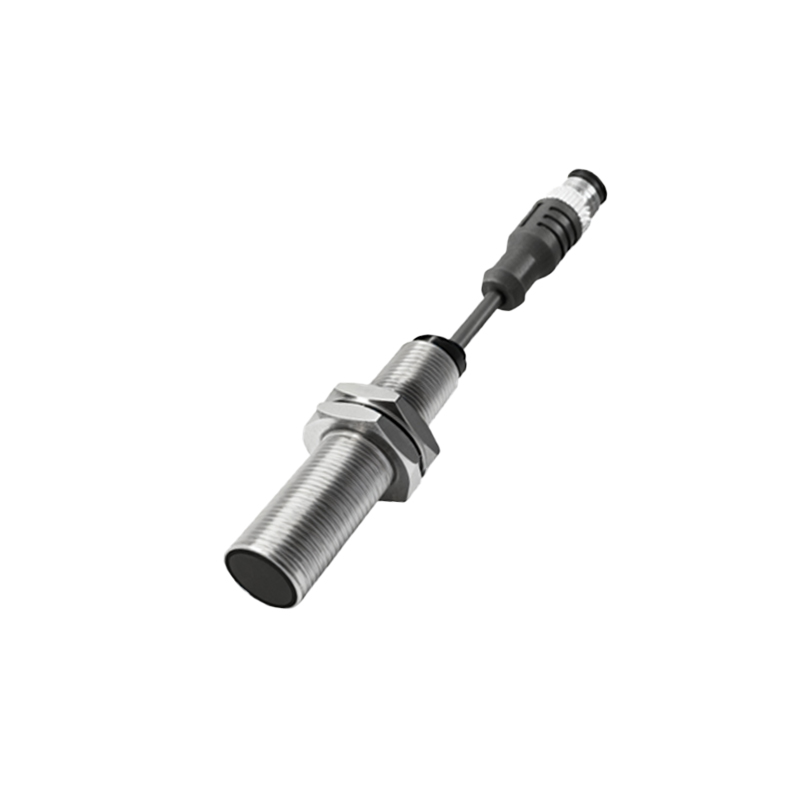
In contrast, proximity switches are electronic devices that detect the presence or absence of an object without physical contact, typically using inductive, capacitive, or ultrasonic principles. Inductive proximity switches, for instance, generate an electromagnetic field to sense metallic objects, while capacitive variants can detect non-metallic materials like plastics or liquids. These switches are valued for their robustness, simplicity, and cost-effectiveness in standard industrial settings. They offer fast response times and are easy to install and maintain, making them a go-to choice for tasks such as object counting on conveyor belts, limit switching in machinery, and part presence verification in assembly lines. However, they may be susceptible to EMI and are less suitable for harsh environments involving extreme temperatures or corrosive substances.
When comparing the two, fiber optic sensors excel in scenarios demanding high precision, environmental resilience, and safety in hazardous conditions. Their ability to perform in EMI-heavy or explosive atmospheres without risk of sparking is a significant advantage. On the other hand, proximity switches shine in general-purpose applications where cost, durability, and ease of use are priorities. They are often more economical for large-scale deployments and require minimal configuration. For engineers, the choice hinges on factors like the target material, environmental challenges, required sensing distance, and budget constraints. In practice, a hybrid approach may be adopted, leveraging fiber optics for critical, sensitive areas and proximity switches for routine detection tasks.
Looking ahead, advancements in both technologies continue to shape industrial automation. Fiber optic sensors are evolving with multiplexing capabilities and enhanced sensitivity, while smart proximity switches integrate IoT connectivity for predictive maintenance. By understanding their strengths and limitations, professionals can optimize sensor selection to drive innovation and efficiency in modern manufacturing and beyond.