In the realm of industrial automation and electrical engineering, the demand for reliable sensing solutions in high-voltage environments is paramount. Customized high voltage proximity sensors represent a critical intersection of precision engineering and application-specific design, tailored to operate safely and accurately where standard sensors would fail. These specialized devices are engineered to detect the presence or absence of metallic objects without physical contact, even in the presence of intense electric fields, electromagnetic interference (EMI), and potential arc flash hazards common in power generation, transmission, and heavy industrial settings.
The core challenge in high-voltage proximity sensor customization lies in insulation and dielectric strength. Standard sensors typically operate at lower control voltages, such as 24V DC. In contrast, a customized sensor for high-voltage applications must be designed with robust insulation materials, extended creepage and clearance distances, and specialized housing to prevent dielectric breakdown. Engineers often specify materials like PTFE (Teflon), ceramic, or specially formulated epoxy resins that can withstand continuous exposure to potentials ranging from several kilovolts to hundreds of kilovolts. The sensing face and body are meticulously designed to eliminate sharp edges where corona discharge could initiate, a critical consideration for longevity and safety.
Another pivotal aspect is the sensing technology itself. While inductive proximity sensors are common for metal detection, their performance can be severely impacted by nearby high-voltage conductors. Customization may involve shielding techniques, frequency modulation of the oscillator circuit to avoid harmonic interference from power lines, or even a shift to alternative technologies like capacitive or ultrasonic sensing for specific non-metallic target applications in high-voltage zones. The output circuitry is also a focal point; designers often opt for galvanically isolated outputs, such as fiber-optic interfaces or relays with high isolation ratings, to ensure the low-voltage control system remains completely separated from the high-voltage side. This isolation is not merely a performance feature but a fundamental safety requirement.
The customization process is inherently collaborative. It begins with a thorough analysis of the application parameters: the nominal and peak voltage levels, the type of voltage (AC or DC, power frequency or high-frequency), ambient temperature, pollution degree (which affects surface tracking), and the required sensing distance. For instance, a sensor designed for inside a switchgear cabinet has different constraints than one mounted on a live-line maintenance robot. Engineers work closely with clients to define the mechanical form factor, mounting style, connection type, and any necessary certifications (like UL, IEC, or specific industry standards for electrical equipment).
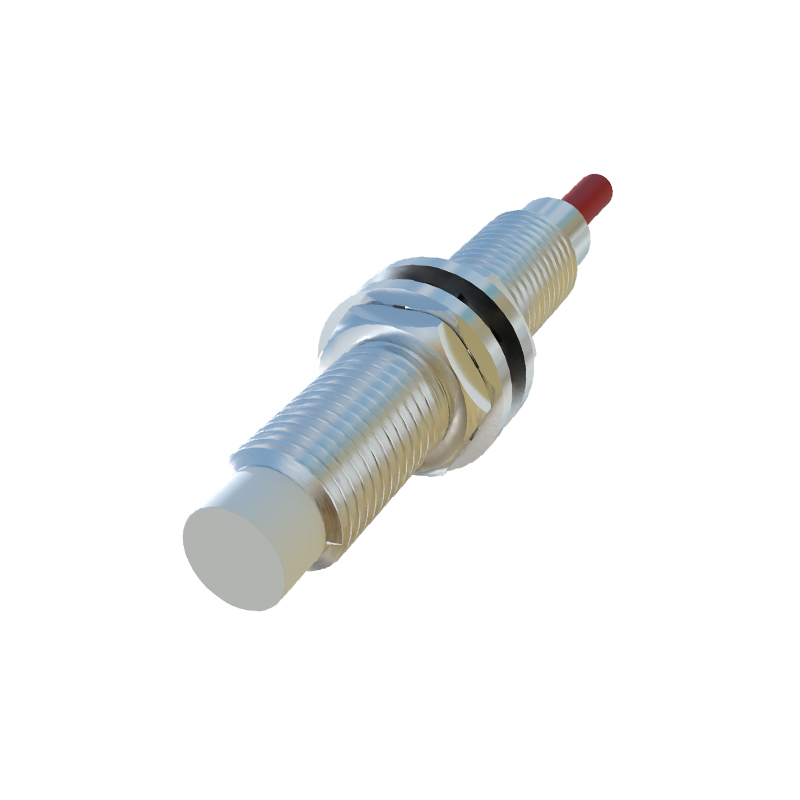
Real-world applications are diverse. In the power sector, customized high-voltage proximity sensors are integral for position feedback in circuit breaker mechanisms, detecting the closed or open state of disconnect switches in substations, or monitoring the wear of carbon brushes in high-voltage motors. In industrial manufacturing, they enable automation in processes involving high-voltage welding, electrostatic painting, or plasma treatment systems. The ability to provide a reliable digital signal in these electrically noisy and potentially dangerous environments is what makes customization not just an option but a necessity.
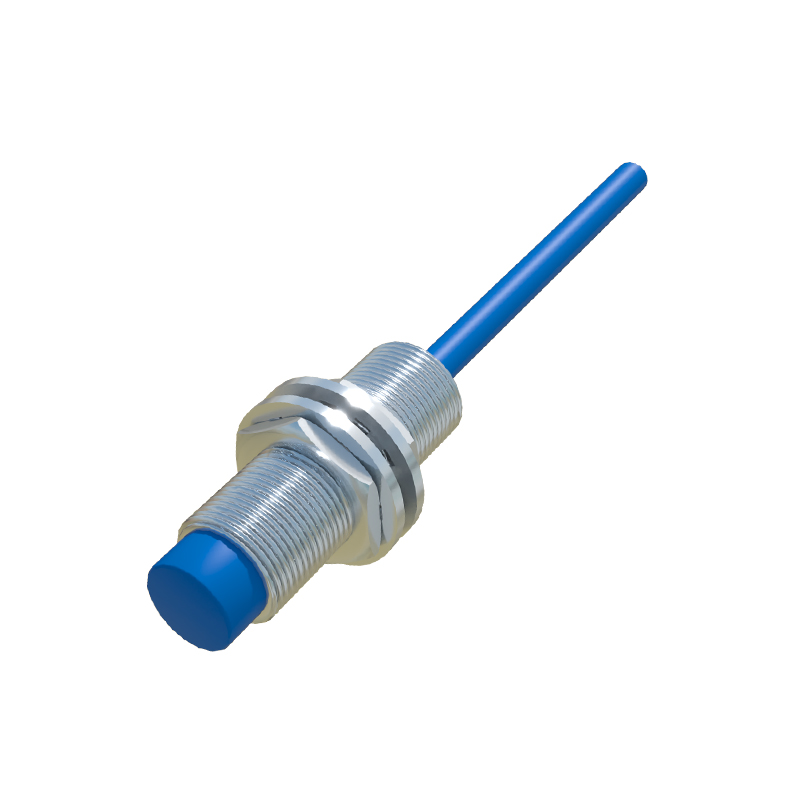
Ultimately, investing in a customized high-voltage proximity sensor solution is an exercise in risk mitigation and operational excellence. Off-the-shelf sensors pose risks of premature failure, inaccurate readings, or catastrophic insulation failure. A well-engineered custom sensor, however, delivers precise, maintenance-free operation over an extended lifecycle, ensuring both personnel safety and process reliability. It transforms a potential vulnerability into a robust, integrated component of the high-voltage system, embodying the principle that in critical engineering applications, the sensor must be as resilient as the system it serves.
The future of this niche is leaning towards smarter integration. Emerging trends include sensors with embedded condition monitoring, capable of reporting insulation resistance or temperature drift, facilitating predictive maintenance. As industries push for higher efficiencies and voltages, the role of the specialized sensor engineer becomes ever more crucial in bridging the gap between theoretical electrical requirements and practical, field-proven sensing solutions.