In the demanding environment of modern mining, proximity sensors have become indispensable components for ensuring operational safety, automating processes, and maximizing equipment longevity. These non-contact devices detect the presence or absence of nearby objects, providing critical data to control systems without physical interaction. Their robustness and reliability are paramount in an industry characterized by extreme conditions, including dust, moisture, vibration, and potential explosive atmospheres.
The core technology behind these sensors varies, with inductive, capacitive, and ultrasonic types being most prevalent in mining applications. Inductive proximity sensors are the workhorses for detecting metallic objects, such as machinery parts, buckets, or conveyor components. They generate an electromagnetic field, and when a metal target enters this field, it induces eddy currents, causing a change in the sensor's oscillation amplitude. This change is then converted into a switch signal. Their sealed, all-metal housings make them exceptionally resistant to physical damage and harsh wash-downs. Capacitive sensors, on the other hand, can detect both metallic and non-metallic materials like ores, coal, or liquids. They are often employed in level detection systems for silos or tanks, ensuring material flow is maintained without overflow or run-dry situations. Ultrasonic sensors use sound waves to measure distance to a target and are invaluable for tasks like collision avoidance on large haul trucks or precise positioning of drilling equipment.
The implementation of these sensors directly addresses several critical challenges in underground and surface mining. Safety is the foremost concern. Proximity sensors are integral to personnel protection systems, such as ensuring that access gates to hazardous areas are securely closed before machinery activation. They can trigger alarms or emergency stops if a worker or vehicle enters a predefined danger zone. On longwall shearers or continuous miners, arrays of sensors monitor the position of cutting drums relative to the mine roof and floor, preventing catastrophic collisions and optimizing extraction geometry.
Efficiency gains are equally significant. In material handling, sensors on conveyor belts monitor belt speed, alignment, and the presence of material. They can detect slippage, blockages, or belt misalignment, triggering corrective actions before a minor issue escalates into a major downtime event. In automated haulage systems, proximity sensors on autonomous or semi-autonomous vehicles enable precise navigation, obstacle detection, and docking for loading and unloading. This reduces cycle times, fuel consumption, and wear on equipment.
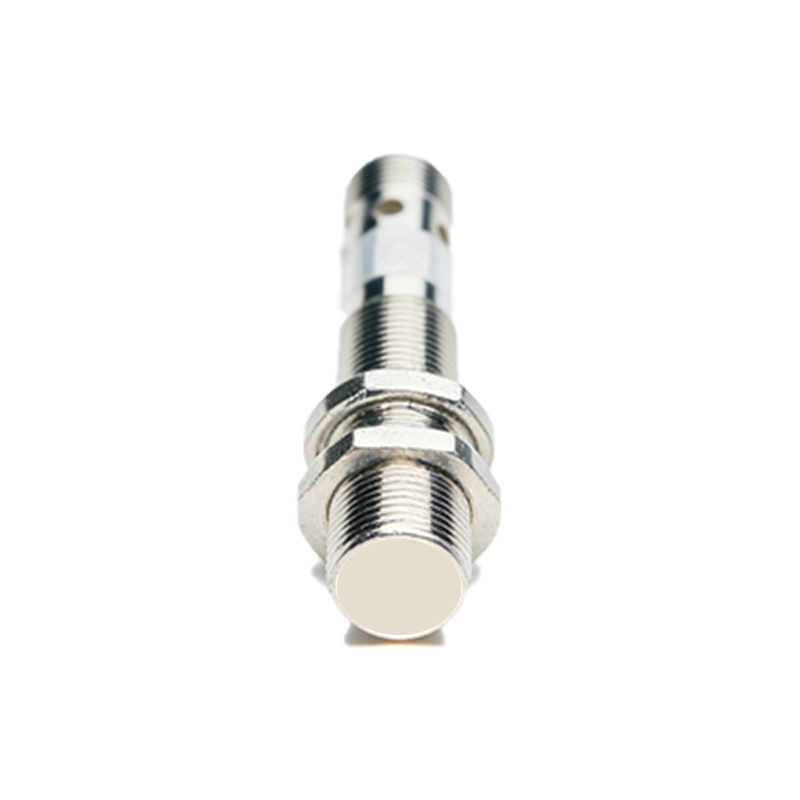
For predictive maintenance, the data from proximity sensors monitoring vibration levels on critical assets like crusher bearings, fan motors, or pump shafts is invaluable. Early detection of abnormal vibration patterns can signal impending failure, allowing for scheduled maintenance instead of reactive, costly breakdowns.
Selecting the right proximity sensor for a mining application requires careful consideration. Key factors include the sensing distance required, the target material, the required output type (e.g., NPN/PNP, analog, IO-Link), and most critically, the environmental protection rating. Sensors must typically meet IP67, IP68, or IP69K ratings for ingress protection against dust and water. In areas with potentially explosive gas or dust clouds, sensors must carry certifications like ATEX, IECEx, or MSHA approval for intrinsic safety or explosion-proof enclosures, ensuring they cannot become an ignition source.

Installation and integration are also crucial. Sensors must be mounted securely to withstand constant vibration and mechanical shock. Proper shielding and cable routing are necessary to prevent electromagnetic interference from high-power mining equipment. Regular calibration and testing are part of a robust maintenance schedule to ensure continued reliability.
Looking ahead, the integration of proximity sensors with Industrial Internet of Things (IIoT) platforms is a growing trend. Sensors with digital communication protocols like IO-Link not only provide switch status but also transmit diagnostic data—such as operating temperature, signal strength, and device health—to centralized monitoring systems. This enables a more holistic view of operations, facilitating data-driven decision-making for optimizing entire mining processes.
In conclusion, proximity sensors are silent guardians in the mining industry. Their role transcends simple detection; they are fundamental enablers of the industry's dual pursuit of unparalleled safety and relentless operational efficiency. As mining technology evolves towards greater automation and connectivity, the sophistication and importance of these rugged sensing solutions will only continue to grow.