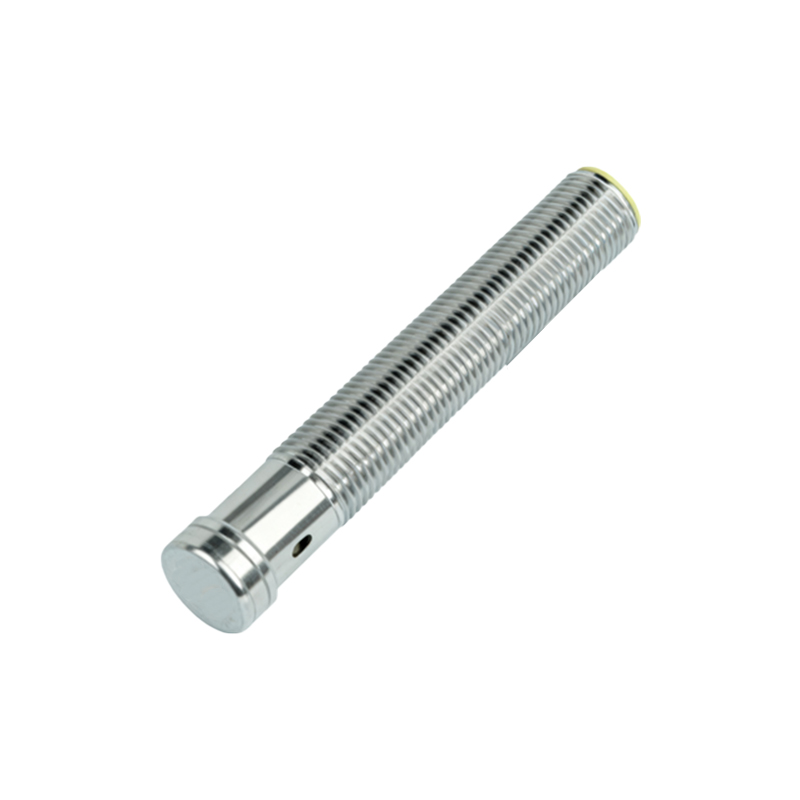
In modern industrial automation, proximity sensors play a critical role in detecting the presence or absence of objects without physical contact. These sensors, including inductive, capacitive, and photoelectric types, are widely used in machinery, assembly lines, and safety systems. When integrated with alarm lights, they form a reliable monitoring solution that enhances operational safety and efficiency. This article explores the technical aspects of connecting proximity sensors to alarm lights, covering wiring methods, configuration steps, and best practices for industrial applications.
Proximity sensors operate by emitting an electromagnetic field or beam and detecting changes in the return signal. Upon sensing a target within their range, they trigger an output signal—typically a digital switch (e.g., NPN or PNP transistor output) or an analog voltage/current signal. To connect these sensors to alarm lights, the output signal must be properly interfaced with the light’s control circuit. For instance, a common setup involves wiring the sensor’s output to a relay or programmable logic controller (PLC), which then activates the alarm light based on predefined conditions.
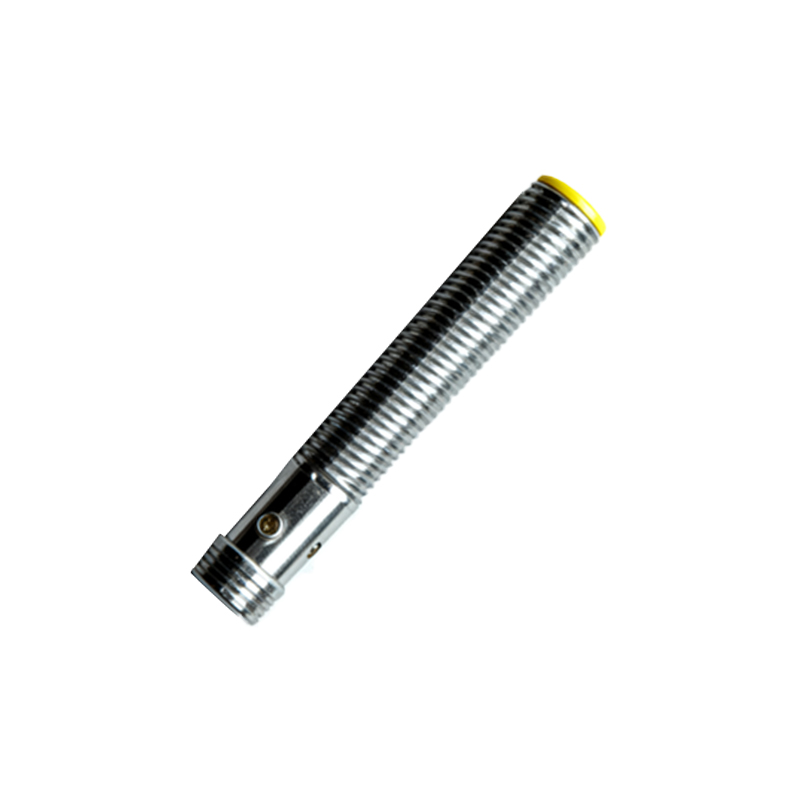
The wiring process begins with selecting compatible components. Ensure the sensor’s voltage rating (e.g., 12-24V DC) matches the alarm light’s power supply. For a basic direct connection, link the sensor’s output terminal to the alarm light’s input terminal, using appropriate cables and connectors to prevent signal interference. In cases where the sensor output is weak, an intermediate device like a relay module may be necessary to amplify the signal. Additionally, consider using shielded cables in environments with high electromagnetic noise to maintain signal integrity.
Configuration involves adjusting the sensor’s sensitivity and response time to suit specific operational needs. For example, in a high-speed production line, a fast response time ensures immediate activation of the alarm light when an object is detected. Testing the connection under real-world conditions is crucial; simulate scenarios to verify that the alarm light illuminates or flashes correctly upon sensor activation. Regular maintenance, such as cleaning sensor lenses and checking wire insulation, helps prevent false triggers and system failures.
Integrating proximity sensors with alarm lights offers significant benefits, including reduced downtime, improved safety compliance, and enhanced process visibility. In hazardous areas, these systems can alert operators to potential collisions, unauthorized access, or equipment malfunctions. By following industry standards and manufacturer guidelines, engineers can design robust connections that withstand harsh industrial environments. Ultimately, this integration supports a proactive approach to automation, where real-time alerts contribute to smoother and safer operations.