In the realm of industrial automation and control systems, proximity sensors play a pivotal role in non-contact detection of objects. A fundamental component often discussed is the "sensing block" or "sensing face." This article elucidates the precise location of the sensing block in various proximity sensor types and its critical implications for installation and operation.
The sensing block refers to the active area of the sensor from which the electromagnetic field (in inductive or capacitive sensors) or the emitted beam (in photoelectric sensors) originates. Its location is inherently tied to the sensor's design.
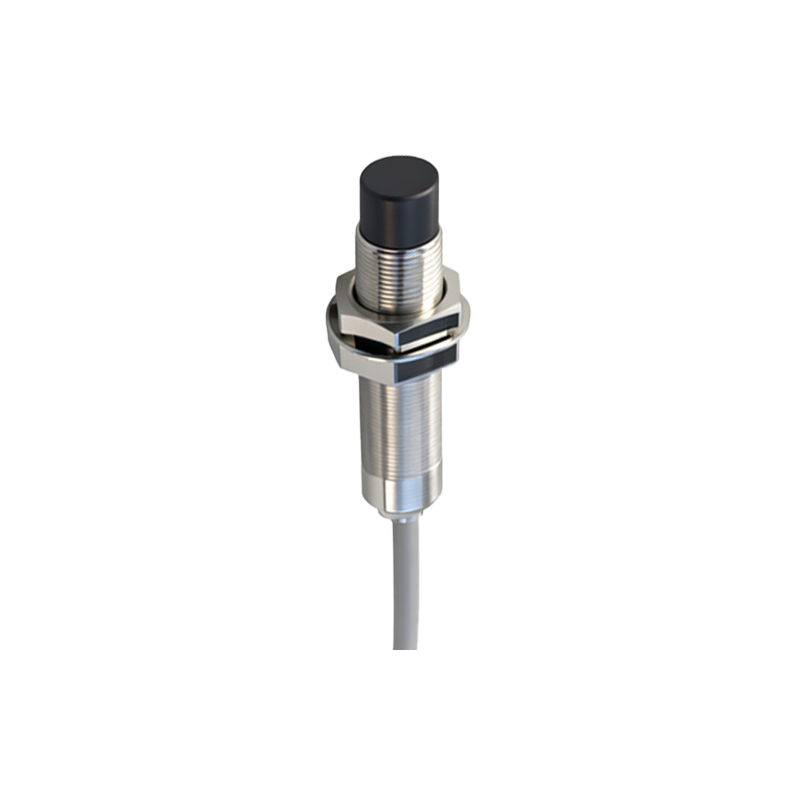
For shielded (flush-mountable) inductive proximity sensors, the sensing block is concentrically located at the front face of the sensor. The ferrite core and coil assembly are embedded within a metal surround that confines the magnetic field, allowing the sensor to be mounted flush with a metal bracket without degradation in sensing performance. The active sensing surface is essentially the entire front face.
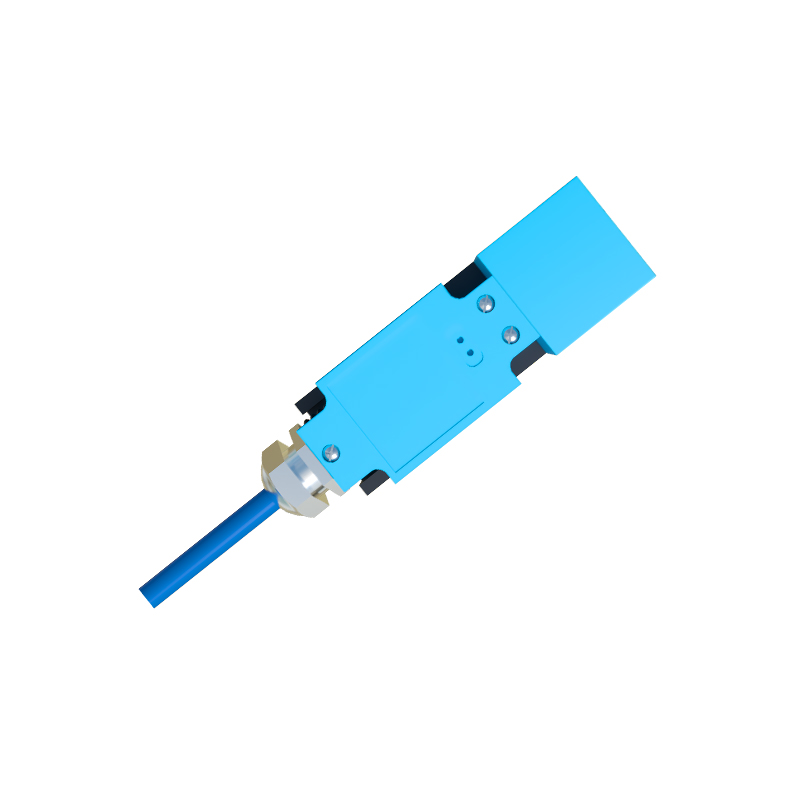
Conversely, in unshielded (non-flush) inductive sensors, the sensing block projects from the front face. The coil is not surrounded by the metal shielding, resulting in a more extended magnetic field. The effective sensing point is typically at the center of the exposed coil tip, and these sensors require a clear, non-metallic surrounding area for proper operation.
In capacitive proximity sensors, the sensing block is typically the front face or a defined electrode area. These sensors detect changes in capacitance, and the sensing face must be oriented toward the target material. For some models designed for level detection, the sensing area might extend along a probe.
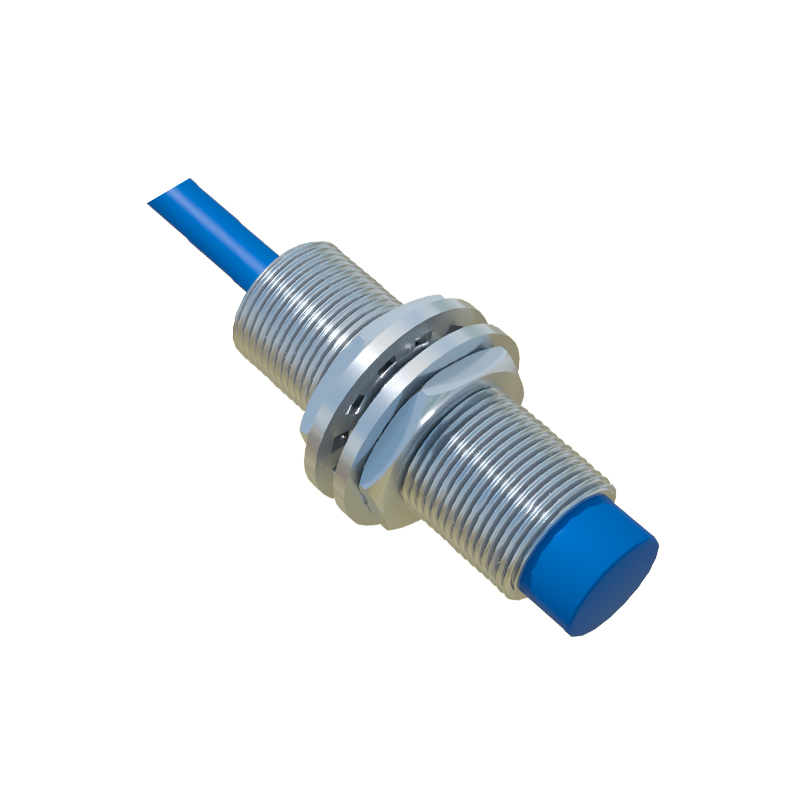
Photoelectric proximity sensors present a different architecture. The sensing "block" is effectively the lens assembly. For diffuse reflective types, the emitter and receiver lenses are housed together, and the sensing occurs in the overlapping field in front of the lens. For through-beam sensors, the sensing block is split: the emitter lens at one end and the separate receiver lens at the other, with the sensing path being the direct line between them.
Ultrasonic proximity sensors feature a transducer face as the sensing block, which both emits and receives sound waves.
The precise location of this block is paramount for correct installation. Key considerations include:
1. Mounting: Ensuring no obstructions (especially metal for inductive types) invade the sensor's "field of view" originating from the sensing block.
2. Sensing Distance: The rated sensing distance (Sn) is measured from the sensing block's front face to the standard target.
3. Target Approach: The optimal approach for a standard target is axially toward the center of the sensing block for most inductive and capacitive sensors.
4. Environmental Factors: Contaminants like dust, chips, or coolant accumulating on the sensing block can severely impair functionality, necessitating regular maintenance or choosing sensors with built-in protection.
In complex machinery, such as CNC lathes or robotic pick-and-place units, proximity sensors with shielded sensing blocks are often recess-mounted to protect them from physical impact and swarf. The sensing block's location is carefully programmed into the machine's logic, as it defines the precise coordinate for tool change, part presence verification, or end-of-travel limits.
Understanding the anatomy, specifically the location of the sensing block, is not merely academic. It directly influences sensor selection, mechanical design of fixtures, troubleshooting efficiency, and ultimately, system reliability. Engineers must consult the manufacturer's datasheet, which provides detailed dimensional drawings explicitly marking the active sensing zone, to ensure optimal integration into any control system.