In the realm of industrial automation and safety systems, ATM proximity sensors have emerged as critical components for detecting the presence or absence of objects without physical contact. These sensors, often referred to as "ATM" due to their association with automated teller machines or specific model series, utilize various technologies such as inductive, capacitive, or ultrasonic principles to monitor human or object proximity. Designed for reliability in harsh environments, ATM proximity sensors are integral to enhancing operational efficiency and ensuring personnel safety across multiple sectors.
The core functionality of ATM proximity sensors lies in their ability to emit an electromagnetic field or beam and detect changes caused by nearby objects. Inductive variants, for instance, are ideal for metal detection in manufacturing lines, while capacitive types can sense non-metallic materials like plastics or liquids. In safety applications, these sensors are deployed to prevent accidents by halting machinery when a human enters a hazardous zone. Their robust construction typically includes features like IP67-rated enclosures for dust and water resistance, wide operating temperature ranges, and immunity to electrical noise, making them suitable for industries ranging from automotive to food processing.
Installation and integration of ATM proximity sensors require careful consideration of factors such as sensing range, response time, and output configurations. Common output options include NPN, PNP, or analog signals, allowing seamless connectivity with PLCs (Programmable Logic Controllers) or other control systems. Regular maintenance involves checking alignment, cleaning lenses or surfaces, and verifying signal integrity to prevent false triggers. As Industry 4.0 advances, newer ATM sensor models incorporate IoT capabilities for real-time monitoring and predictive maintenance, further reducing downtime and optimizing workflows.
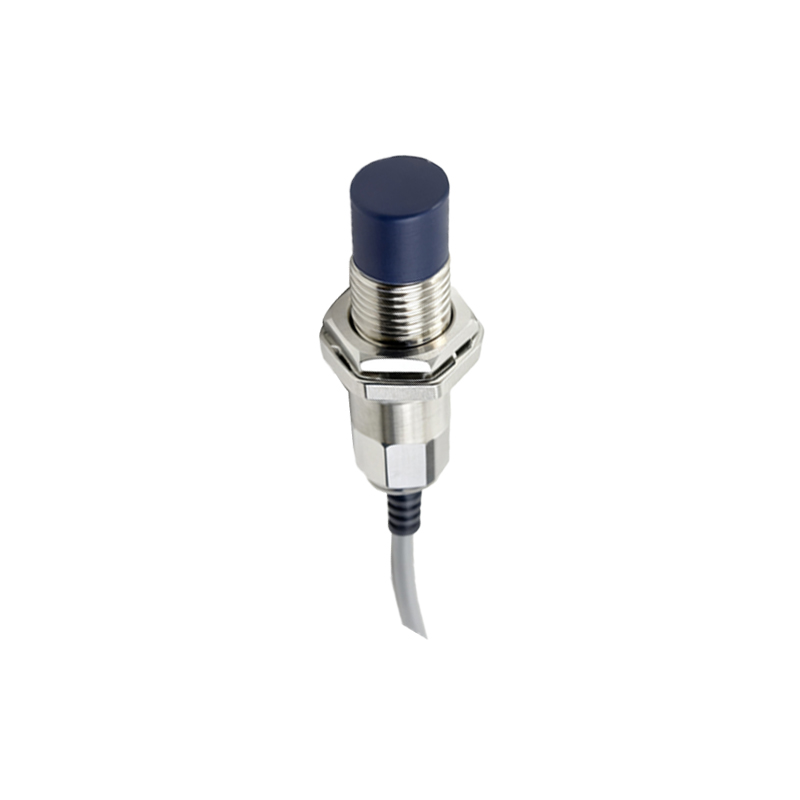
In summary, ATM proximity sensors represent a versatile solution for modern industrial challenges, balancing precision with durability. Their adoption continues to grow in applications like robotic guidance, conveyor belt monitoring, and access control, underscoring their role in driving automation forward while upholding safety standards. Engineers and technicians are encouraged to stay updated on technological advancements to leverage these sensors effectively in evolving operational landscapes.