Proximity sensors are critical components in modern industrial automation, enabling non-contact detection of objects in manufacturing, packaging, robotics, and machinery. Despite their robust design, these sensors can fail due to various factors, leading to costly downtime and operational disruptions. Understanding the root causes of failure is essential for maintenance planning and system reliability.
One primary cause of proximity sensor failure is environmental contamination. In industrial settings, sensors are often exposed to dust, metal shavings, oil, coolant, or chemical residues. Metallic particles can accumulate on the sensor face, interfering with its electromagnetic field and causing false triggers or reduced sensing range. Similarly, non-conductive contaminants like grease may block detection entirely. For example, in machining centers, coolant overspray can coat inductive sensors, leading to gradual performance degradation. Regular cleaning and selecting sensors with appropriate IP ratings can mitigate these issues.
Electrical overloads and voltage spikes represent another common failure mode. Proximity sensors are sensitive to voltage fluctuations beyond their specified ranges. Surges from power supply irregularities, lightning strikes, or inductive load switching can damage internal circuitry. In three-wire DC sensors, reverse polarity connection or excessive load current may destroy output transistors. Additionally, electromagnetic interference from nearby motors, frequency drives, or high-current cables can induce noise, causing erratic behavior. Shielding, proper grounding, and using surge protection devices are effective countermeasures.
Mechanical stress and physical damage also contribute to sensor failures. Vibration from heavy machinery can loosen mounting hardware, misalign sensors, or fracture internal solder joints. Impact from moving parts, tools, or falling objects can crack sensor housings or damage sensing elements. In high-cycle applications, repeated mechanical shock may fatigue components over time. Choosing sensors with robust construction, such as those with metal housings or vibration-resistant designs, and ensuring secure installation can extend service life.
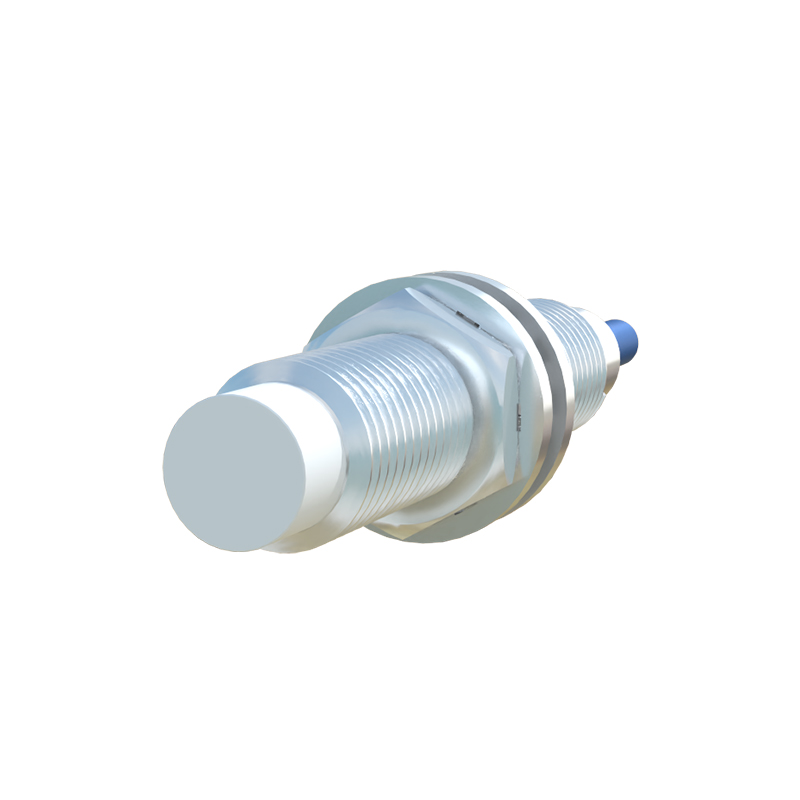
Internal component wear is inevitable over prolonged operation. The oscillator circuit in inductive sensors, which generates the detection field, may degrade due to thermal cycling or aging of capacitors and transistors. In capacitive sensors, changes in dielectric properties of internal materials can affect calibration. For photoelectric sensors, LED light sources gradually dim, reducing effective range, while lenses become scratched or clouded. Although manufacturers specify longevity (e.g., 10 million operations), harsh conditions can accelerate wear. Preventive replacement based on operational hours is advisable.
Incorrect selection or installation errors frequently lead to premature failure. Using a sensor with an inadequate sensing range for an application forces it to operate at its limits, increasing stress. Mounting sensors too close to each other can cause mutual interference, especially with inductive models. Failure to consider material properties—such as detecting non-ferrous metals with a standard inductive sensor—results in unreliable performance. Additionally, wiring mistakes, like mixing up NPN and PNP configurations, can cause immediate damage. Adhering to manufacturer guidelines and conducting thorough commissioning checks are crucial.
Temperature extremes pose significant risks. High ambient temperatures near ovens or engines can exceed sensor ratings, causing plastic components to warp or electronic drift. Conversely, sub-zero conditions may condense moisture inside housings, leading to short circuits. Thermal shock from rapid temperature changes can also crack epoxy-sealed elements. Selecting sensors with extended temperature tolerances and implementing cooling or insulation measures helps maintain functionality.
Finally, chemical exposure corrodes sensor materials. Harsh environments with acids, alkalis, or solvents can degrade housing plastics, metal coatings, and cable jackets. For instance, in food processing, caustic cleaning agents may attack sensor surfaces. Choosing corrosion-resistant models (e.g., stainless steel or PTFE-coated) and regular inspections in aggressive settings are vital.
In summary, proximity sensor failures stem from environmental, electrical, mechanical, and human factors. A proactive maintenance strategy—including routine cleaning, electrical checks, and environmental monitoring—can significantly reduce failure rates. By understanding these causes, engineers can optimize sensor selection, installation, and upkeep, ensuring sustained operational efficiency in industrial systems.