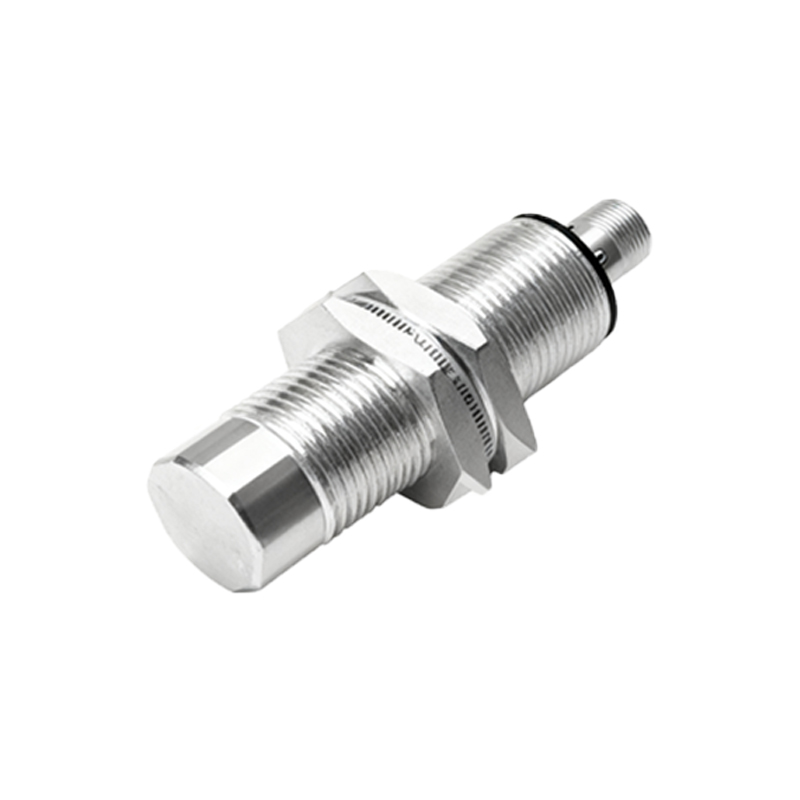
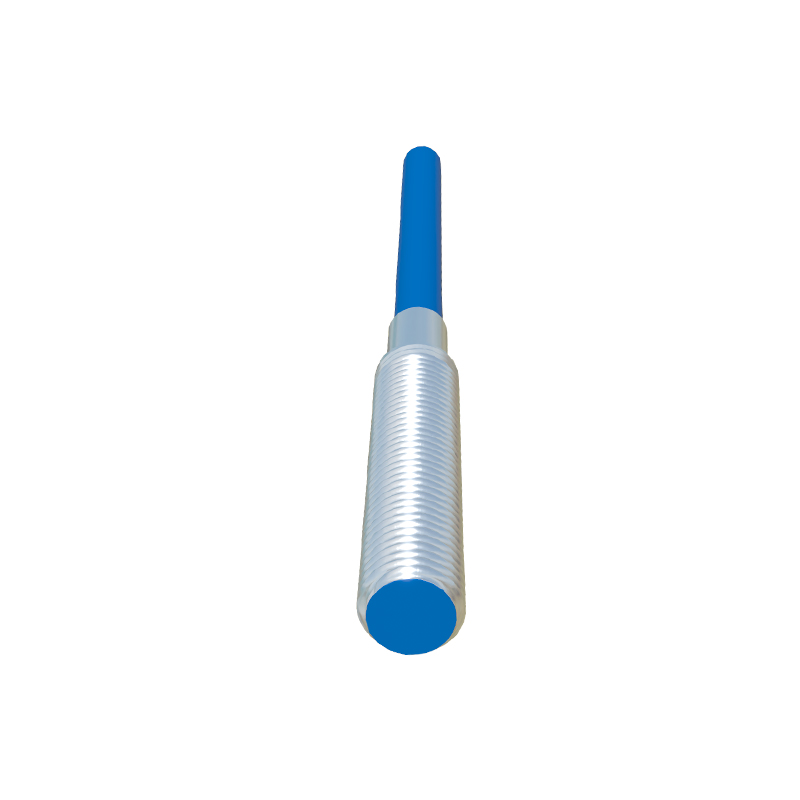
In the realm of industrial automation, proximity switch sensors stand as indispensable components, silently orchestrating the seamless operation of machinery and systems. These non-contact sensors detect the presence or absence of objects within a specified range without physical contact, leveraging electromagnetic fields, infrared light, or ultrasonic waves. Their primary function is to provide precise, reliable feedback for control systems, enabling automated processes to function with high efficiency and safety.
The core mechanism of proximity sensors revolves around their ability to sense metallic or non-metallic targets. Inductive proximity sensors, for instance, generate an oscillating electromagnetic field to detect ferrous metals, making them ideal for harsh environments where dust, oil, or moisture is present. Capacitive sensors, on the other hand, can sense both metallic and non-metallic materials by measuring changes in capacitance, often used in liquid level detection or plastic handling. Ultrasonic and photoelectric sensors extend this capability to longer ranges and diverse materials, offering versatility in applications from packaging to robotics.
One of the key advantages of proximity switches is their durability and low maintenance. Since they operate without physical contact, there is minimal wear and tear, reducing downtime and operational costs. This makes them a preferred choice in high-speed manufacturing lines, where consistent performance is critical. For example, in automotive assembly, proximity sensors ensure precise positioning of parts, while in food processing, they help maintain hygiene by avoiding contamination through touchless operation.
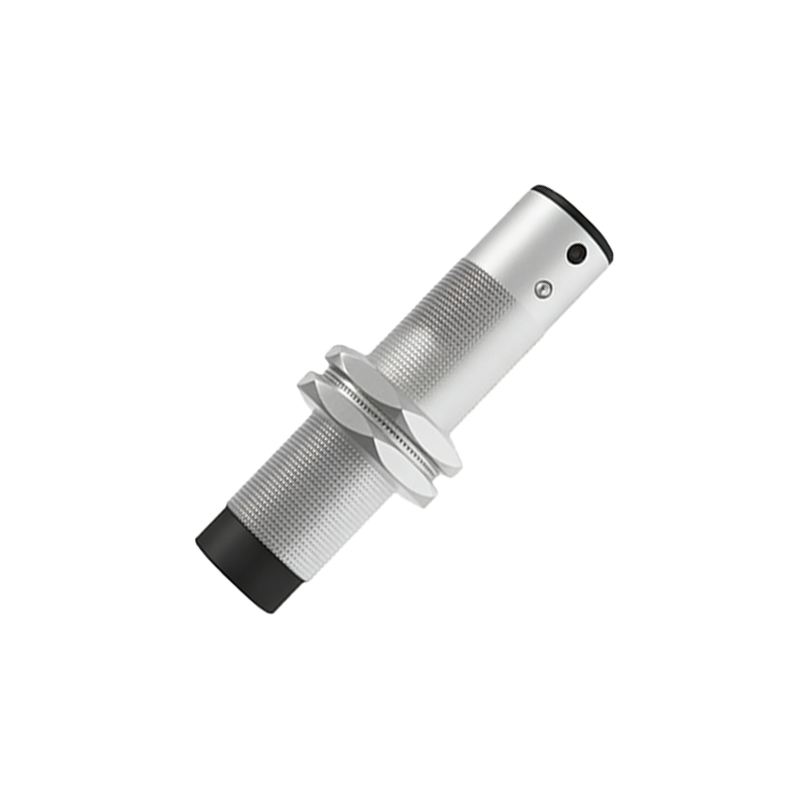
Moreover, proximity sensors enhance safety by monitoring machine boundaries and preventing accidents. They can trigger emergency stops or alarms when unauthorized access is detected, safeguarding personnel and equipment. In conveyor systems, these sensors track object movement, optimizing workflow and preventing jams. Their integration with programmable logic controllers (PLCs) allows for real-time data collection, facilitating predictive maintenance and improving overall system intelligence.
As industries evolve toward Industry 4.0, the role of proximity sensors expands beyond mere detection. They contribute to smart factory ecosystems by enabling connectivity and data exchange. With advancements in IoT, sensors now offer features like self-diagnostics and wireless communication, empowering engineers to monitor performance remotely and make data-driven decisions. This shift not only boosts productivity but also supports sustainable practices by reducing energy consumption through optimized operations.
In summary, proximity switch sensors are pivotal in modern industrial settings, driving automation with their accuracy, reliability, and adaptability. From basic object detection to complex system integration, they form the backbone of efficient and safe operations, proving essential for engineers seeking to innovate in a competitive landscape.