In industrial automation and electrical control systems, proximity switch sensors play a critical role in detecting the presence or absence of objects without physical contact. As an experienced electrical engineer, I often encounter scenarios where sensor performance directly impacts production efficiency and safety. Determining whether a proximity switch sensor is functioning properly requires a systematic approach, combining theoretical knowledge with hands-on testing. This guide outlines practical methods to assess sensor quality, ensuring reliable operation in demanding environments.
First, understand the basic working principles. Proximity switches typically operate using inductive, capacitive, or magnetic technologies. Inductive sensors detect metallic objects, capacitive sensors respond to both metallic and non-metallic materials, and magnetic sensors rely on magnetic fields. Knowing the sensor type is essential, as each has distinct characteristics and failure modes. For instance, an inductive sensor may malfunction if exposed to excessive vibration or metal debris, while a capacitive sensor can be affected by humidity or material density changes.
Visual inspection is the initial step. Check for physical damage such as cracks, corrosion, or loose connections. Examine the sensor housing and cable for signs of wear, especially in high-temperature or abrasive settings. Ensure the mounting is secure, as misalignment can lead to false triggers. Additionally, verify that the sensing face is clean and free from obstructions like dirt, oil, or paint buildup, which can reduce effective sensing range.
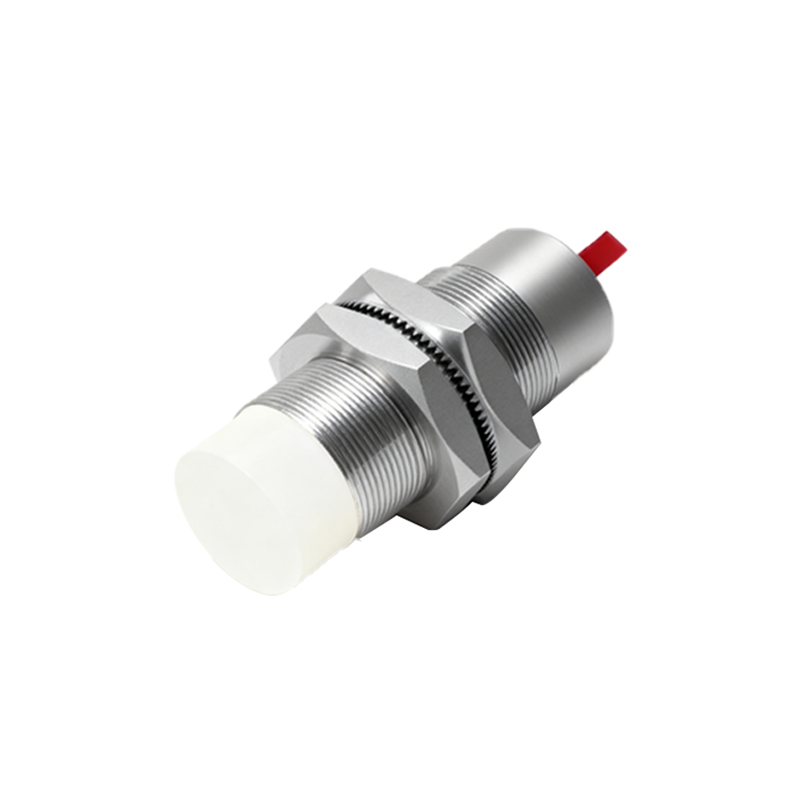
Electrical testing follows. Use a multimeter to measure voltage and current at the sensor terminals. For a DC-powered sensor, confirm the supply voltage matches specifications (commonly 10-30V DC). Check the output signal: in a normally open (NO) configuration, the output should switch to the supply voltage when an object is detected; in a normally closed (NC) setup, it should drop to near zero. For AC sensors, ensure proper grounding and monitor for fluctuations. If the sensor has an LED indicator, observe its behavior—consistent blinking or dimness may indicate internal issues.
Performance evaluation involves testing sensing range and response time. Place a standard target (e.g., a metal plate for inductive sensors) at the specified sensing distance. The sensor should activate reliably without intermittent signals. Gradually move the target closer and farther to identify any dead zones or hysteresis. Response time, critical in high-speed applications, can be measured with an oscilloscope by triggering the sensor and monitoring output delay. Compare results with manufacturer datasheets; deviations beyond 10-15% often signal degradation.
Environmental factors significantly impact sensor health. Assess operating conditions like temperature extremes, electromagnetic interference (EMI), or chemical exposure. For example, high temperatures can cause component drift, while EMI may induce false signals. If possible, simulate real-world conditions during testing. In harsh environments, consider sensors with appropriate IP ratings or shielding.
Diagnostic tools enhance accuracy. Many modern proximity sensors come with diagnostic features via IO-Link or other protocols, providing real-time data on parameters like switching frequency or temperature. Use these to monitor trends and predict failures. For legacy sensors, a signal analyzer can detect noise or instability in the output waveform.
Common failure patterns include output sticking (constant on/off), reduced range, or erratic behavior. These often stem from internal component wear, such as damaged oscillator circuits in inductive sensors or capacitor leakage in capacitive types. In such cases, replacement may be more cost-effective than repair, given the criticality of sensor reliability.
Preventive maintenance is key. Regularly calibrate sensors, document performance baselines, and keep spare parts on hand. Train personnel to recognize early warning signs, like increased error rates in machinery logs. By integrating these practices, engineers can minimize downtime and extend sensor lifespan.
In summary, judging proximity switch sensor quality involves a blend of inspection, electrical testing, and environmental assessment. Prioritize safety by de-energizing systems before handling, and always refer to manufacturer guidelines. With diligent application of these methods, electrical professionals can ensure sensors operate at peak performance, supporting robust and efficient industrial operations.