In the dynamic landscape of industrial automation and electrical engineering, turbine proximity sensors have become indispensable components for monitoring rotational speed, position, and direction in various machinery. As a seasoned electrical engineer, I often field questions regarding the cost of these critical devices. The pricing of turbine proximity sensors is not a simple figure but a complex matrix influenced by a confluence of technical specifications, market forces, and application-specific requirements.
Fundamentally, the core technology dictates a significant portion of the cost. Inductive proximity sensors, commonly used for metallic turbine blades, are generally more cost-effective than their capacitive or ultrasonic counterparts designed for non-metallic materials. The sensing range is a primary cost driver; a sensor with a 15mm range will be priced lower than one capable of 40mm detection. Furthermore, the required precision and response time are crucial. High-performance sensors offering micron-level accuracy and sub-millisecond response times for critical applications, such as in aerospace or high-speed turbines, incorporate advanced signal processing chips and superior shielding against electromagnetic interference (EMI), substantially increasing their price.
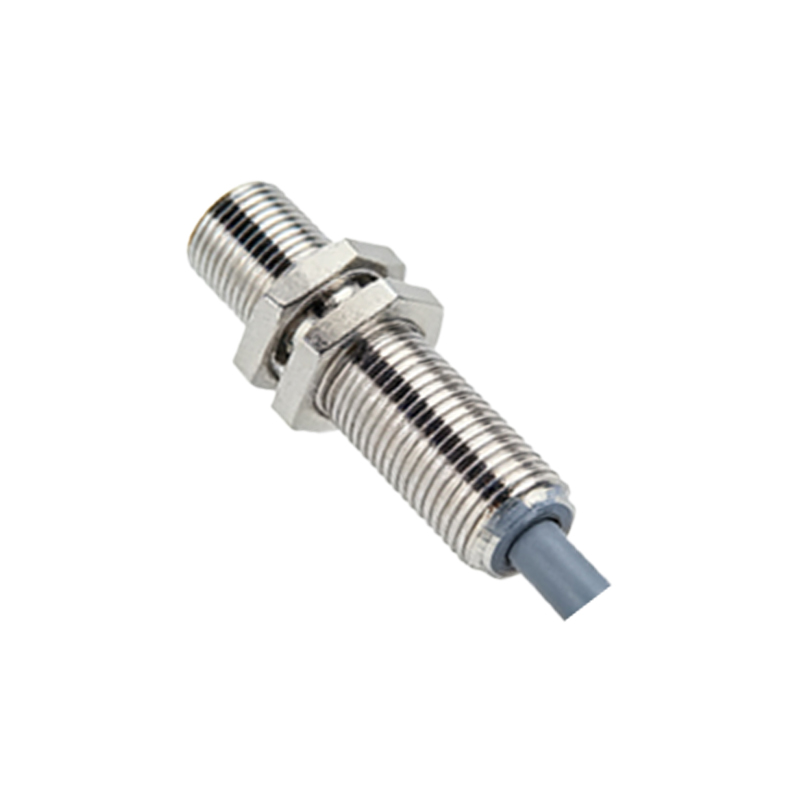
Construction and materials directly impact durability and, consequently, cost. A sensor with a stainless-steel housing, IP67 or IP69K ingress protection ratings for harsh environments (resistant to dust, water, and chemical washdowns), and high-temperature tolerance (exceeding 100°C) will command a premium over a standard plastic-housed unit for benign indoor settings. The quality of internal components, such as the oscillator coil and the integrated circuit, also separates economical models from industrial-grade, high-reliability options.
The interface and output signal type are key pricing factors. Basic models with a simple PNP or NPN transistor output are the most affordable. Sensors featuring analog outputs (4-20mA or 0-10V) for proportional speed measurement, or advanced digital interfaces like IO-Link, which enable parameterization, diagnostics, and data exchange, add layers of complexity and cost. IO-Link sensors, while more expensive upfront, can offer long-term savings through predictive maintenance capabilities.
Brand reputation and supply chain considerations play a substantial role. Established manufacturers with a proven track record in quality control, extensive R&D, and global technical support networks (e.g., Siemens, Pepperl+Fuchs, Omron, Balluff) typically price their products higher than generic or lesser-known brands. This premium covers certification standards (CE, UL, ATEX for hazardous areas), comprehensive warranties, and reliable after-sales service. Conversely, sourcing from regional or online distributors can sometimes yield competitive pricing, but engineers must diligently verify specifications and authenticity.
Market dynamics, including raw material costs (for metals and semiconductors), global demand fluctuations, and logistical expenses, cause price volatility. The ongoing trends towards Industry 4.0 and IoT integration are pushing sensor prices in two directions: increased cost for "smarter" sensors with embedded intelligence, and decreased cost for standardized, high-volume basic models due to economies of scale.
Finally, the total cost of ownership (TCO) must be evaluated beyond the initial purchase price. A cheaper sensor prone to failure in a demanding application can lead to catastrophic downtime, production losses, and high replacement costs. Investing in a correctly specified, robust sensor from a reputable supplier often proves more economical over the asset's lifecycle. When procuring these sensors, engineers should provide detailed application parameters—target material, required accuracy, environmental conditions, output needs, and required certifications—to suppliers to obtain accurate and comparable quotations. In summary, the price of a turbine proximity sensor is a direct reflection of its performance, robustness, intelligence, and the support ecosystem behind it, making informed selection a critical engineering decision.