In the rapidly evolving landscape of industrial automation and electrical engineering, the supply of reliable and efficient sensing components is paramount. Among these, proximity sensors, particularly light curtains, have emerged as critical safety and detection devices. This article delves into the supply dynamics, technological advancements, and key considerations for sourcing light curtain proximity sensors in the electrical industry.
Light curtains, also known as safety light barriers, are optoelectronic devices that create an invisible curtain of infrared light beams. When an object or person interrupts this curtain, the sensor sends a signal to halt machinery, thereby preventing accidents. Their application spans across various sectors, including manufacturing, robotics, packaging, and automotive assembly lines, where they ensure operator safety and enhance operational efficiency.
The supply chain for light curtain proximity sensors is influenced by several factors. Firstly, technological innovation drives demand. Modern light curtains now feature advanced functionalities such as muting, blanking, and cascading, allowing for more flexible integration into complex systems. Suppliers must keep pace with these developments to offer products that meet industry standards like IEC 61496 and ISO 13849. Secondly, global manufacturing trends, including the rise of Industry 4.0 and smart factories, have increased the need for high-precision, durable sensors that can communicate seamlessly with other industrial equipment via protocols like IO-Link or Ethernet/IP.
From a supply perspective, key players in the market include established manufacturers such as SICK AG, Banner Engineering, Omron, and Keyence. These companies provide a wide range of light curtains, from basic models for simple guarding applications to sophisticated systems with programmable logic and diagnostic capabilities. However, the supply landscape is not without challenges. Disruptions in semiconductor availability, geopolitical tensions affecting raw material sourcing, and fluctuating demand post-pandemic have highlighted the importance of robust supply chain management. Engineers and procurement specialists must consider lead times, quality certifications, and after-sales support when selecting suppliers.
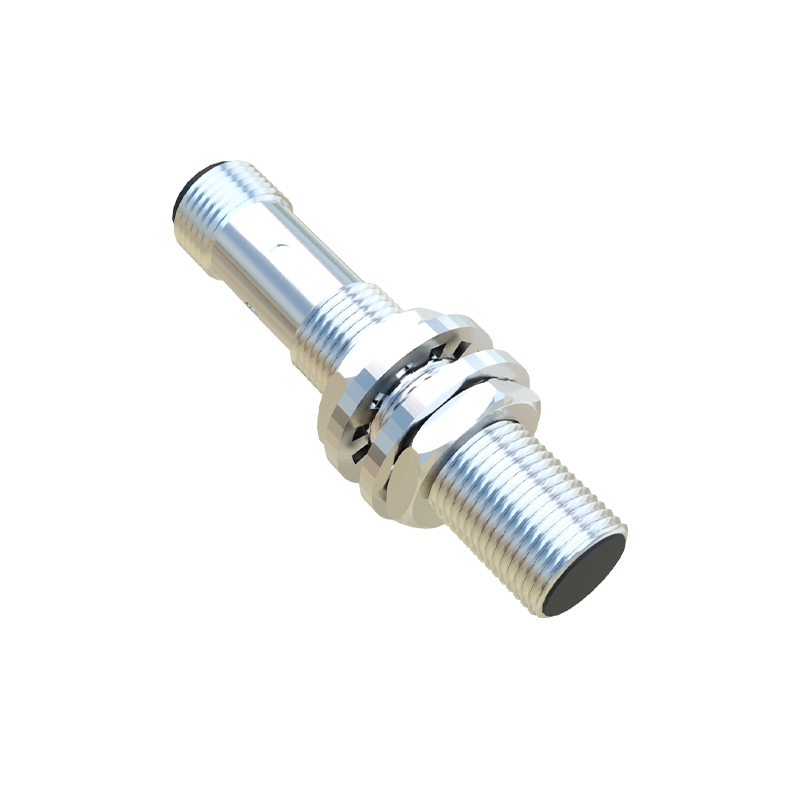
Moreover, customization is becoming increasingly important. Many industrial applications require tailored solutions, such as sensors with specific beam resolutions, protective housings for harsh environments (e.g., IP67 ratings), or integration with existing safety relays. Suppliers who offer flexible design and engineering support tend to have a competitive edge. Additionally, sustainability concerns are shaping supply decisions, with a growing preference for energy-efficient models and recyclable materials.
In practice, sourcing light curtain proximity sensors involves evaluating technical specifications like detection capability, response time, and operating range. For instance, a typical light curtain might have a resolution of 14 mm to 30 mm for finger or hand detection, with response times under 10 ms to ensure rapid machine stoppage. It is also crucial to assess the total cost of ownership, which includes installation, maintenance, and potential downtime costs, rather than just the initial purchase price.
Looking ahead, the supply of light curtain proximity sensors is expected to grow, driven by stricter safety regulations and the automation of more processes. Emerging technologies like AI and IoT may further enhance these sensors' capabilities, enabling predictive maintenance and real-time monitoring. As such, electrical engineers and industry stakeholders should stay informed about market trends and forge strong partnerships with reputable suppliers to ensure a steady and reliable supply of these essential components.
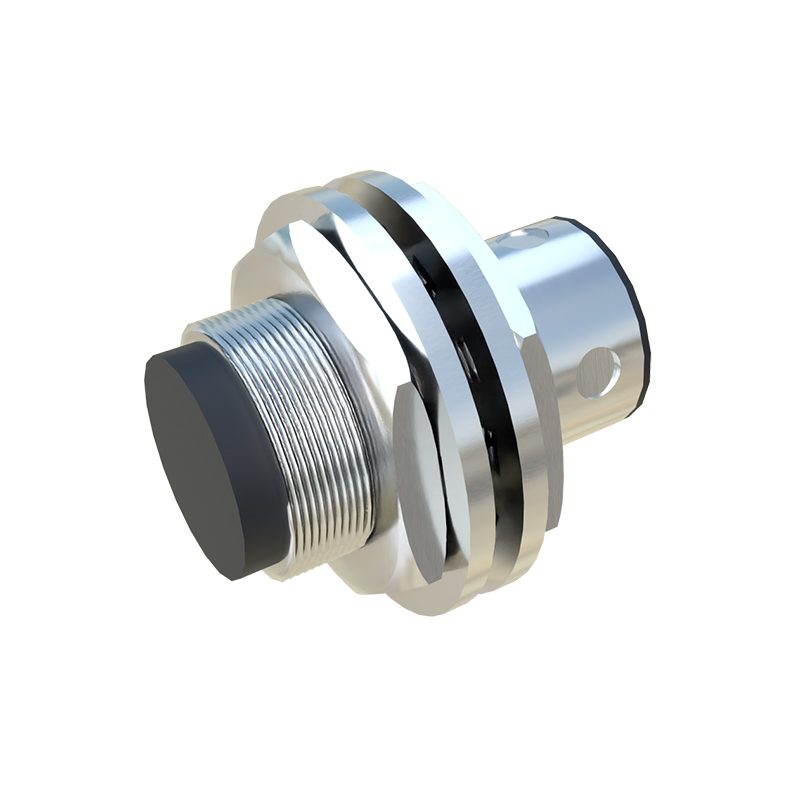
In conclusion, the supply of light curtain proximity sensors is a dynamic aspect of the electrical industry, intertwined with technological progress and market demands. By understanding the key factors—from innovation and customization to supply chain resilience—professionals can make informed decisions that bolster safety and productivity in industrial environments.