In the modern brick manufacturing industry, automation and precision are paramount. Proximity switch sensors play a critical role in ensuring the efficiency, safety, and reliability of brick making machinery. These non-contact sensors detect the presence or absence of metallic objects, providing essential feedback for controlling machine cycles, positioning molds, and managing material flow.
Proximity sensors used in brick machines are predominantly inductive types, designed to detect ferrous metals such as steel molds, pallets, or pusher arms. The operating principle is based on generating an electromagnetic field. When a metal target enters this field, it induces eddy currents, causing a change in the sensor's oscillation amplitude. This change is processed by the internal circuitry to trigger a solid-state output signal. This entire process occurs without physical contact, eliminating mechanical wear and tear—a significant advantage in the dusty, high-vibration environment of a brick plant.
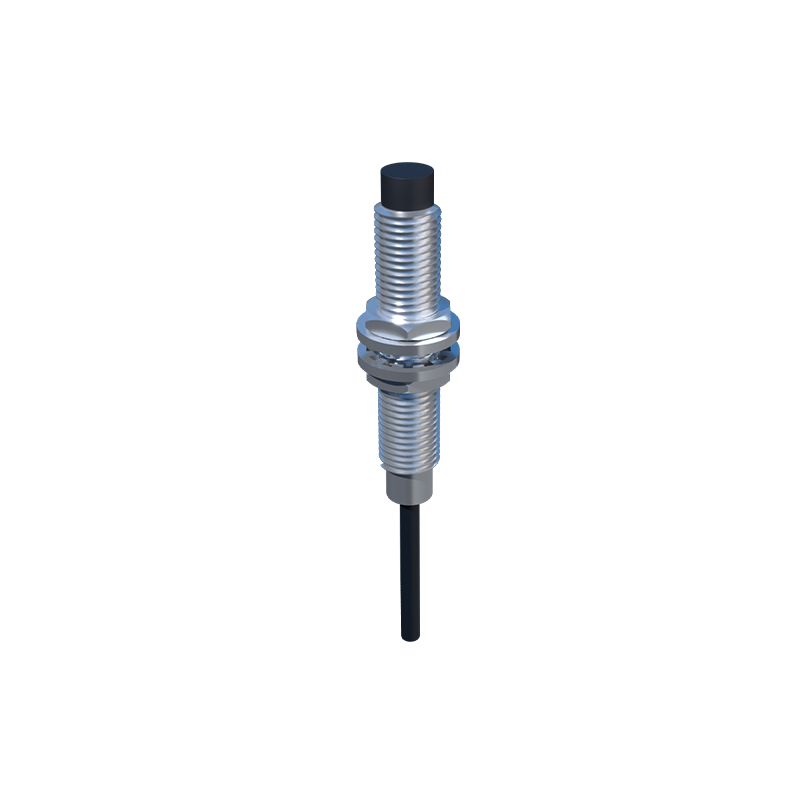
Key applications within a brick making machine include mold positioning, pallet detection, and safety interlocks. During the molding process, sensors precisely detect the position of the steel mold as it moves into the filling station, ensuring accurate and consistent brick dimensions. At the transfer points, sensors confirm the presence of pallets carrying green bricks, preventing jams and misalignment before the bricks enter the dryer or kiln. Furthermore, proximity switches are integral to safety systems, monitoring guard doors or access panels to immediately halt machinery if opened during operation, protecting personnel from harm.
Selecting the right proximity sensor requires careful consideration of several technical factors. The sensing distance, or "snap distance," must be chosen based on the application's mechanical tolerances. Environmental resilience is non-negotiable; sensors must have a high IP (Ingress Protection) rating, typically IP67 or higher, to withstand pervasive brick dust, moisture from clay, and high ambient temperatures near kilns. The housing material is equally important, with nickel-plated brass or stainless steel being preferred for their corrosion resistance. Output types also vary, with PNP (sourcing) and NPN (sinking) being common, and the choice depends on the machine's programmable logic controller (PLC) input card configuration.
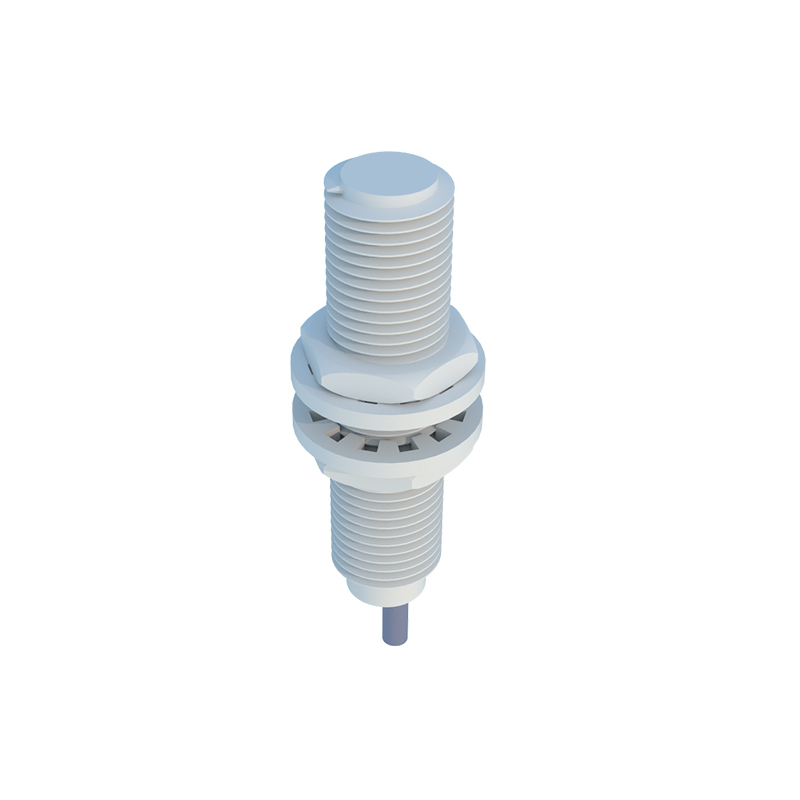
Installation and maintenance are straightforward but crucial for longevity. Sensors should be mounted securely to minimize vibration-induced misalignment. A small gap should be maintained between the sensor face and the normal path of the target to account for mechanical play. Regular maintenance involves simply wiping the sensing face clean of accumulated dust or clay slurry to prevent false triggering or reduced sensing range. Unlike mechanical limit switches, proximity sensors have no moving parts, leading to a long operational life measured in millions of cycles.
The integration of these sensors with the machine's control system is a cornerstone of Industry 4.0 in brick manufacturing. The digital signals from proximity switches feed directly into the PLC, enabling precise sequencing of the compaction, ejection, and transfer processes. This data can also be leveraged for predictive maintenance, as changes in sensor response time can indicate mechanical wear in moving parts before a failure occurs, minimizing unplanned downtime.
In conclusion, proximity switch sensors are indispensable components in automated brick production. Their ability to provide reliable, non-contact detection in harsh conditions directly contributes to product quality consistency, operational safety, and overall plant productivity. As brick machinery evolves towards greater automation and data integration, the role of robust and intelligent sensing technology, including advanced proximity sensors, will only become more central to efficient and competitive manufacturing.