In the intricate world of industrial automation, proximity sensors stand as silent sentinels, enabling machines to perceive their environment without physical contact. These devices, fundamental to modern manufacturing, logistics, and robotics, detect the presence or absence of an object within a defined field. The global market is dominated by several key manufacturers, each contributing unique innovations and setting benchmarks for reliability, precision, and adaptability.
At the forefront is Sick AG, a German powerhouse renowned for its engineering excellence. Sick's portfolio spans inductive, capacitive, and photoelectric sensors, with a strong emphasis on IO-Link communication for Industry 4.0 integration. Their sensors are celebrated for exceptional durability in harsh environments, featuring robust housings resistant to chemicals, extreme temperatures, and mechanical stress. Another European leader, ifm electronic, also from Germany, has made significant strides with its "IIoT-ready" devices. ifm's sensors often incorporate condition monitoring features, providing predictive maintenance data that preempts downtime—a critical advantage in high-throughput facilities.
From Japan, Omron Corporation and Keyence Corporation are titans known for pushing the boundaries of miniaturization and precision. Omron's expertise in inductive and capacitive sensing is complemented by advanced models with embedded logic functions, allowing for simple process control within the sensor itself. Keyence, on the other hand, is synonymous with ultra-high-performance. Their photoelectric and fiber-optic sensors offer unparalleled sensing distances and resolution, catering to delicate assembly tasks in electronics and semiconductor manufacturing. Panasonic Corporation also holds a substantial share, particularly in the Americas and Asia, with a focus on cost-effective, highly reliable sensors for automotive and packaging industries.
The Swiss-based Baumer Group excels in application-specific solutions. Their sensors are often tailored for unique challenges in food and beverage, pharmaceuticals, and solar panel production, featuring hygienic designs or exceptional resistance to washdowns. Similarly, Pepperl+Fuchs, another German specialist, is an authority in intrinsic safety for hazardous areas. Their sensors are certified for use in explosive atmospheres (ATEX, IECEx), making them indispensable in oil, gas, and chemical plants.
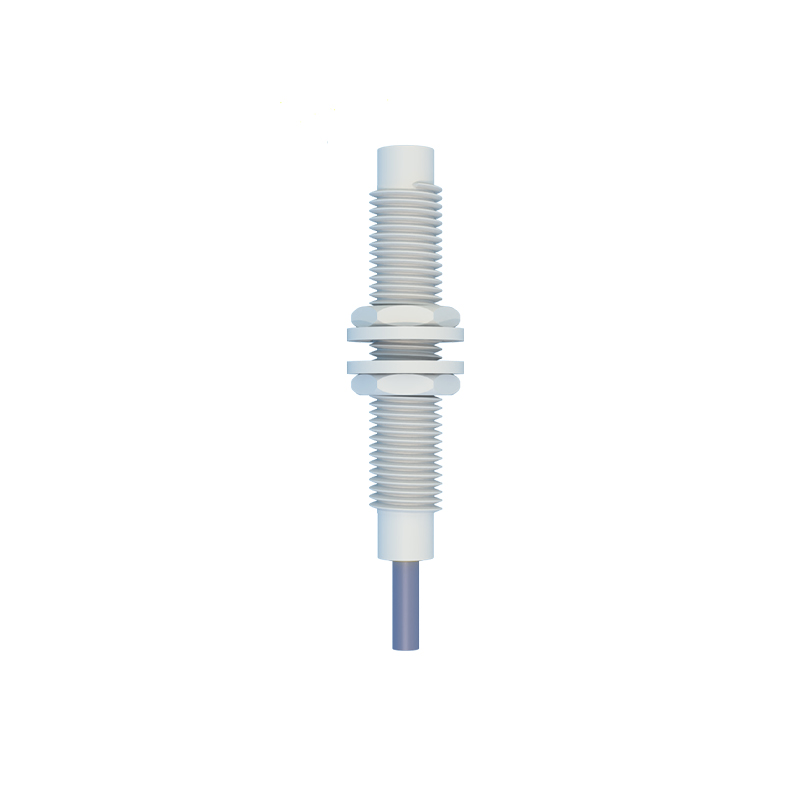
In the United States, Rockwell Automation (Allen-Bradley) and Balluff Inc. are major forces integrated into broader control ecosystems. Rockwell's sensors are optimized for seamless compatibility with their PLCs and networks, simplifying system design. Balluff is highly regarded for its innovative RFID systems and modular sensor solutions that offer exceptional flexibility in tooling and fixture identification.
The technological evolution is continuous. Modern proximity sensors are no longer simple binary switches. Trends include:
Smart Sensors & IO-Link: This standard allows for bidirectional data exchange, enabling parameter setting, process value monitoring, and diagnostic information flow directly to the control system.
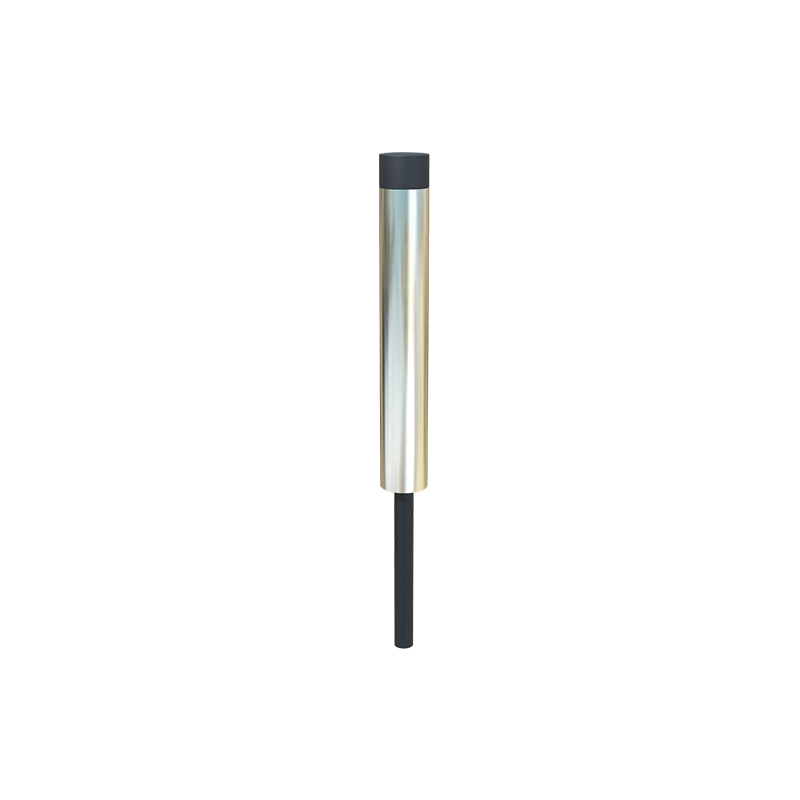
Increased Robustness: Designs now routinely meet IP67, IP68, and IP69K ratings for dust and water ingress, ensuring longevity.
Material Versatility: Advanced capacitive sensors can detect non-metallic objects like glass, wood, or liquids with high accuracy, expanding their application scope.
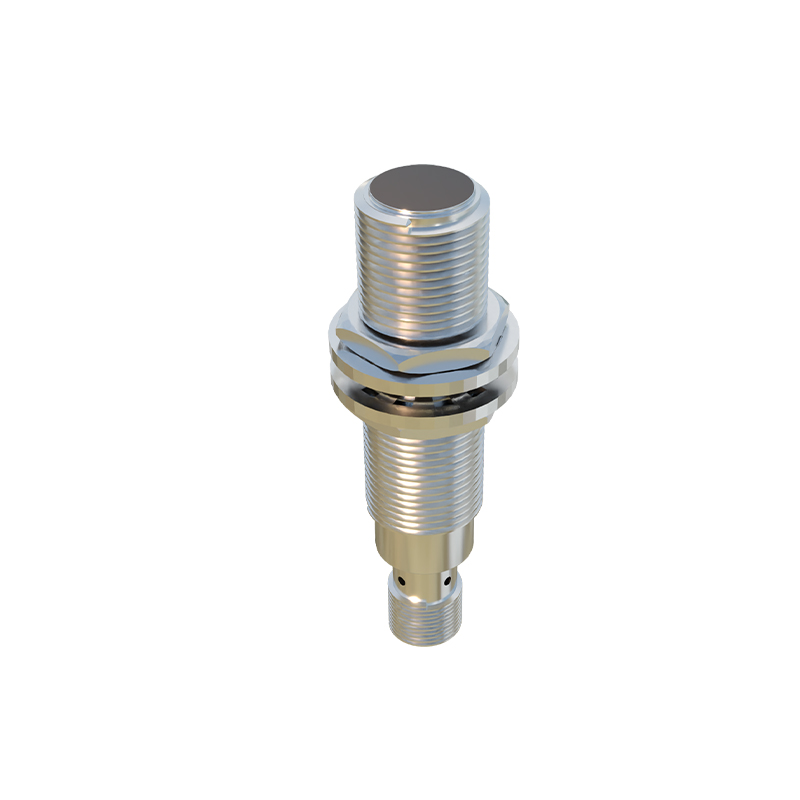
Miniaturization: Smaller form factors allow installation in space-constrained robotic grippers and compact machinery.
Choosing the right sensor involves a careful analysis of the target object (metal, plastic, liquid), required sensing distance, environmental conditions (temperature, contaminants), electrical output type (PNP/NPN, analog, IO-Link), and housing requirements. While brands like Sick and ifm are often selected for heavy-duty European machinery, Omron and Keyence are preferred in precision Asian manufacturing, and Rockwell is a staple in North American automotive plants.
In conclusion, the landscape of global proximity sensor manufacturers is defined by a blend of regional strengths and specialized expertise. From Sick's rugged reliability to Keyence's cutting-edge precision and Pepperl+Fuchs' focus on safety, these leaders collectively drive innovation. As industries march toward greater connectivity and intelligence, these components will continue to evolve, forming the essential tactile layer of the smart, automated factory. Their role is not merely to detect but to inform and enable the complex, synchronized dance of modern industrial production.