Proximity sensors are indispensable components in modern industrial automation, providing non-contact detection of objects without physical interaction. As an electrical engineer with extensive field experience, I have witnessed the transformative impact of these devices across manufacturing, packaging, robotics, and automotive assembly lines. Their ability to operate reliably in harsh environments—amid dust, moisture, and temperature fluctuations—makes them a cornerstone of efficient and safe industrial operations.
The supply chain for proximity sensors has evolved significantly, driven by advancements in technology and increasing demand for precision. Manufacturers now offer a diverse range of types, including inductive, capacitive, ultrasonic, and photoelectric sensors, each tailored to specific applications. Inductive sensors, for instance, excel in detecting metallic objects, while capacitive variants can sense non-metallic materials like plastics or liquids. This specialization ensures that industries can select sensors that match their exact operational needs, enhancing system accuracy and reducing downtime.
From a supply perspective, global sourcing has become the norm, with key producers located in Europe, North America, and Asia. Leading brands such as Siemens, Omron, and Schneider Electric dominate the market, offering sensors with enhanced features like IO-Link connectivity, which enables real-time data exchange and predictive maintenance. However, the supply landscape is not without challenges. Recent disruptions, including semiconductor shortages and logistical delays, have underscored the importance of robust inventory management and supplier diversification. Engineers and procurement teams must stay informed about market trends to secure reliable sensor supplies without compromising on quality or cost.
In practice, the application of proximity sensors extends beyond simple object detection. They are integral to position sensing, counting, and speed monitoring in conveyor systems, ensuring seamless production flows. For example, in automotive manufacturing, sensors precisely align components during assembly, minimizing errors and boosting throughput. Additionally, their role in safety systems—such as detecting human presence near hazardous machinery—highlights their critical contribution to workplace safety standards.
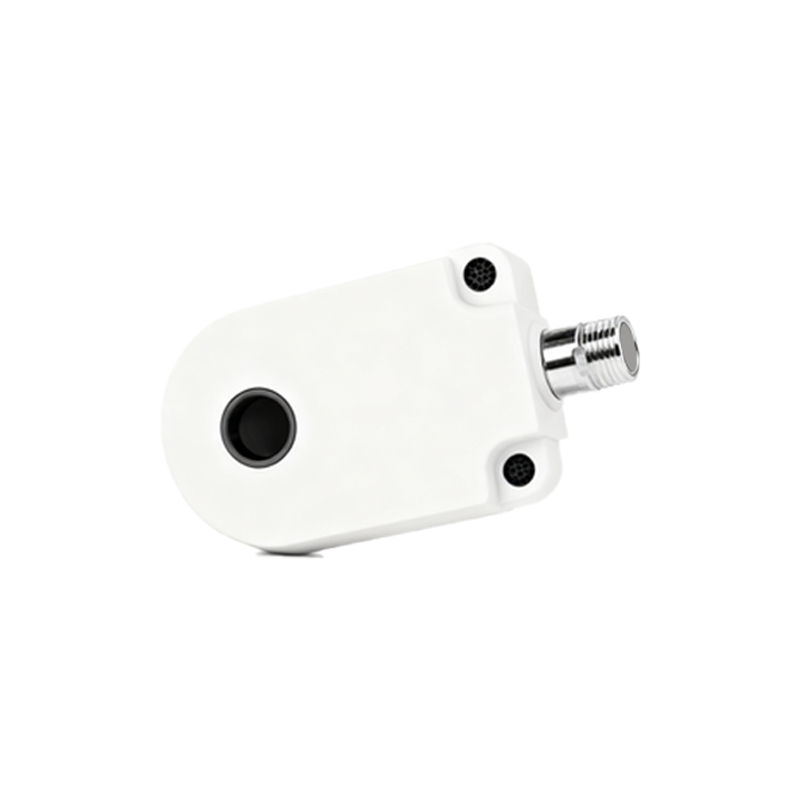
When selecting proximity sensors, engineers must consider factors like sensing range, output type (e.g., NPN or PNP), and environmental ratings. A sensor with an IP67 rating, for instance, is suitable for wet conditions, while high-temperature models withstand extreme heat. Regular calibration and maintenance are also vital to sustain performance, as sensor drift or contamination can lead to false triggers and operational inefficiencies.
Looking ahead, the future of proximity sensor supply is poised for innovation. The integration of IoT and AI technologies is enabling smarter sensors with self-diagnostic capabilities, reducing manual intervention and enhancing system autonomy. As industries embrace Industry 4.0, the demand for advanced sensors will grow, driving suppliers to develop more compact, energy-efficient, and interconnected solutions. For engineers, staying updated with these developments is key to leveraging proximity sensors for optimized industrial automation.
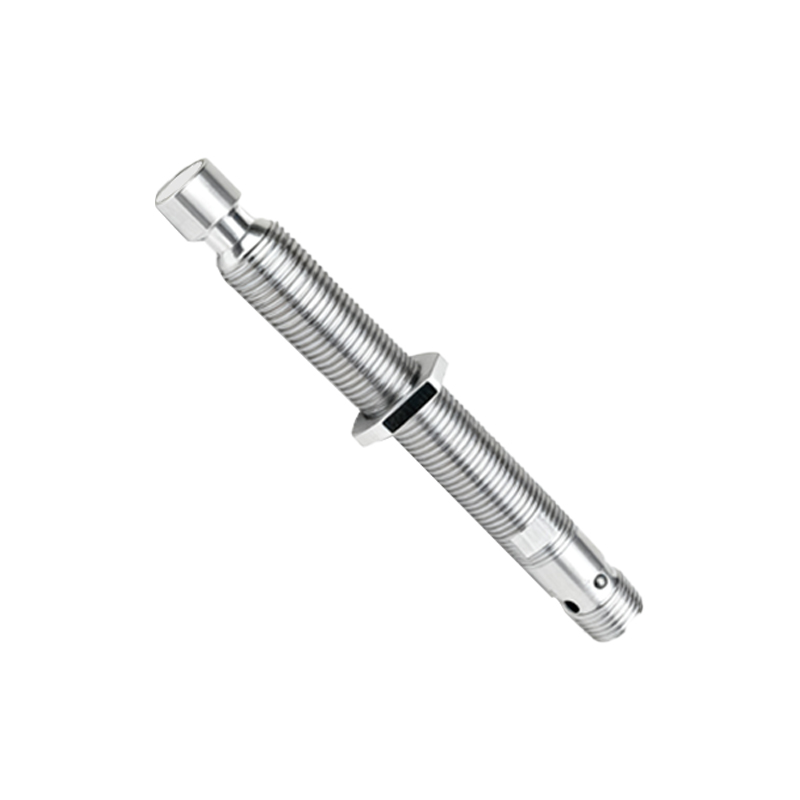
In summary, proximity sensors are vital tools that bridge mechanical processes and electronic control systems. Their reliable supply and strategic application empower industries to achieve higher efficiency, safety, and innovation. By understanding the nuances of sensor types, market dynamics, and emerging trends, professionals can make informed decisions that propel industrial operations forward.