In modern industrial automation, laser sensors have become indispensable tools for precision measurement, object detection, and quality control. Their ability to provide non-contact, high-speed, and accurate data makes them vital across manufacturing, robotics, and logistics. However, to ensure consistent performance and longevity, regular inspection and maintenance of laser sensors are crucial. This guide outlines key procedures and best practices for effective laser sensor inspection.
First, understanding the basic working principle is essential. Most industrial laser sensors operate by emitting a laser beam toward a target and analyzing the reflected light. Variations in time-of-flight, triangulation, or contrast are used to determine distance, presence, or profile. Any compromise in the emission or reception pathway can lead to measurement errors. Therefore, inspection begins with a visual examination. Check the sensor housing for physical damage, cracks, or signs of impact. Ensure that mounting brackets are secure and properly aligned, as vibration or misalignment can affect accuracy.
The lens or optical window is a critical component. Contamination such as dust, oil, or debris can scatter or attenuate the laser beam, reducing signal strength. Regularly clean the lens using appropriate methods—typically with a soft, lint-free cloth and a suitable optical cleaner. Avoid abrasive materials that could scratch the surface. For sensors in harsh environments (e.g., welding, machining), consider protective covers or air purge systems to minimize contamination.
Next, verify the electrical connections. Loose or corroded connectors can cause intermittent faults or power failures. Inspect cables for wear, cuts, or pinch points, especially in dynamic applications like robotic arms. Ensure that the power supply voltage matches the sensor specifications, as fluctuations can lead to unstable operation. Use a multimeter to check voltage levels at the sensor terminals if anomalies are suspected.
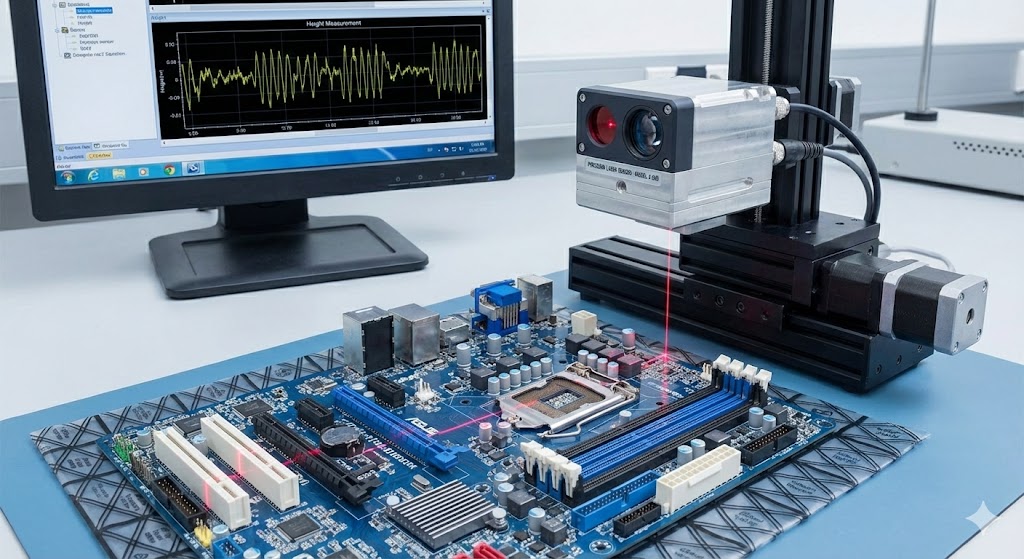
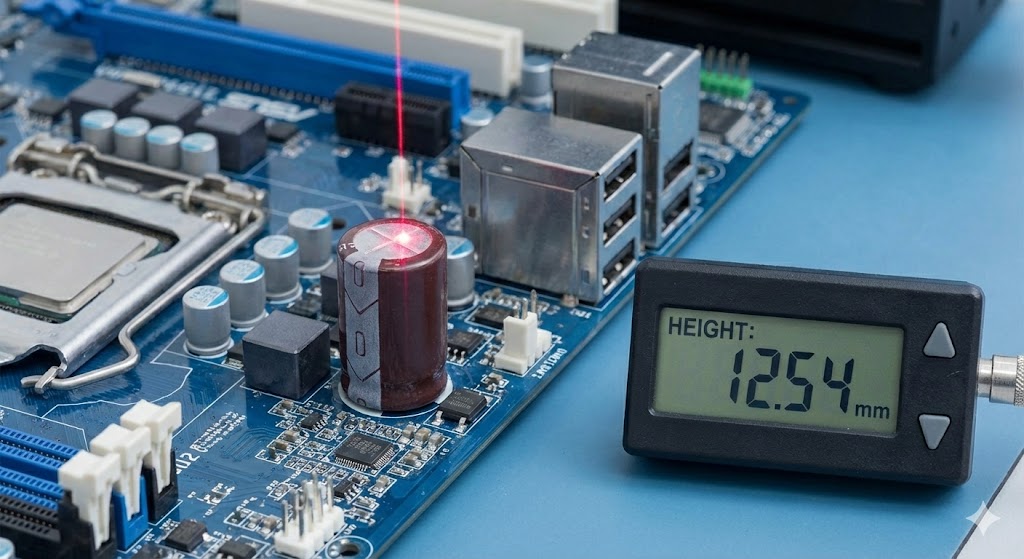
Functional testing is a core part of inspection. Perform calibration checks using known reference targets. For distance-measuring sensors, measure objects at various distances within the sensor’s range and compare readings against a traceable standard (e.g., calibrated gauge blocks). For presence detection sensors, test with objects of different reflectivities and sizes to ensure consistent triggering. Many modern laser sensors come with diagnostic features via software interfaces—utilize these to monitor parameters like signal strength, temperature, and error logs.
Environmental factors significantly impact laser sensor performance. Temperature extremes can affect electronic components and optical alignment. Ensure sensors are operated within their specified temperature range. In high-temperature settings, additional cooling or heat shields may be necessary. Humidity and condensation can also interfere, particularly for sensors with exposed optics; selecting models with appropriate ingress protection (IP) ratings is advisable.
Interference from ambient light or other laser sources can cause false readings. During inspection, assess the installation environment for potential optical interference. Shielding the sensor or using filters (e.g., polarized lenses) can mitigate this. Additionally, for sensors in networked systems, check communication protocols (e.g., IO-Link, Ethernet/IP) for data integrity and latency issues.
Preventive maintenance schedules should be established based on operational intensity and environmental conditions. Document all inspection findings, including cleaning dates, calibration results, and any adjustments made. This history aids in troubleshooting and predicting sensor lifespan.
In summary, systematic inspection of laser sensors involves visual checks, optical cleaning, electrical verification, functional testing, and environmental assessment. Adhering to these practices minimizes downtime, maintains measurement precision, and extends sensor service life, thereby supporting efficient and reliable industrial operations.