In industrial environments, ensuring the reliable operation of cooling fans is critical for maintaining equipment performance and preventing overheating. Proximity sensors have become a cornerstone technology for monitoring fan rotation, offering non-contact detection that enhances system durability and safety. These sensors operate by generating an electromagnetic field or beam, which is disrupted by the rotating fan blades. This disruption is converted into an electrical signal, allowing for real-time monitoring of rotational speed and detection of potential failures such as stalling or irregular motion.
There are several types of proximity sensors commonly used for fan rotation detection, including inductive, capacitive, and photoelectric sensors. Inductive sensors are ideal for metallic fan blades, as they detect changes in magnetic fields caused by conductive materials. Capacitive sensors can detect both metallic and non-metallic blades by measuring changes in capacitance. Photoelectric sensors, utilizing infrared or laser beams, offer high precision and are suitable for various blade materials, though they may require regular cleaning in dusty environments.
The selection of an appropriate sensor depends on factors such as fan material, rotational speed, environmental conditions, and required accuracy. For instance, in high-vibration settings, sensors with robust housing and high immunity to electromagnetic interference are preferred. Installation considerations include positioning the sensor at an optimal distance from the fan blades to ensure consistent detection without physical contact. Proper alignment is crucial to avoid false signals caused by external objects or vibrations.
Integration with control systems is another key aspect. Proximity sensors can be connected to programmable logic controllers (PLCs) or microcontrollers, enabling automated responses to detected anomalies. For example, if a fan stops rotating, the system can trigger an alarm, activate a backup fan, or shut down equipment to prevent damage. Advanced sensors may also provide diagnostic data, such as trend analysis of rotational speed, aiding in predictive maintenance and reducing downtime.
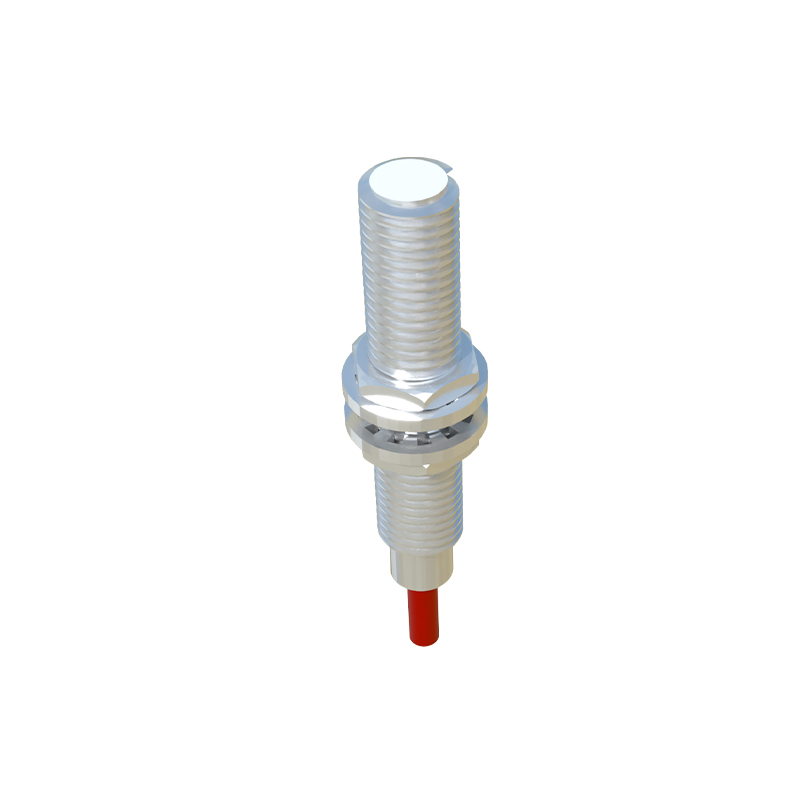
In practice, proximity sensors for fan rotation detection are widely used in HVAC systems, data centers, manufacturing machinery, and automotive cooling systems. Their ability to operate in harsh conditions—such as extreme temperatures, humidity, or corrosive atmospheres—makes them versatile for diverse applications. Regular calibration and maintenance are essential to ensure long-term reliability, including checking for sensor drift, contamination, or wiring issues.

Emerging trends in this field include the development of smart sensors with IoT capabilities, allowing remote monitoring and data logging. These innovations support Industry 4.0 initiatives by enabling real-time analytics and integration with digital twins. As technology advances, proximity sensors are expected to become more compact, energy-efficient, and capable of higher sampling rates, further improving fan monitoring accuracy and system resilience.
Overall, proximity sensors provide a reliable and efficient solution for fan rotation detection, contributing to enhanced operational safety and equipment longevity in industrial settings. By leveraging appropriate sensor technologies and best practices, engineers can optimize fan performance and mitigate risks associated with cooling system failures.