In the realm of industrial automation, proximity switch sensors stand as critical components for detecting the presence or absence of objects without physical contact. Among the leading innovators in this field, Pulsar has established a reputation for delivering high-performance sensors that enhance operational efficiency and safety. This article delves into the technology, applications, and advantages of Pulsar proximity switch sensors, tailored for electrical engineers and industry professionals.
Proximity sensors operate on various principles, including inductive, capacitive, and magnetic sensing. Pulsar specializes in inductive proximity switches, which are ideal for detecting metallic objects. These sensors generate an electromagnetic field, and when a metal target enters this field, it induces eddy currents that alter the sensor's oscillation. This change triggers a switch signal, enabling precise detection in harsh industrial environments. Key features of Pulsar sensors include robust housing materials like stainless steel or nickel-plated brass, ensuring durability against dust, moisture, and mechanical stress. With operating temperatures ranging from -25°C to 70°C, they perform reliably in diverse settings, from manufacturing plants to outdoor installations.
One of the standout aspects of Pulsar proximity switches is their versatility. They are commonly used in automation systems for position sensing, object counting, and speed monitoring. For instance, in conveyor belt systems, these sensors detect items passing through, facilitating inventory management and process control. In automotive assembly lines, they ensure precise placement of components, reducing errors and downtime. Additionally, Pulsar offers models with short-circuit and overload protection, aligning with international safety standards such as IEC 60947-5-2. This makes them suitable for high-risk applications where electrical faults could lead to equipment damage or hazards.
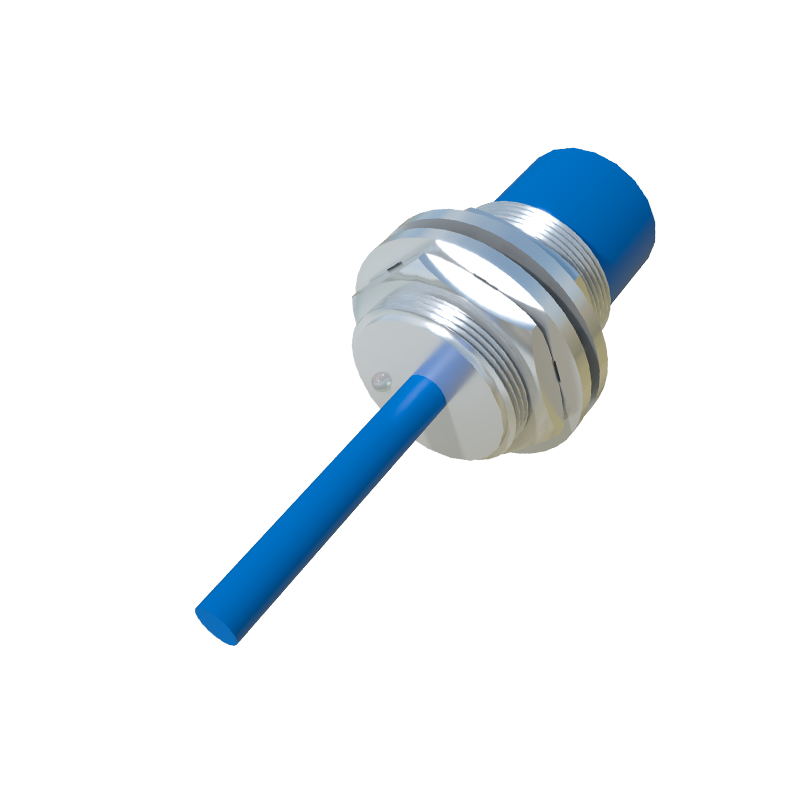
The design of Pulsar sensors emphasizes ease of integration and maintenance. Many models feature LED indicators for status monitoring, allowing quick diagnostics without disrupting operations. Their compact size enables installation in tight spaces, while adjustable sensing distances—often up to 15 mm for standard inductive types—provide flexibility for various tasks. Engineers appreciate the plug-and-play compatibility with PLCs (Programmable Logic Controllers) and other control systems, which streamlines setup and reduces commissioning time. Furthermore, Pulsar incorporates advanced shielding techniques to minimize electromagnetic interference, ensuring stable performance even in electrically noisy environments.
From an energy efficiency perspective, Pulsar proximity switches contribute to sustainable operations. Low power consumption models help reduce overall energy costs, while their long service life—often exceeding 10 million switching cycles—minimizes waste and replacement frequency. This reliability translates to lower total cost of ownership, a key consideration for industrial projects. Case studies from sectors like packaging, material handling, and robotics highlight how Pulsar sensors optimize workflows by enabling faster response times and reducing manual interventions. For example, in a bottling plant, these sensors ensure accurate filling levels by detecting bottle positions, enhancing throughput and quality control.
Looking ahead, Pulsar continues to innovate with smart sensor technologies. Recent developments include IO-Link compatibility, which allows for digital communication and remote configuration. This enables predictive maintenance by monitoring sensor health in real-time, alerting operators to potential issues before failures occur. Such advancements align with Industry 4.0 trends, where data-driven automation is paramount. Engineers seeking to upgrade their systems can rely on Pulsar for sensors that combine traditional robustness with modern connectivity.
In conclusion, Pulsar proximity switch sensors represent a blend of precision, durability, and adaptability essential for today's industrial landscapes. By understanding their technical specifications and applications, electrical professionals can leverage these tools to build more efficient and safer automation solutions. Whether for simple detection tasks or complex integrated systems, Pulsar offers a reliable choice that meets the evolving demands of global industries.