In the realm of industrial accounting and asset management, the classification of proximity sensors—a critical component in automation and control systems—often raises questions among financial professionals and engineers alike. Proximity sensors, which detect the presence or absence of objects without physical contact, are widely used in manufacturing, robotics, and safety applications. From an accounting perspective, these devices are typically capitalized as fixed assets or included in inventory, depending on their usage and cost.
When a proximity sensor is purchased for long-term use in production machinery, it is generally recorded under "Property, Plant, and Equipment (PPE)" on the balance sheet. This aligns with International Financial Reporting Standards (IFRS) and Generally Accepted Accounting Principles (GAAP), which require items with a useful life exceeding one year and significant value to be capitalized. The sensor's cost includes not only the purchase price but also installation, calibration, and any necessary integration expenses. Over time, depreciation is applied based on the sensor's estimated useful life—often ranging from 5 to 10 years—using methods such as straight-line or reducing balance, reflecting its consumption in operations.
For sensors acquired as spare parts or for resale, they are classified as "Inventory" under current assets. This applies to distributors or maintenance departments holding sensors for future replacement. The cost is expensed only when the sensor is sold or used, following the matching principle in accounting. Additionally, if sensors are part of a larger system upgrade, their costs may be bundled into the overall project expenditure, capitalized, and amortized accordingly.
Tax implications also play a role. In some jurisdictions, proximity sensors may qualify for accelerated depreciation or tax incentives under categories like "Energy-Efficient Equipment" if they contribute to reducing waste or improving efficiency. Proper documentation, including invoices, serial numbers, and maintenance records, is essential for compliance and audit trails.
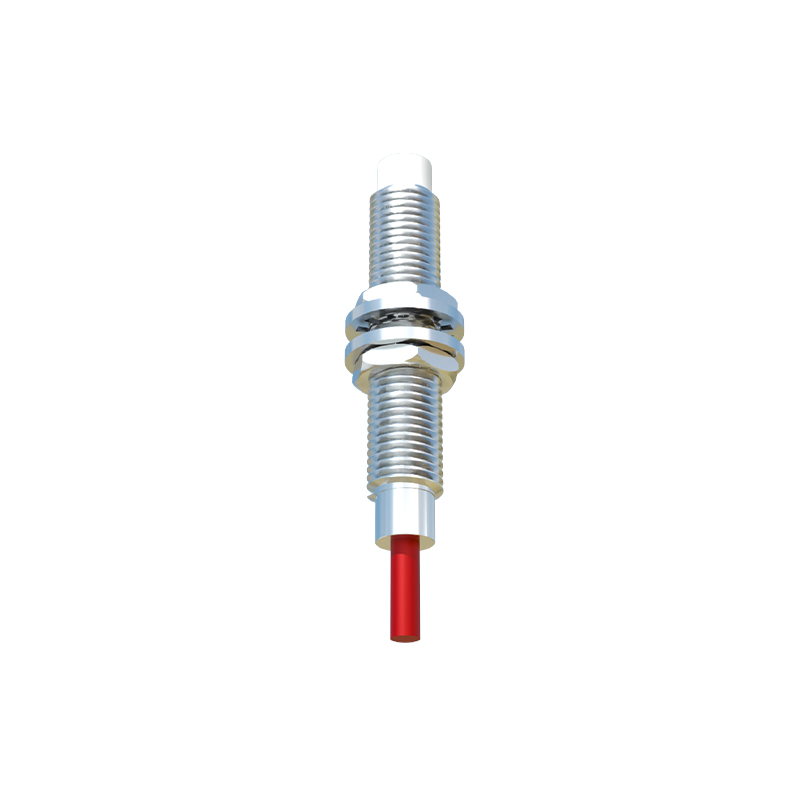
From a practical standpoint, engineers should collaborate with accountants to ensure accurate classification. Misclassifying sensors as expenses instead of assets can distort financial statements, affecting profitability ratios and tax liabilities. Conversely, over-capitalization may lead to inflated asset values. Regular reviews of sensor utilization and lifecycle assessments help align accounting practices with operational realities, supporting informed decision-making for budgeting and procurement.
In summary, proximity sensors are integral to modern industry, and their accounting treatment hinges on purpose, cost, and lifespan. By adhering to standard frameworks and fostering cross-departmental communication, businesses can optimize both financial reporting and technological investments.