Proximity sensors have evolved from basic inductive and capacitive devices into sophisticated components integral to modern industrial systems. The current trajectory of proximity sensor development is shaped by several key technological and market-driven trends that redefine their role in automation, safety, and data acquisition.
A dominant trend is the push towards miniaturization and enhanced integration. Modern manufacturing, especially in electronics and micro-mechanics, demands sensors with smaller form factors without compromising detection range or reliability. Manufacturers are achieving this through advanced semiconductor packaging and novel material use. Concurrently, sensor integration is moving beyond simple switching. Today's proximity sensors often incorporate onboard diagnostics, IO-Link communication, and condition monitoring capabilities directly into the housing. This transforms them from mere presence detectors into intelligent data points within the Industrial Internet of Things (IIoT) ecosystem. IO-Link, in particular, has become a standard feature, enabling bidirectional digital communication for parameter setting, process data transmission, and detailed device status reporting, greatly simplifying commissioning and maintenance.
The demand for higher precision and robustness in challenging environments continues to drive material and design innovation. For inductive sensors, this means improved immunity to electromagnetic interference (EMI) and the ability to detect all metals, including challenging stainless steels, at consistent ranges. Capacitive sensors are seeing advancements in coating-penetration capabilities and stability against humidity and temperature fluctuations. Furthermore, the development of robust laser-based and ultrasonic proximity sensors offers solutions for applications requiring longer ranges or the detection of transparent or complex-shaped objects where traditional technologies falter.
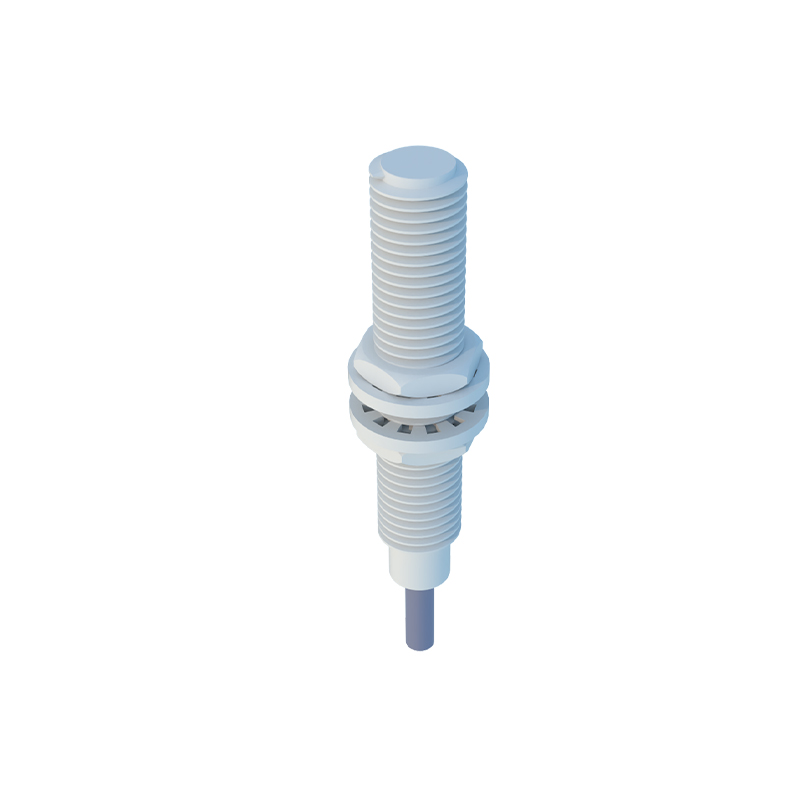
Connectivity and smart functionality represent perhaps the most significant shift. The concept of the "smart sensor" is now a reality. Proximity sensors with embedded intelligence can perform self-monitoring, predict potential failures by analyzing performance drift, and communicate this data to control systems via industrial Ethernet protocols like PROFINET, EtherNet/IP, or Modbus TCP. This facilitates predictive maintenance strategies, reducing unplanned downtime. The data generated by networks of these sensors contribute to digital twin models, providing a real-time, granular view of machine operations.
Finally, application-specific sensor design is becoming more prevalent. Instead of generic devices, we see sensors engineered for extreme temperatures (cryogenic or high-heat foundry applications), high-pressure washdowns in food and beverage, or aggressive chemical environments in pharmaceutical production. This specialization ensures optimal performance and longevity, though it requires closer collaboration between sensor manufacturers and end-users during the specification phase.
In conclusion, the future of proximity sensors lies in their transformation into intelligent, connected, and highly specialized components. The convergence of miniaturization, advanced materials, digital communication, and data analytics is elevating their function from basic detection to being critical enablers of Industry 4.0's flexible, efficient, and data-driven manufacturing paradigms. Engineers must consider not just the sensing principle and range, but the sensor's communication protocol, data capabilities, and suitability for the specific industrial ecosystem when selecting components for next-generation systems.