In the demanding world of industrial automation and process control, the reliability of sensing technology is paramount. Among the most critical components are proximity sensors, which detect the presence or absence of objects without physical contact. However, in environments plagued by moisture, chemicals, salt spray, or extreme pH levels, standard sensors can fail catastrophically. This is where corrosion-resistant proximity sensors become not just an option, but an absolute necessity. These specialized devices are engineered to withstand aggressive conditions that would rapidly degrade ordinary sensors, ensuring continuous operation, safety, and data integrity.
The core challenge in harsh environments is the electrochemical degradation of sensor materials. Standard housing materials like nickel-plated brass or certain plastics can succumb to pitting, cracking, or general material loss when exposed to corrosive agents. This compromises the sensor's seal integrity, leading to ingress of fluids that damage internal electronics and cause premature failure. Corrosion-resistant proximity sensors address this through a multi-faceted design philosophy. The first line of defense is the housing material. Sensors designed for severe duty often utilize high-grade stainless steel, such as 316L or 304, which offers excellent resistance to a wide range of chemicals and oxidizing environments. For even more aggressive applications, such as those in chemical processing or offshore platforms, housings may be crafted from specialized plastics like PVDF (Polyvinylidene fluoride) or PPS (Polyphenylene sulfide), which exhibit outstanding resistance to acids, bases, and solvents.
Beyond the housing, every external component is scrutinized. The sensing face, a critical point of potential weakness, is typically made from materials like PTFE (Teflon) or specific ceramics that are inert to most corrosive substances. These materials ensure that the sensing field—whether inductive, capacitive, or ultrasonic—can penetrate the protective layer without attenuation while shielding the internal coil or circuitry. The sealing system is equally vital. High-quality sensors employ multiple sealing barriers, often combining radial shaft seals with bonded glass-to-metal seals for cable entries. These seals are designed to resist not just moisture but also chemical vapors and particulate matter, maintaining an IP68 or IP69K rating even after prolonged exposure.
The internal electronics are also protected through conformal coatings. These thin polymeric films are applied to circuit boards, providing a barrier against moisture and ionic contaminants that might penetrate the primary seal. For inductive sensors, the coil winding is often vacuum-encapsulated in epoxy resin, which locks out environmental threats and provides exceptional mechanical stability against vibration—a common companion to corrosive settings.
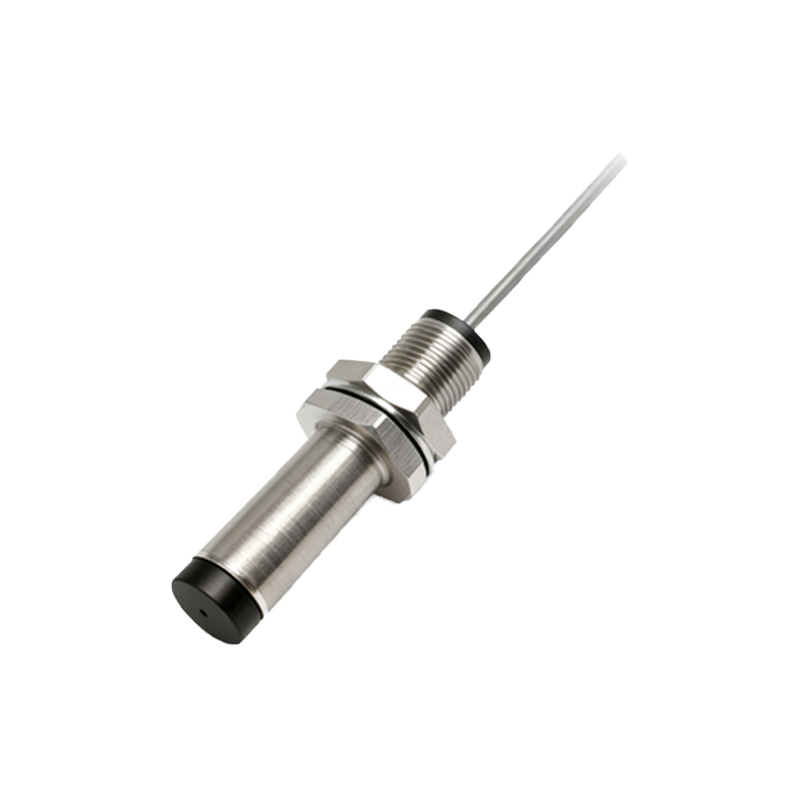
Selecting the right corrosion-resistant sensor requires a thorough analysis of the application. Key considerations include the specific corrosive agents present (e.g., chlorine, sulfuric acid, saltwater), their concentration, temperature, and the presence of mechanical stressors like high-pressure washdowns. An inductive sensor with a 316L stainless steel housing might be ideal for a food processing plant using caustic cleaners, while a capacitive sensor with a PVDF housing could be the only solution for detecting liquid levels in a hydrochloric acid tank. It is crucial to consult material compatibility charts provided by manufacturers to match the sensor's construction materials with the exact chemicals in the environment.
The benefits of deploying these robust sensors extend far beyond mere longevity. They drastically reduce unplanned downtime and maintenance costs associated with frequent sensor replacement. In industries like pulp and paper, marine, wastewater treatment, and pharmaceutical manufacturing, sensor failure can halt entire production lines or lead to safety incidents. Corrosion-resistant sensors enhance overall system reliability, contributing to consistent product quality and operational efficiency. Furthermore, their use aligns with predictive maintenance strategies, as their extended service life allows for scheduled, rather than emergency, interventions.
In conclusion, corrosion-resistant proximity sensors represent a sophisticated fusion of materials science and electronic engineering. They are indispensable in safeguarding automation investments in the world's most punishing industrial landscapes. By specifying sensors with the appropriate housing material, sealing technology, and internal protection, engineers can build control systems that are not only intelligent but also inherently durable. As industries push into more extreme environments and demand higher standards of hygiene and safety, the innovation and adoption of these resilient sensing solutions will continue to accelerate, forming the resilient sensory backbone of modern industry.