In the rapidly evolving landscape of industrial automation, metal detection laser sensors have emerged as a pivotal technology, driving unprecedented levels of precision, efficiency, and safety. These sophisticated devices utilize laser beams to detect the presence, position, and characteristics of metallic objects without physical contact, making them indispensable in a wide array of applications, from manufacturing and packaging to automotive and aerospace industries.
The core principle behind metal detection laser sensors lies in their ability to emit a focused laser beam towards a target area. When the beam encounters a metallic surface, it is reflected back to the sensor's receiver. By analyzing the properties of the reflected light—such as intensity, phase shift, or time-of-flight—the sensor can accurately determine the object's presence, distance, size, and even surface quality. This non-contact method eliminates wear and tear associated with mechanical sensors, ensuring long-term reliability and reducing maintenance costs.
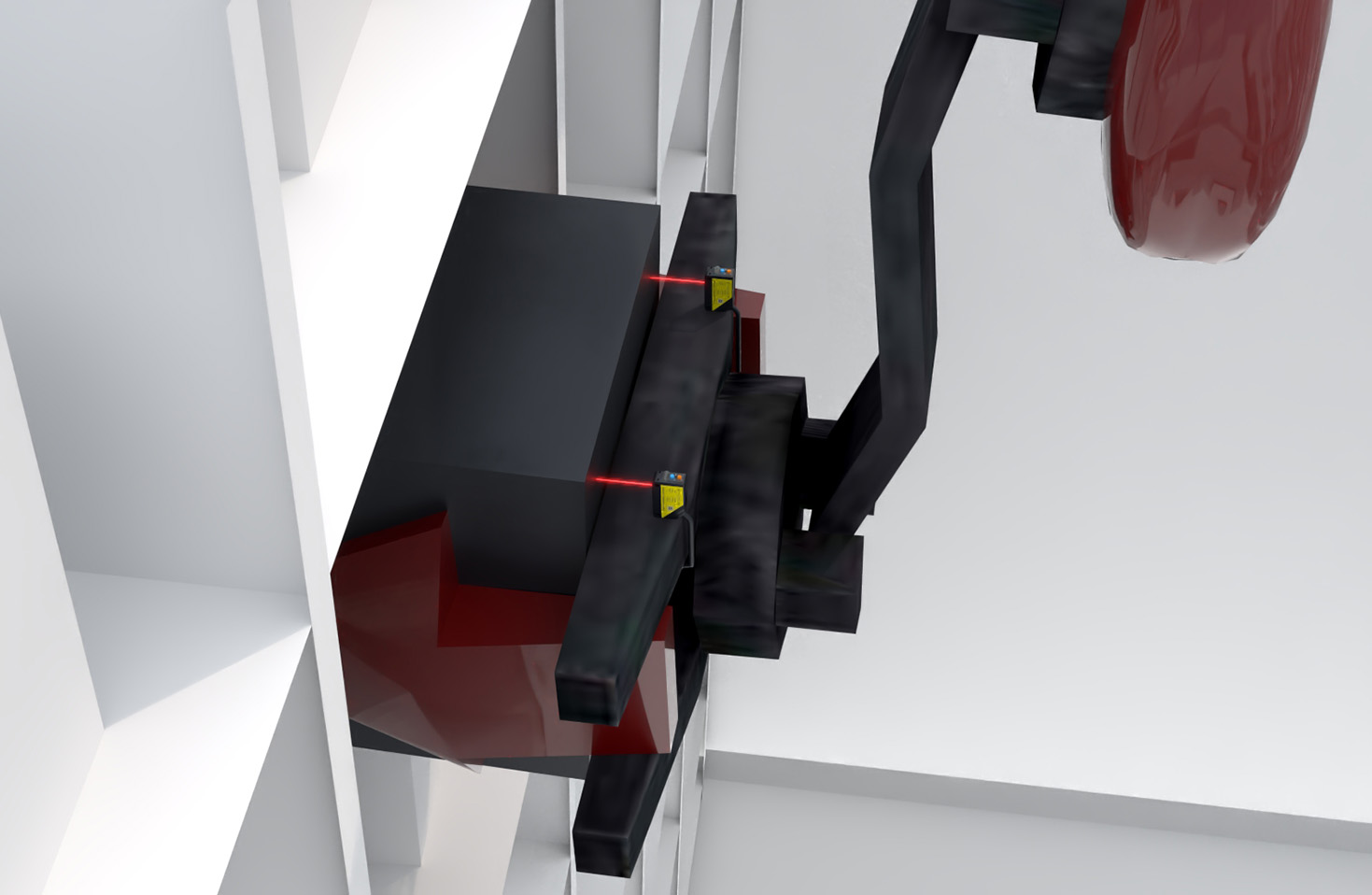
One of the most significant advantages of metal detection laser sensors is their high precision and resolution. Capable of detecting minute metallic particles or components as small as a few micrometers, these sensors are crucial in quality control processes. For instance, in the food processing industry, they are employed to identify metal contaminants in products, thereby preventing contamination and ensuring compliance with stringent safety standards. Similarly, in automotive assembly lines, laser sensors verify the correct placement of metal parts, such as bolts and screws, minimizing errors and enhancing product integrity.
Moreover, the adaptability of metal detection laser sensors to harsh industrial environments sets them apart. Designed to withstand extreme temperatures, dust, vibration, and electromagnetic interference, they deliver consistent performance in challenging conditions. Advanced models feature robust housings and sealed optics, making them suitable for use in foundries, welding facilities, and outdoor applications where traditional sensors might fail.
Integration with modern industrial systems is another key strength. Metal detection laser sensors often come equipped with digital interfaces, such as IO-Link, Ethernet/IP, or PROFINET, enabling seamless communication with programmable logic controllers (PLCs) and supervisory control and data acquisition (SCADA) systems. This connectivity allows for real-time monitoring, data logging, and automated adjustments, facilitating predictive maintenance and optimizing production workflows. For example, in a smart factory setting, these sensors can trigger alerts when metal debris is detected on conveyor belts, prompting immediate corrective actions to prevent machinery damage or downtime.
The evolution of laser technology has further expanded the capabilities of these sensors. Innovations like blue laser diodes offer improved visibility and detection accuracy on reflective metallic surfaces, which were previously challenging for traditional red lasers. Additionally, the integration of artificial intelligence and machine learning algorithms enables sensors to distinguish between different metal types or alloys based on their reflective signatures, adding a layer of intelligence to inspection tasks.
Despite their numerous benefits, selecting the right metal detection laser sensor requires careful consideration of factors such as detection range, response time, environmental conditions, and target material properties. Engineers must assess application-specific needs to choose sensors with appropriate wavelengths, beam shapes, and output signals. Regular calibration and alignment are also essential to maintain optimal performance, as misalignment can lead to false readings or missed detections.
In conclusion, metal detection laser sensors represent a transformative force in industrial automation, offering unmatched accuracy, durability, and integration potential. As industries continue to embrace Industry 4.0 and the Internet of Things (IoT), the demand for these advanced sensing solutions is poised to grow. By leveraging their capabilities, businesses can achieve higher productivity, improved safety, and reduced operational costs, ultimately driving innovation and competitiveness in the global market. The future will likely see further miniaturization, enhanced connectivity, and smarter analytics, solidifying the role of laser sensors as a cornerstone of modern industrial ecosystems.