In the industrial automation landscape, proximity sensors serve as the unsung heroes, enabling non-contact detection of metallic and non-metallic objects with precision and reliability. As an electrical engineer with over two decades of experience in procurement and system integration, I’ve witnessed firsthand how the supply chain for these critical components can make or break a project’s timeline and performance. This article delves into the essential factors to consider when sourcing proximity sensors, ensuring you secure not just a product, but a solution that aligns with your operational demands.
The foundation of a successful procurement strategy begins with a clear understanding of sensor specifications. Proximity sensors are broadly categorized into inductive, capacitive, ultrasonic, and photoelectric types, each suited to distinct applications. Inductive sensors, for instance, excel in detecting ferrous metals within short ranges and are staples in machine tooling and automotive assembly lines. Capacitive variants can sense materials like plastics or liquids, making them ideal for packaging or level detection systems. Misalignment between sensor type and application is a common pitfall, leading to false triggers, downtime, and costly replacements. Always cross-reference environmental conditions—such as temperature extremes, humidity, or exposure to chemicals—with the sensor’s ingress protection (IP) rating and operational tolerances.
Beyond technical specs, the supplier’s reliability and support network are paramount. The global electronics market has faced volatility in recent years, with shortages in semiconductors and raw materials impacting lead times. Partnering with established suppliers who maintain robust inventory buffers or offer local warehousing can mitigate disruption risks. Evaluate their technical support capabilities: Can they provide detailed datasheets, application notes, or on-site assistance? A supplier’s willingness to collaborate on custom solutions—like modifying sensing ranges or output configurations—often indicates a commitment to long-term partnerships rather than transactional sales.
Cost considerations must extend beyond the unit price. Total cost of ownership (TCO) encompasses installation, maintenance, and lifecycle expenses. For example, a sensor with a higher initial cost but featuring self-diagnostic LEDs or ruggedized housing may reduce troubleshooting time and replacement frequency, yielding savings over years of operation. Additionally, verify compliance with international standards (e.g., IEC 60947 for industrial controls or ATEX for hazardous environments), as non-compliance can result in safety failures or regulatory penalties.
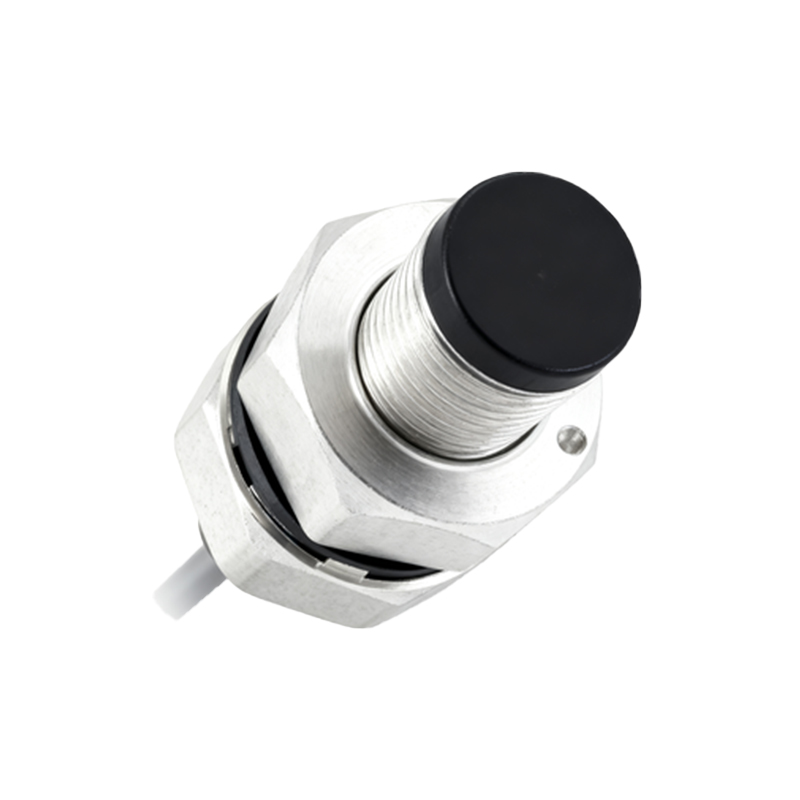
In today’s interconnected industries, digital readiness is becoming a decisive factor. Many modern proximity sensors integrate IO-Link communication, enabling real-time data exchange on parameters like temperature drift or wear levels. This facilitates predictive maintenance, minimizing unplanned stoppages. When sourcing, inquire about the supplier’s roadmap for smart sensor technologies and compatibility with your existing Industrial IoT infrastructure.
Finally, audit the supply chain’s resilience. Diversify sources where possible, but prioritize quality consistency. A batch of sensors with inconsistent sensing distances can cascade into production errors. Request samples for rigorous testing under simulated operational conditions before bulk ordering. Document performance metrics and share feedback with suppliers to foster continuous improvement.
Procuring proximity sensors is not merely a purchasing task—it’s an engineering decision that influences system efficiency, safety, and scalability. By balancing technical rigor with strategic supplier relationships, you can build a supply chain that supports both current projects and future innovations.